
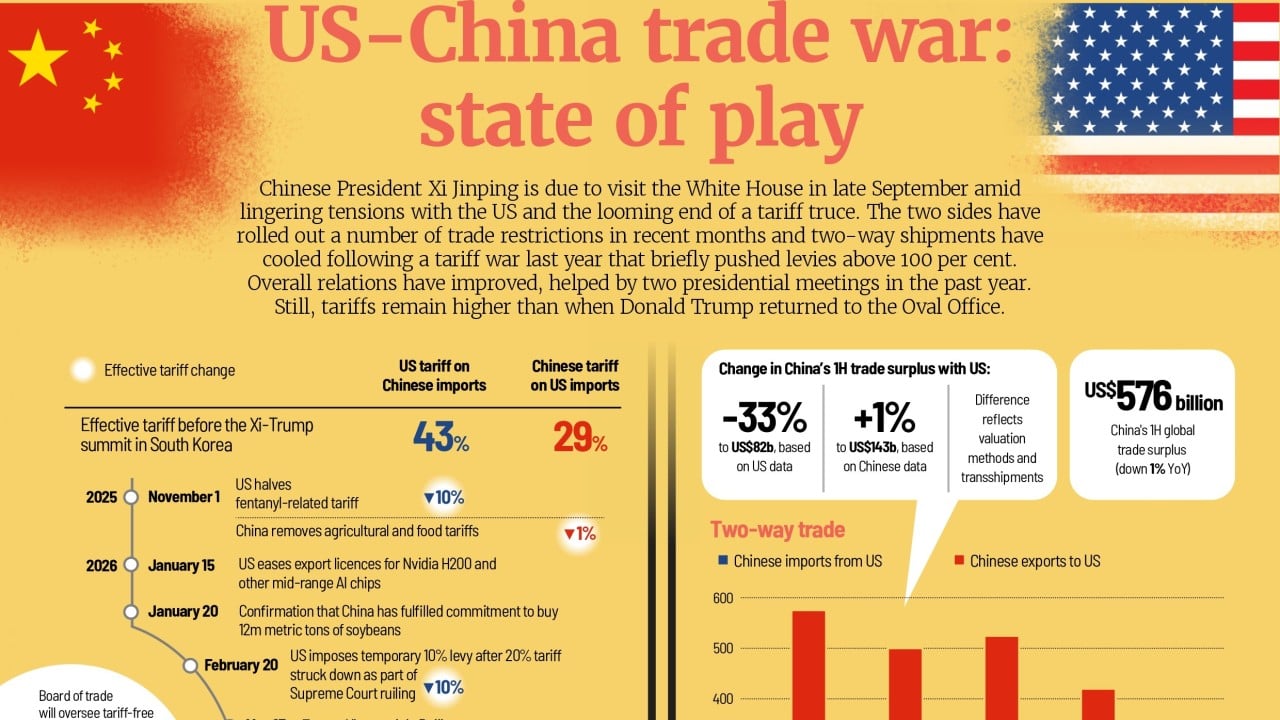
Projecting US-China Trade and Tariff Dynamics for 2026
As the 2026 trade landscape approaches, analysts are evaluating the potential for continued tariff escalations and shifting supply chain strategies between the US and China. The outlook remains uncertain, contingent on evolving geopolitical policies and domestic economic pressures in both nations.
Market Narrative Detected
The media is pushing a narrative of 'inevitable decoupling,' which benefits defense contractors and domestic manufacturing lobbyists who gain from protectionist policies. Investors are being nudged toward a 'resilience' strategy, which often justifies higher prices for goods and services.
The trajectory of US-China trade relations heading into 2026 is currently defined by a climate of strategic competition and protectionist policy. While specific legislative agendas for 2026 remain fluid, the prevailing expectation among trade observers is that tariffs will continue to serve as a primary tool for economic statecraft. The US government maintains a focus on 'de-risking' and securing critical supply chains, particularly in technology and green energy sectors, which often necessitates the imposition of trade barriers.
Conversely, China is navigating these pressures by diversifying its export markets and accelerating domestic self-sufficiency initiatives. The potential for a 'tariff war' remains a central concern for global markets, with many analysts suggesting that businesses are increasingly preparing for a long-term environment of higher costs and fragmented trade routes. While some industry groups advocate for a stabilization of trade relations to protect global growth, political rhetoric in both Washington and Beijing suggests that economic decoupling—or at least a managed separation—will remain a priority. The impact on inflation and consumer prices in the US, as well as manufacturing output in China, remains a point of significant debate among economists, with no clear consensus on whether these policies will achieve their intended national security goals or simply result in net economic losses for both parties.
📡 Media Analysis
How each outlet framed the story — angles, word choices, and what they chose to push or ignore.
Provided a regional perspective on how trade friction impacts Asian supply chains and Chinese industrial policy.
"strategic competition"
✓ Only outlet to report: Highlighted the specific impact on Chinese industrial self-sufficiency goals.
⚡ Where Sources Disagree
- ·The extent to which tariffs will successfully force manufacturing relocation versus simply increasing costs for end-consumers.
🔍 What Nobody's Reporting
- ·Lack of specific data on how US domestic inflation would be impacted by a 2026 tariff surge.
- ·Absence of perspective from third-party nations (e.g., Vietnam, Mexico) that are currently benefiting from the trade diversion.
📰 Sources
0 A-rated source(s) among 1 total. Lowest trust: SCMP (B)