
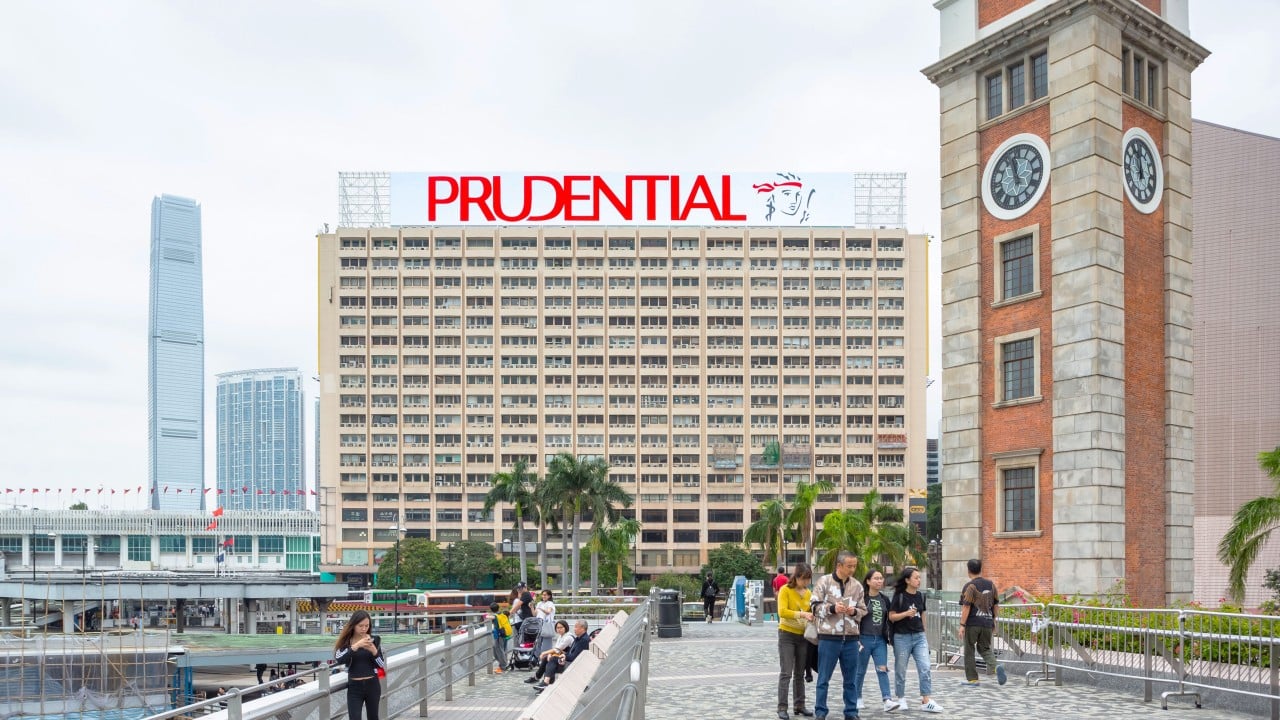
Prudential Announces $300 Million Share Buy-back Amid Slower Profit Growth
Prudential reported an 8% increase in new business profit for the first half of the year while announcing a $300 million share buy-back program. The results arrive as investors monitor potential risks regarding insurance demand from mainland Chinese visitors in Hong Kong.
Market Narrative Detected
The narrative suggests that established insurers are using capital returns to appease shareholders while growth in key Asian markets faces structural uncertainty. This benefits institutional investors who prioritize short-term stock price stability over long-term aggressive expansion.
British insurance giant Prudential has unveiled plans for a US$300 million share buy-back, scheduled for completion by the end of December. This capital return strategy was announced alongside the company's first-half financial results, which showed an 8% rise in new business profit—a critical metric used to forecast the long-term value of newly issued life insurance policies.
While the company continues to grow, the rate of profit expansion has decelerated, drawing attention from market analysts. The slowdown coincides with broader economic concerns regarding the insurance sector's reliance on mainland Chinese customers visiting Hong Kong. Analysts are currently weighing whether a potential decline in these visitor numbers could impact the performance of major insurers who view the region as a primary growth engine. The share buy-back is widely viewed as a move to bolster investor confidence and support the company's stock price in the face of these macroeconomic headwinds.
📡 Media Analysis
How each outlet framed the story — angles, word choices, and what they chose to push or ignore.
Balanced reporting that pairs the positive news of a buy-back with the reality of slowing growth and regional market risks.
"market concerns over a potential pullback"
🔍 What Nobody's Reporting
- ·The articles do not specify the exact reasons for the profit growth slowdown beyond general market concerns.
- ·There is no mention of how the $300 million buy-back compares to Prudential's total cash reserves or previous dividend commitments.
📰 Sources
0 A-rated source(s) among 1 total. Lowest trust: SCMP (B)