
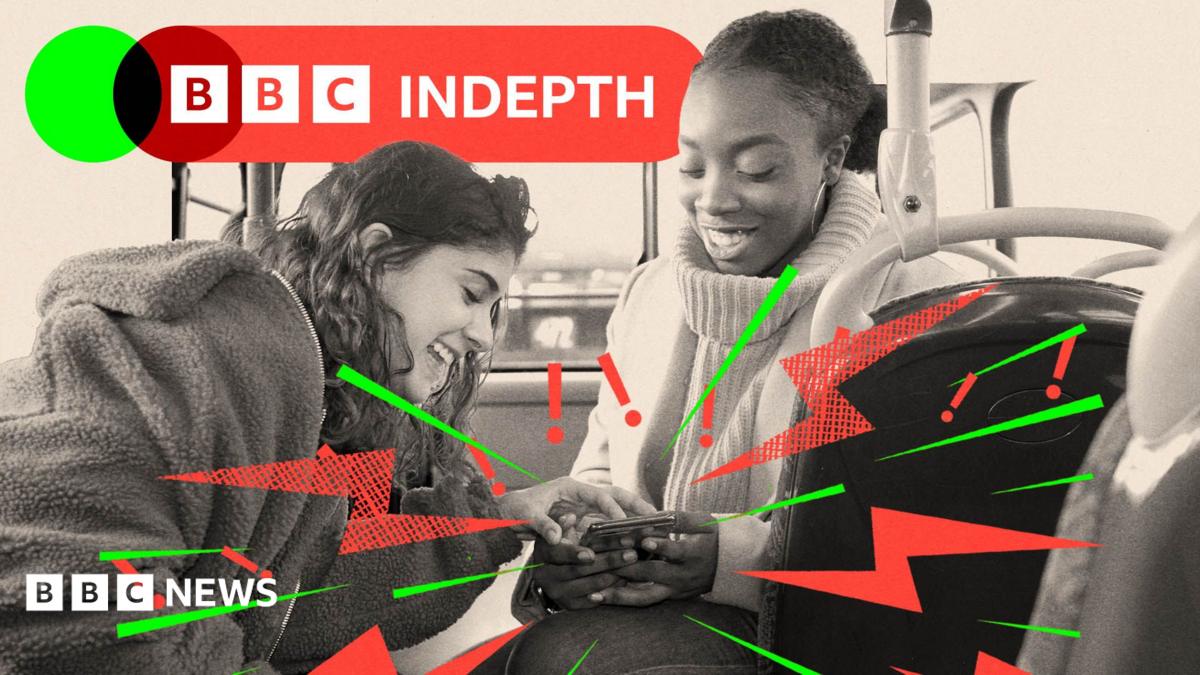
Public Phone Usage and the Normalization of Loudspeaker Audio
As public use of mobile phone loudspeakers for music and video becomes more common, social norms regarding personal audio in shared spaces are shifting. While often considered a nuisance, some analysts suggest this behavior may eventually be accepted as a standard part of modern life.
The practice of playing audio from mobile phones in public spaces via loudspeaker has long been a source of social friction. Commuters and pedestrians frequently report frustration with individuals who broadcast music, videos, or phone calls without the use of headphones. However, recent commentary suggests that this behavior is becoming increasingly prevalent, leading to a potential shift in social expectations.
BBC News reports that while the behavior is currently viewed as a significant annoyance, it may be following a trajectory toward broader social acceptance. The argument posits that as mobile technology becomes more deeply integrated into daily routines, the distinction between private and public audio spaces is blurring. What was once considered a breach of public etiquette may eventually be viewed as a mundane, albeit noisy, fact of life.
There is no consensus on whether this trend represents a permanent decline in public courtesy or simply an evolution of how people interact with technology in shared environments. While some critics argue that the rise of loudspeaker use reflects a lack of consideration for others, others suggest that the ubiquity of the practice makes it difficult to categorize as an outlier behavior. As the technology remains unchanged, the primary variable appears to be the public's tolerance level, which may be adjusting to accommodate the constant presence of digital media in public settings.
📡 Media Analysis
How each outlet framed the story — angles, word choices, and what they chose to push or ignore.
Framed the nuisance as an inevitable cultural shift rather than a decline in manners.
"might not seem so outlandish"
🔍 What Nobody's Reporting
- ·Lack of input from urban planning or public transit authorities regarding noise policy.
- ·Absence of data on whether headphone sales are actually declining or if this is a shift in user preference.
- ·No discussion of the potential for 'noise pollution' regulations in public spaces.
📰 Sources
1 A-rated source(s) among 1 total. Lowest trust: BBC News (A)