
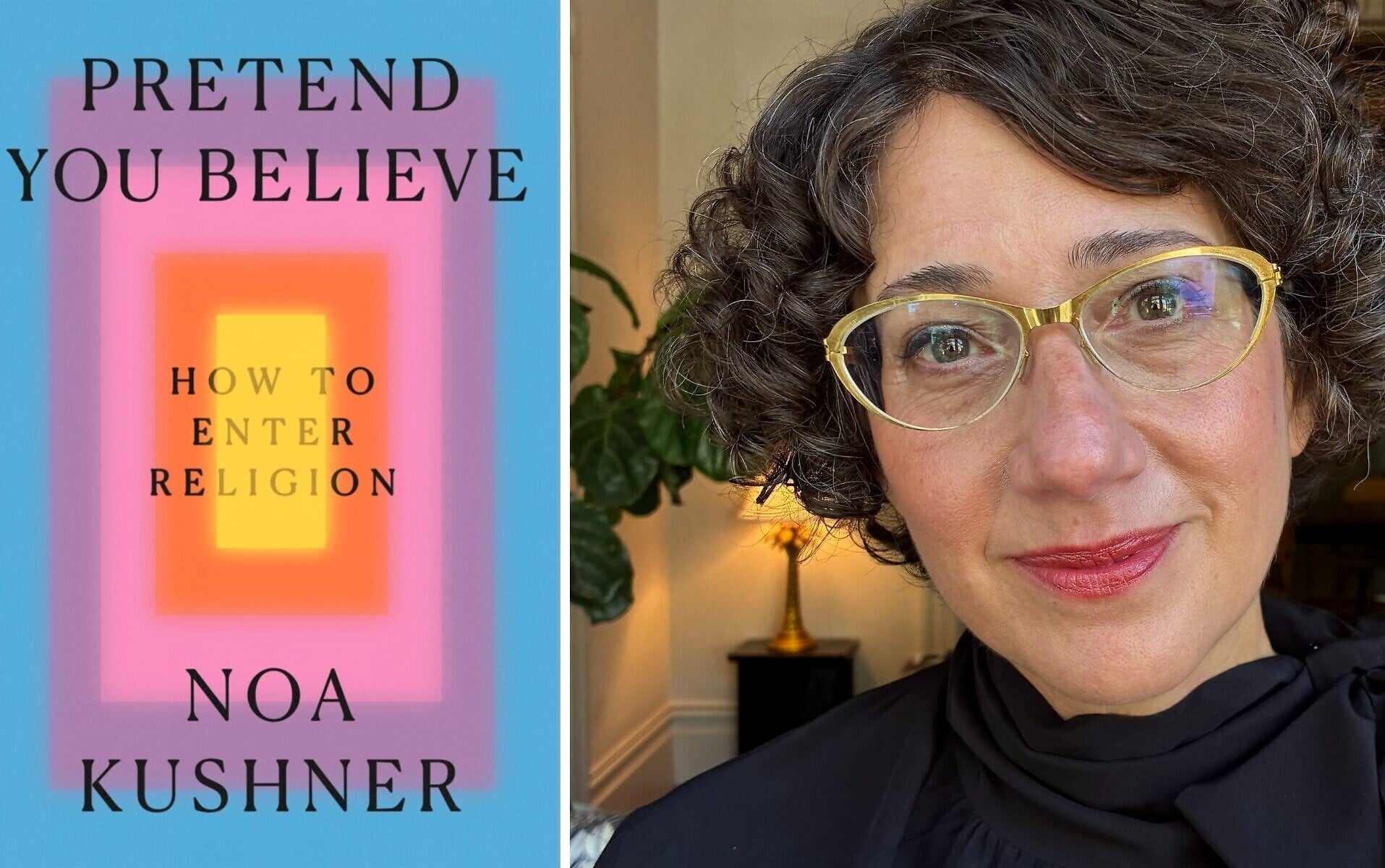
Rabbi Noa Kushner explores the role of religion in new book 'Pretend You Believe'
Rabbi Noa Kushner’s upcoming book, 'Pretend You Believe,' challenges readers to shift their perspective on Judaism. She argues that religion should be viewed as a relationship with the divine rather than a tool for personal self-improvement.
Rabbi Noa Kushner is set to release her new book, 'Pretend You Believe,' on October 13. The central thesis of the work addresses the modern tendency to approach religion through a utilitarian lens, asking what benefits or personal improvements a faith tradition can provide to the individual. Kushner argues against this consumerist approach to spirituality.
Instead, Kushner suggests that the primary purpose of religion is not to make one's life 'better' or more comfortable. She encourages readers to move beyond the question of what Judaism can do for them and to focus instead on the nature of a relationship with God. By framing faith as a commitment rather than a service, Kushner advocates for a deeper, more demanding engagement with religious tradition. The book positions itself as a critique of contemporary spiritual trends that prioritize personal satisfaction over theological depth. While the book is rooted in Jewish tradition, its message regarding the purpose of religious practice is intended to provoke broader reflection on how individuals interact with their faith.
📡 Media Analysis
How each outlet framed the story — angles, word choices, and what they chose to push or ignore.
Focused on the book's theological premise and upcoming release date.
"it’s not there to make our lives better"
🔍 What Nobody's Reporting
- ·Lack of critical review or counter-perspective on the book's arguments.
- ·No information on the specific theological traditions or texts the rabbi draws upon to support her claims.
📰 Sources
0 A-rated source(s) among 1 total. Lowest trust: Times of Israel (B)