
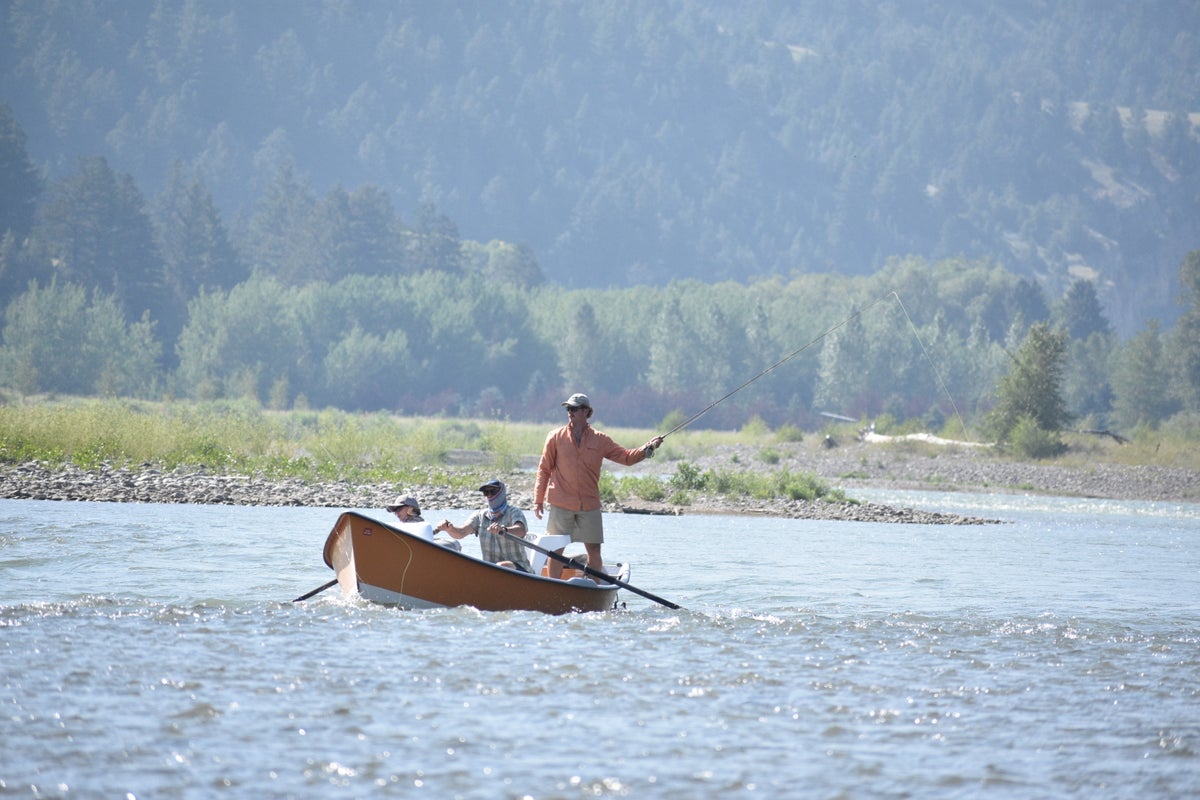
Record heat in the US West leads to frequent fishing closures
Rising water temperatures in the American West are forcing authorities to implement routine fishing closures to protect trout populations. These measures are becoming more frequent as record-breaking heat waves continue to impact river ecosystems.
Across the American West, state wildlife agencies are increasingly implementing emergency fishing closures as river temperatures reach levels that threaten the survival of cold-water fish species, particularly trout. These closures, which were once considered rare or exceptional, are becoming a routine management tool as climate patterns lead to sustained periods of record-breaking heat.
Biologists note that trout are highly sensitive to thermal stress. When water temperatures climb too high, the oxygen levels in the water drop, making it difficult for the fish to breathe. Furthermore, the physical stress of being caught and handled by anglers during these heat waves can be fatal to fish that are already struggling to survive in the warmer environment. By closing sections of rivers to fishing, wildlife managers aim to reduce the cumulative stress on these populations and prevent mass die-offs.
While the practice of closing rivers is becoming more common, it remains a point of tension for local economies that rely on recreational fishing and tourism. Some stakeholders argue that these closures are necessary for long-term conservation, while others express concern over the lack of clear criteria for when these closures are triggered and how long they should last. As the region continues to experience hotter summers, the debate over how to balance immediate economic interests with the long-term health of river ecosystems is expected to intensify.
📡 Media Analysis
How each outlet framed the story — angles, word choices, and what they chose to push or ignore.
Framed the issue as a direct consequence of climate-driven heat waves.
"becoming routine"
🔍 What Nobody's Reporting
- ·Lack of specific data on the economic impact to local fishing communities.
- ·Absence of perspectives from recreational fishing organizations regarding the management of these closures.
📰 Sources
0 A-rated source(s) among 1 total. Lowest trust: The Independent (B)