
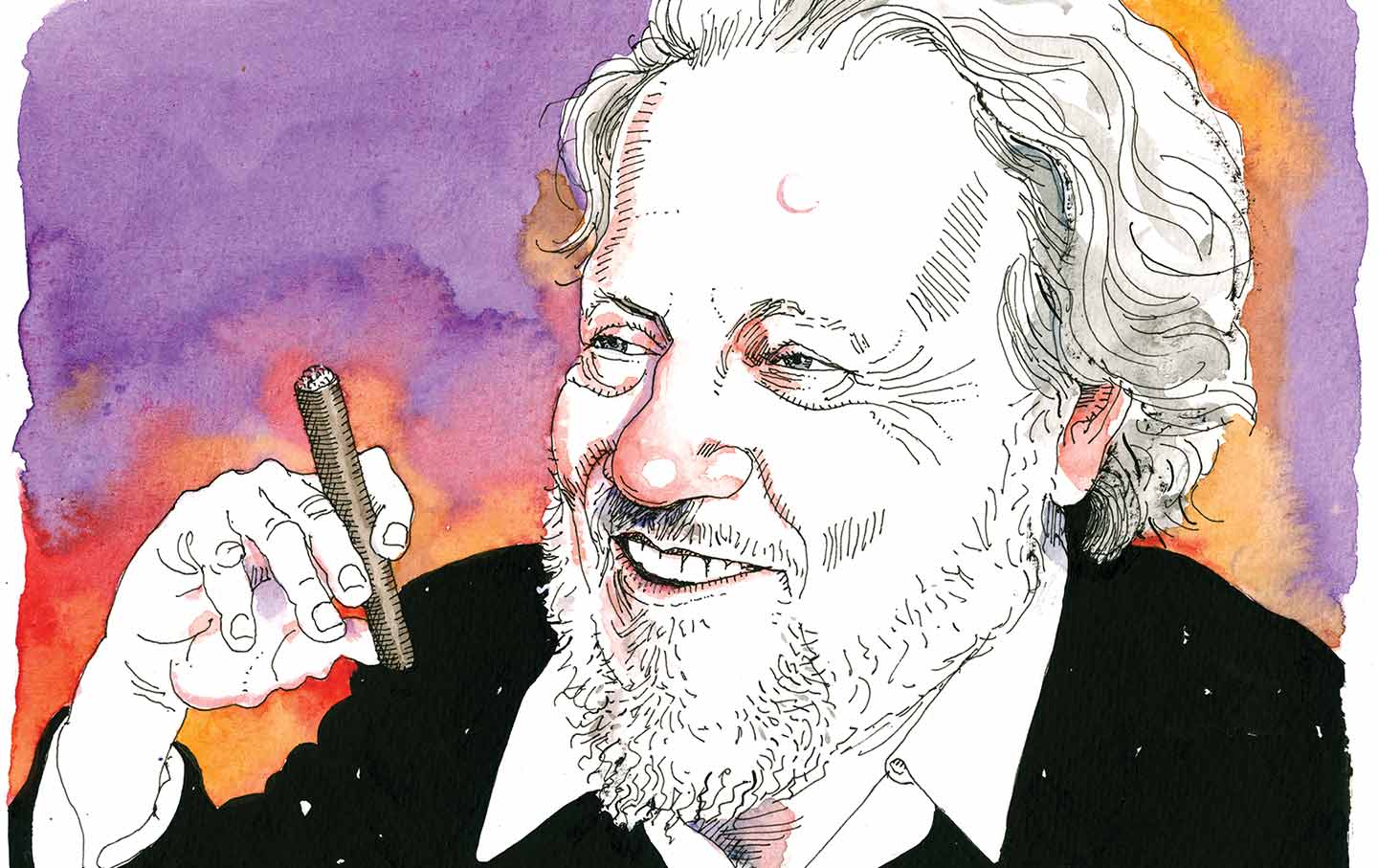
Reflecting on Leslie Fiedler’s Critical Perspectives on the American Novel
Vivian Gornick explores the legacy of critic Leslie Fiedler and his provocative inquiries into the maturity and themes of American literature. The piece examines Fiedler's influence on how we perceive the development of the American novel.
The Nation recently published a retrospective piece by Vivian Gornick examining the critical legacy of Leslie Fiedler, a prominent and often controversial literary critic. Fiedler is best remembered for his challenging stance on the trajectory of American fiction, famously questioning the maturity of the American novel. His work often dissected the cultural underpinnings of literature, looking at how American writers grappled with themes of identity, race, and the unique social landscape of the United States.
Gornick’s analysis touches upon Fiedler’s role as a provocateur in the literary establishment. By asking when the American novel would finally 'grow up,' Fiedler suggested that American writers were often trapped in adolescent preoccupations or superficial treatments of complex human experiences. The article frames Fiedler not just as a critic of books, but as a critic of the American psyche as reflected in its storytelling.
While the provided text is brief, it highlights the enduring relevance of Fiedler’s skepticism toward the American literary canon. Fiedler’s approach was characterized by a willingness to dismantle traditional academic views, often favoring a more sociological and psychological reading of texts. The article serves as an invitation to reconsider whether Fiedler’s critiques remain valid in the contemporary era, or if the American novel has since evolved to meet the standards he once found lacking. The piece does not offer a definitive conclusion on the current state of the American novel, but rather uses Fiedler’s historical perspective to prompt a broader discussion about the depth and evolution of American literary identity.
📡 Media Analysis
How each outlet framed the story — angles, word choices, and what they chose to push or ignore.
Used a historical literary figure to frame a broader, somewhat cynical critique of American cultural maturity.
"When will the American novel grown up?"
🔍 What Nobody's Reporting
- ·Lack of specific examples of which American novels Fiedler considered 'immature.'
- ·No counter-perspective from critics who disagreed with Fiedler’s assessment of American literature.
📰 Sources
0 A-rated source(s) among 1 total. Lowest trust: The Nation (B)