
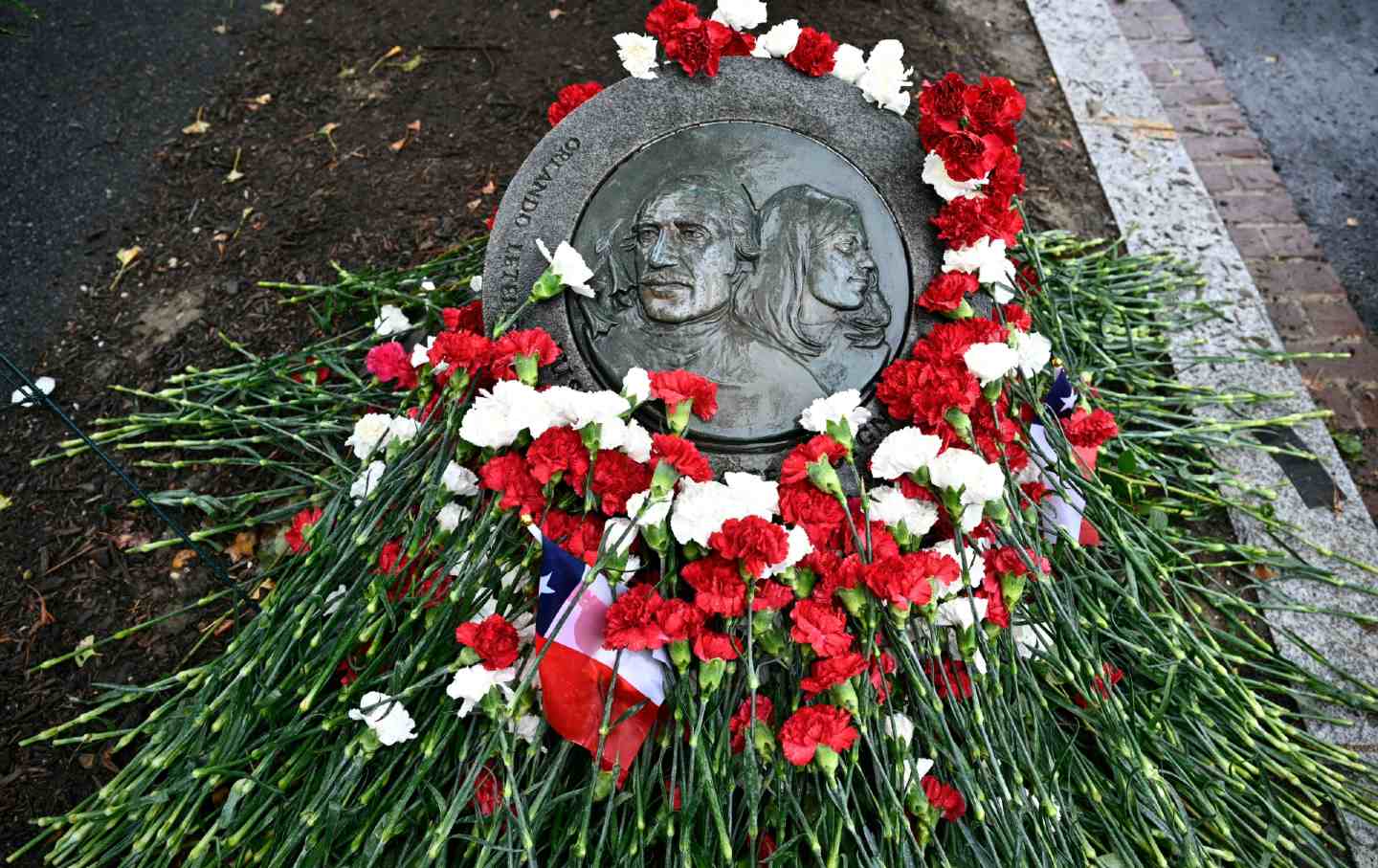
Reflecting on the 1976 Letelier-Moffitt Assassination in Washington, D.C.
Fifty years after the car bombing of Orlando Letelier and Ronni Moffitt in Washington, D.C., historians and observers continue to examine the legacy of Augusto Pinochet's involvement. The event remains a significant case study in international terrorism and state-sponsored violence.
In 1976, a car bomb detonated in Washington, D.C., killing former Chilean diplomat Orlando Letelier and his assistant, Ronni Moffitt. The assassination was later linked to the Chilean secret police, DINA, under the orders of the military regime led by Augusto Pinochet. The event is widely regarded by historians and legal experts as a rare instance of state-sponsored international terrorism occurring on American soil.
For decades, the case has served as a focal point for debates regarding human rights, U.S. foreign policy, and the accountability of authoritarian leaders. While the legal proceedings eventually identified the perpetrators and the chain of command leading to the Chilean intelligence apparatus, the broader historical assessment of Pinochet’s role remains a subject of intense scrutiny. Proponents of a strict historical accounting argue that the assassination was a direct manifestation of the regime's policy to eliminate political dissidents abroad. Conversely, some historical perspectives have focused on the geopolitical complexities of the Cold War era, though the consensus among mainstream historians remains that the act was a clear violation of international law and sovereignty.
The legacy of the case continues to influence modern discussions on how nations address crimes committed by foreign regimes. As the 50th anniversary approaches, the focus remains on the long-term impact of the attack on the families of the victims and the enduring questions regarding justice for those who ordered the operation. The case remains a foundational element in the study of Pinochet’s tenure and the international consequences of his government's actions.
📡 Media Analysis
How each outlet framed the story — angles, word choices, and what they chose to push or ignore.
Framed the assassination as a definitive act of international terrorism that defines Pinochet's historical legacy.
"international terrorism"
🔍 What Nobody's Reporting
- ·Lack of detail regarding the specific legal outcomes for the individuals involved in the bombing.
- ·Absence of context regarding the U.S. government's official response at the time of the incident.
📰 Sources
0 A-rated source(s) among 1 total. Lowest trust: The Nation (B)