
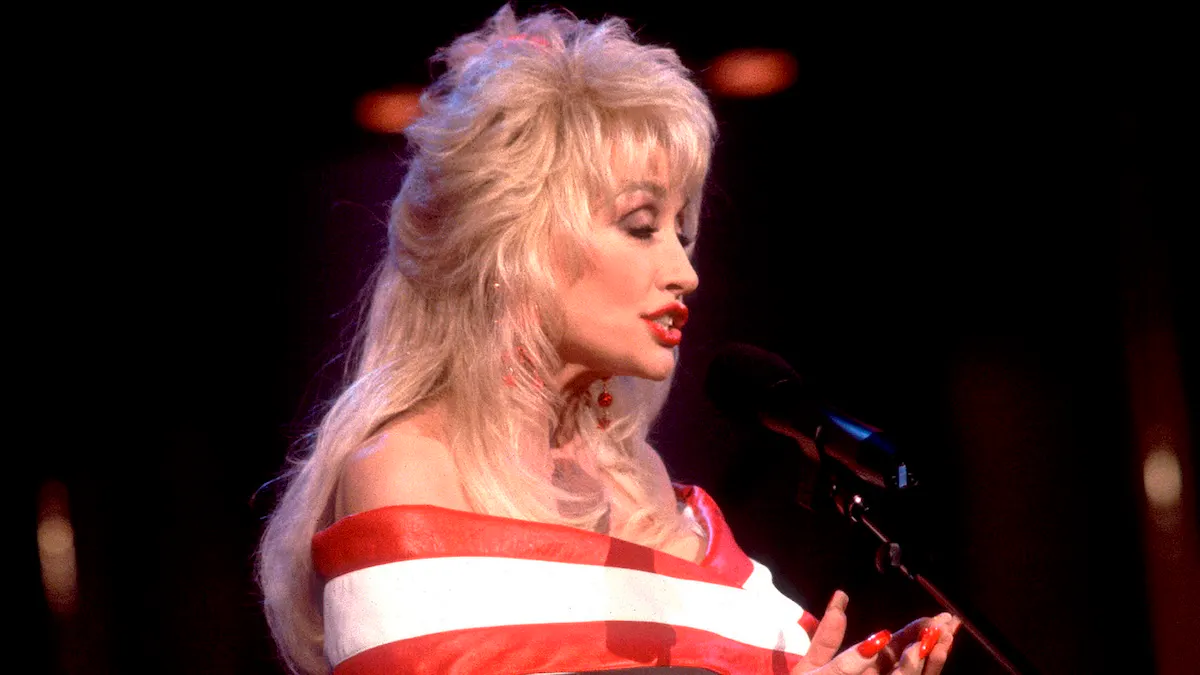
Reflecting on the Cultural Legacy of Dolly Parton
Following the death of country music icon Dolly Parton at age 80, commentators are reflecting on her unique ability to bridge cultural divides in America. Discussions center on her legacy as a unifying figure compared to modern entertainers.
The passing of Dolly Parton at age 80 has prompted widespread reflection on her role as a unifying cultural force in the United States. Parton, a prolific singer-songwriter and philanthropist, is being remembered for her ability to transcend political and social divisions, a trait that some observers argue is increasingly rare in contemporary American entertainment.
Commentary from various outlets suggests that Parton’s approach to her audience was rooted in a desire to entertain and provide comfort, rather than engage in the ideological messaging often associated with modern pop stars. Some observers have gone as far as to label her one of the most significant figures of the 20th and 21st centuries, noting that her career served as a rare point of consensus in an otherwise polarized nation. While the tributes emphasize her warmth and broad appeal, there is a clear consensus among these sources that the current cultural landscape struggles to produce figures with a similar capacity to bring disparate groups of Americans together. The discourse surrounding her death highlights a perceived shift in the entertainment industry, where modern artists are frequently viewed as more divisive or prone to lecturing their audiences compared to the traditional, inclusive approach attributed to Parton.
📡 Media Analysis
How each outlet framed the story — angles, word choices, and what they chose to push or ignore.
Used Parton's legacy as a cudgel to criticize modern entertainers for being too political.
"audience to be lectured"
✓ Only outlet to report: Explicitly contrasted Parton's entertainment philosophy with the perceived moralizing of today's pop stars.
Framed Parton as a political stateswoman to elevate her status beyond music.
"greatest southern stateswoman"
✓ Only outlet to report: Characterized her as a 'stateswoman' rather than just a musician.
⚡ Where Sources Disagree
- ·The sources do not contradict each other on facts, but they differ in their interpretation of her role, with one focusing on her as an entertainer and the other as a political figure.
🔍 What Nobody's Reporting
- ·Lack of perspective from music critics or cultural historians who might analyze her musical impact rather than just her political utility.
- ·Absence of input from those who might disagree with the premise that modern entertainers are uniquely divisive.
📰 Sources
0 A-rated source(s) among 2 total. Lowest trust: The Federalist (C)