
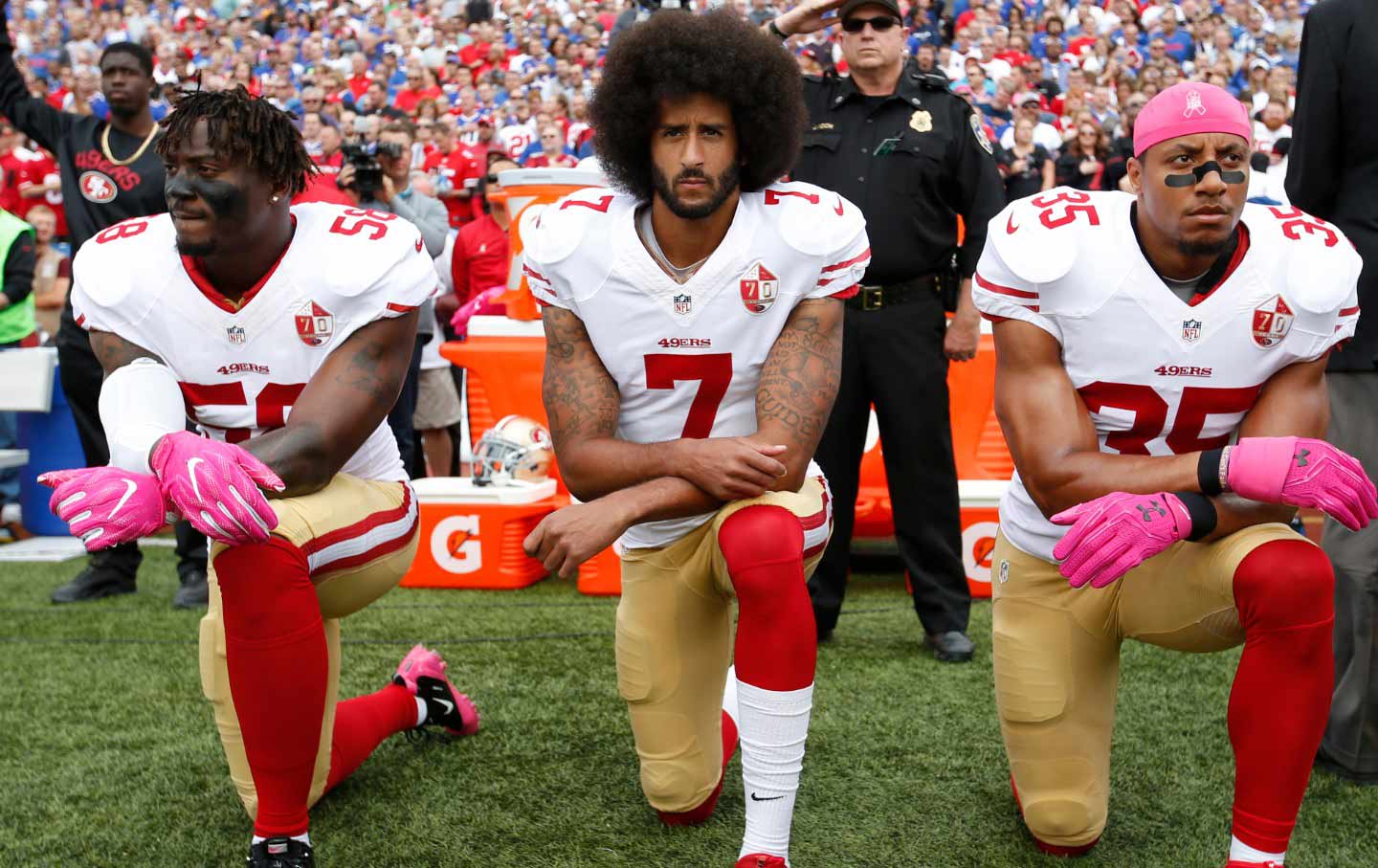
Reflecting on the Legacy of Colin Kaepernick's Protests Ten Years Later
Ten years after Colin Kaepernick first knelt during the national anthem, observers are evaluating the long-term impact of his actions on sports activism. The discussion centers on whether his protest successfully launched a sustained era of athlete-led social movements.
In 2014, Colin Kaepernick began kneeling during the national anthem before NFL games to protest racial injustice and police brutality. A decade later, the legacy of this act remains a subject of intense debate regarding its effectiveness and influence on the broader landscape of sports activism.
Commentators like Dave Zirin, writing for The Nation, reflect on the period following the 2020 murder of George Floyd, during which there was a significant surge in athlete-led protests. Zirin suggests that while the momentum felt like the beginning of a transformative era for sports, the current state of activism requires a critical re-examination. The discourse often splits between those who view Kaepernick as a foundational figure who successfully shifted the cultural role of professional athletes, and critics who argue that the movement failed to achieve concrete policy changes or sustained institutional reform within sports leagues.
While supporters emphasize the cultural shift in how athletes use their platforms to address social issues, others point to the professional consequences Kaepernick faced as evidence of the limitations of such activism. The conversation continues to evolve as observers weigh the symbolic power of the kneeling protest against the practical outcomes of the movement it inspired.
📡 Media Analysis
How each outlet framed the story — angles, word choices, and what they chose to push or ignore.
Frames the kneeling as a foundational moment for a necessary and ongoing social movement.
"launch a new era of sports activism"
⚡ Where Sources Disagree
- ·Whether the protests resulted in a lasting 'new era' of activism or were a temporary response to specific events.
🔍 What Nobody's Reporting
- ·Lack of perspective from league officials or critics who opposed the method of protest.
- ·Absence of data or specific examples of policy changes linked to the movement.
📰 Sources
0 A-rated source(s) among 1 total. Lowest trust: The Nation (B)