
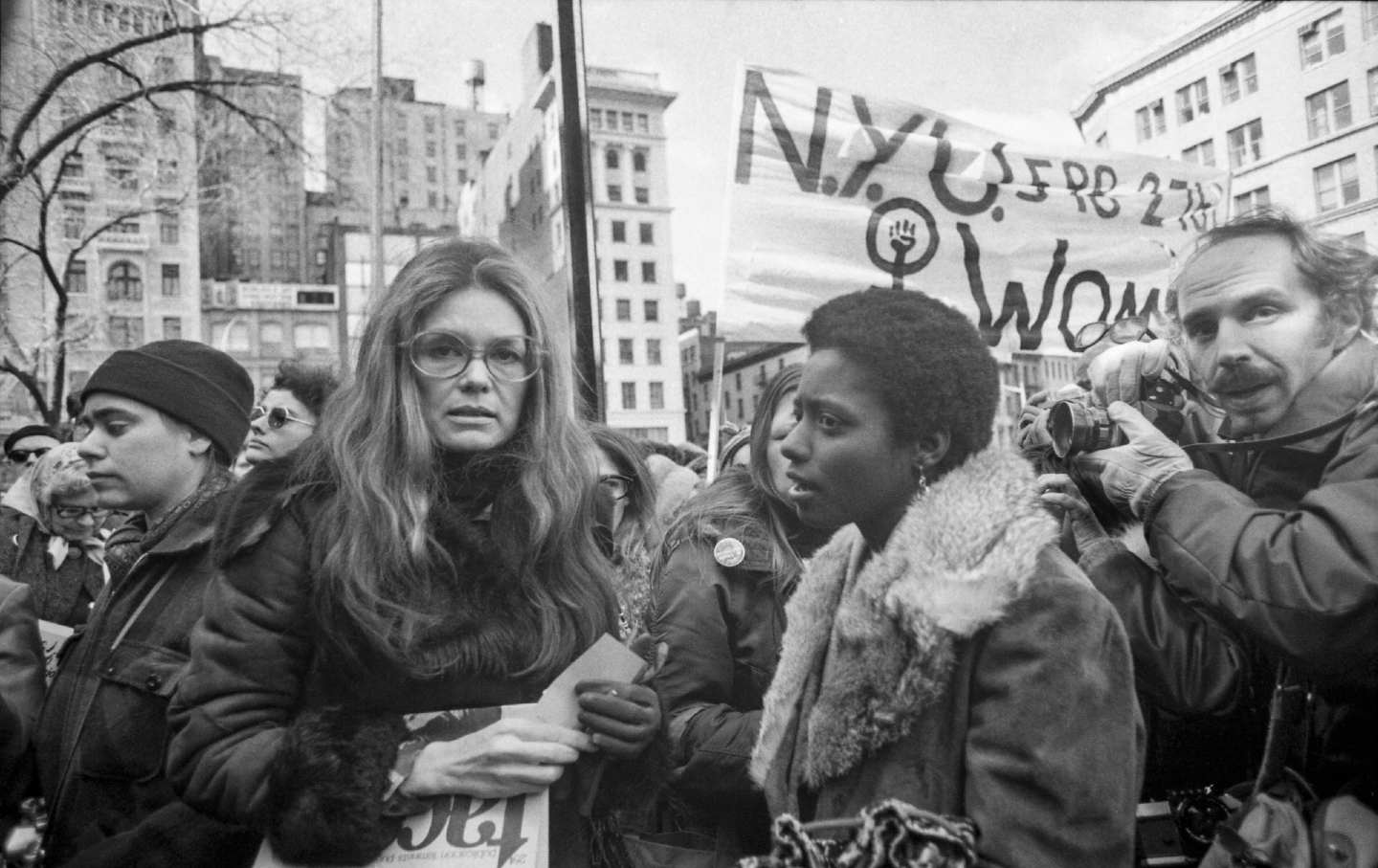
Reflecting on the Life and 1970s Career of Feminist Icon Gloria Steinem
Gloria Steinem remains a central figure in the history of the feminist movement, with a career spanning journalism and activism. Recent retrospectives highlight both her personal support for other women leaders and her rise to prominence in the New York media scene during the 1970s.
Gloria Steinem’s legacy as a feminist icon is frequently examined through the lens of her dual roles as a journalist and a social activist. In the 1970s, Steinem became a prominent figure in the American cultural landscape, balancing her work as a writer with her advocacy for gender equality. Reports from the time, including accounts from journalists like Lynn Sherr, describe Steinem as a central figure in Manhattan’s social and intellectual circles, often referred to as part of the 'glitterati.'
While historical accounts focus on her professional rise, contemporary reflections emphasize her long-term commitment to the feminist movement. *The Nation* highlights her role as a mentor and supporter of other women leaders, suggesting that her influence extended beyond public activism into personal solidarity with her peers. Conversely, reports from the Associated Press archives focus on the specific atmosphere of her life in 1970, framing her as a journalist navigating the intersection of celebrity and political advocacy. There is no direct contradiction between these accounts, though they differ in scope: one focuses on her enduring legacy and character, while the other provides a snapshot of her professional environment during a pivotal decade in her career.
📡 Media Analysis
How each outlet framed the story — angles, word choices, and what they chose to push or ignore.
Focused on her character and legacy as a supportive mentor to other women.
"many-splendored"
✓ Only outlet to report: Mentioned her ongoing support for women leaders even in her final days.
Framed her as a 1970s media celebrity and journalist.
"member of the glitterati"
✓ Only outlet to report: Detailed a specific 1970 interview encounter with AP writer Lynn Sherr.
🔍 What Nobody's Reporting
- ·Lack of critical analysis regarding the effectiveness of her specific policy advocacy.
- ·Absence of perspectives from critics of the 1970s feminist movement.
📰 Sources
0 A-rated source(s) among 2 total. Lowest trust: The Nation (B)