
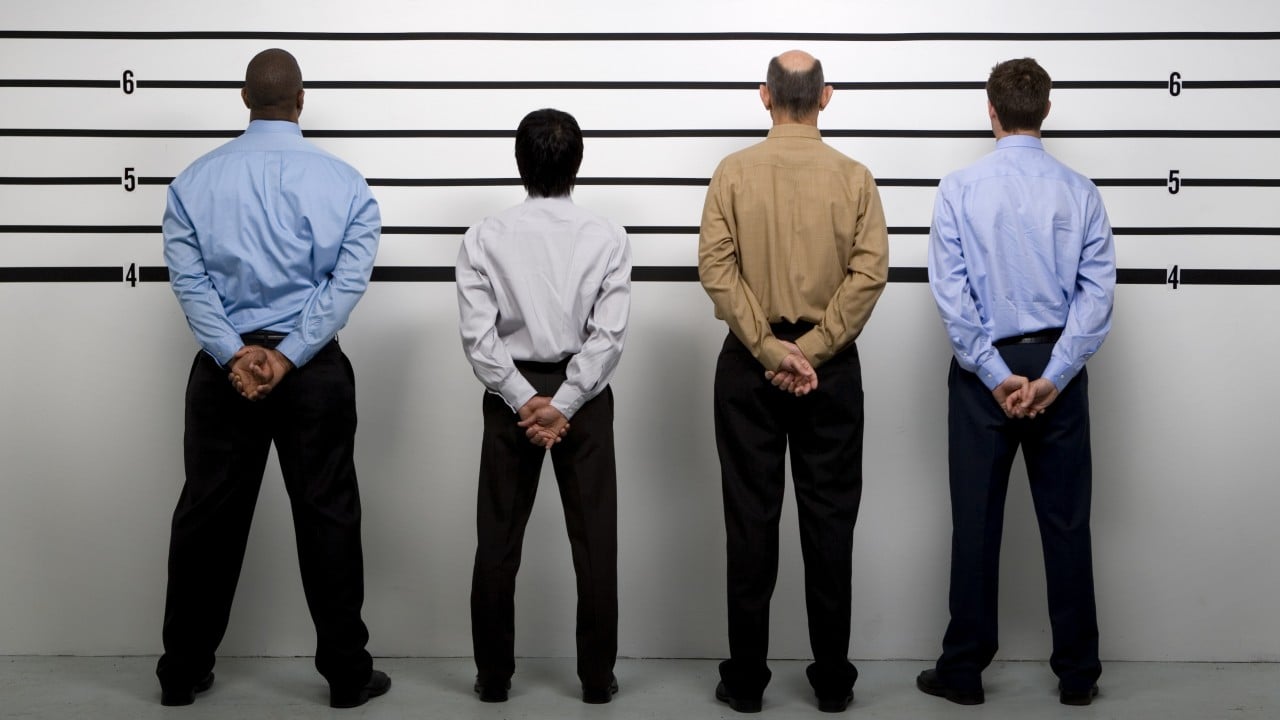
Research Shows Human Memory for Identifying Criminals Is Often Unreliable
Scientific studies indicate that eyewitness testimony is frequently inaccurate because human memory does not function like a video recording. Most people overestimate their ability to correctly identify individuals they have seen in the past.
When individuals witness a crime, they often feel confident in their ability to identify the perpetrator later. However, psychological research consistently shows that this confidence is frequently misplaced. A 2011 study conducted in the United States found that 63% of participants incorrectly believe that human memory operates like a video camera, allowing people to 'replay' past events with perfect clarity.
In reality, memory is reconstructive rather than reproductive. When a witness attempts to recall a face, they are not retrieving a static file from their brain; they are piecing together fragments of information that can be easily influenced by external factors, stress, or the passage of time. This misconception about how memory works leads many people to overestimate their own accuracy. Because of this, legal experts and psychologists have long warned that eyewitness testimony, while often compelling to juries, is one of the most common causes of wrongful convictions. The gap between how we think our brains work and how they actually function remains a significant challenge for the justice system.
📡 Media Analysis
How each outlet framed the story — angles, word choices, and what they chose to push or ignore.
Used a relatable, conversational hook to explain the psychological flaws in eyewitness testimony.
"akin to running back"
🔍 What Nobody's Reporting
- ·The article does not discuss specific legal reforms or procedural changes (like double-blind lineups) designed to mitigate these memory errors.
- ·There is no mention of how factors like lighting, distance, or cross-racial identification specifically impact the accuracy of these memories.
📰 Sources
0 A-rated source(s) among 1 total. Lowest trust: SCMP (B)