
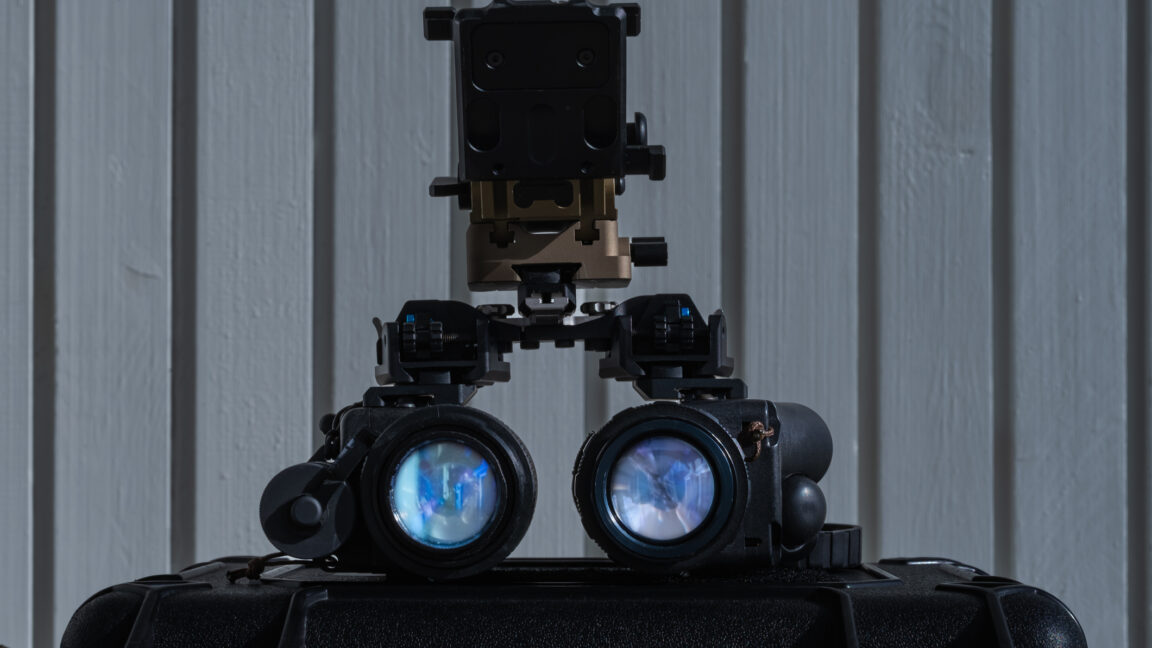
Researchers Develop New Full-Color Night Vision Technology
Engineers have created a new night vision system that translates infrared wavelengths and intensity into visible colors. This advancement aims to improve image clarity and depth perception compared to traditional monochrome night vision.
A team of researchers has successfully developed a new type of night vision technology capable of producing full-color images in low-light environments. Traditional night vision goggles typically rely on monochrome displays, usually in shades of green or white, which can make it difficult for users to distinguish between objects with similar textures or brightness levels.
This new approach functions by capturing infrared light—which is invisible to the human eye—and processing it through a specialized system that maps specific infrared wavelengths and intensity levels to corresponding colors in the visible spectrum. By translating this data, the device allows the user to see a color-coded representation of their surroundings. Proponents of the technology suggest that this could significantly improve situational awareness for military, law enforcement, and search-and-rescue operations, as color provides additional context that monochrome images lack. While the technical details of the sensor array and the processing speed remain a focus of ongoing study, the initial results demonstrate a viable path toward replacing standard night vision hardware with more intuitive, color-capable alternatives.
📡 Media Analysis
How each outlet framed the story — angles, word choices, and what they chose to push or ignore.
Focused on the technical mechanism of the invention without sensationalizing the application.
"translated into colors"
✓ Only outlet to report: The explanation that the system maps both wavelength and intensity to generate the color output.
🔍 What Nobody's Reporting
- ·Lack of information regarding the physical size, weight, or power requirements of the device.
- ·No mention of the potential cost or timeline for commercial or military deployment.
📰 Sources
1 A-rated source(s) among 1 total. Lowest trust: Ars Technica (A)