
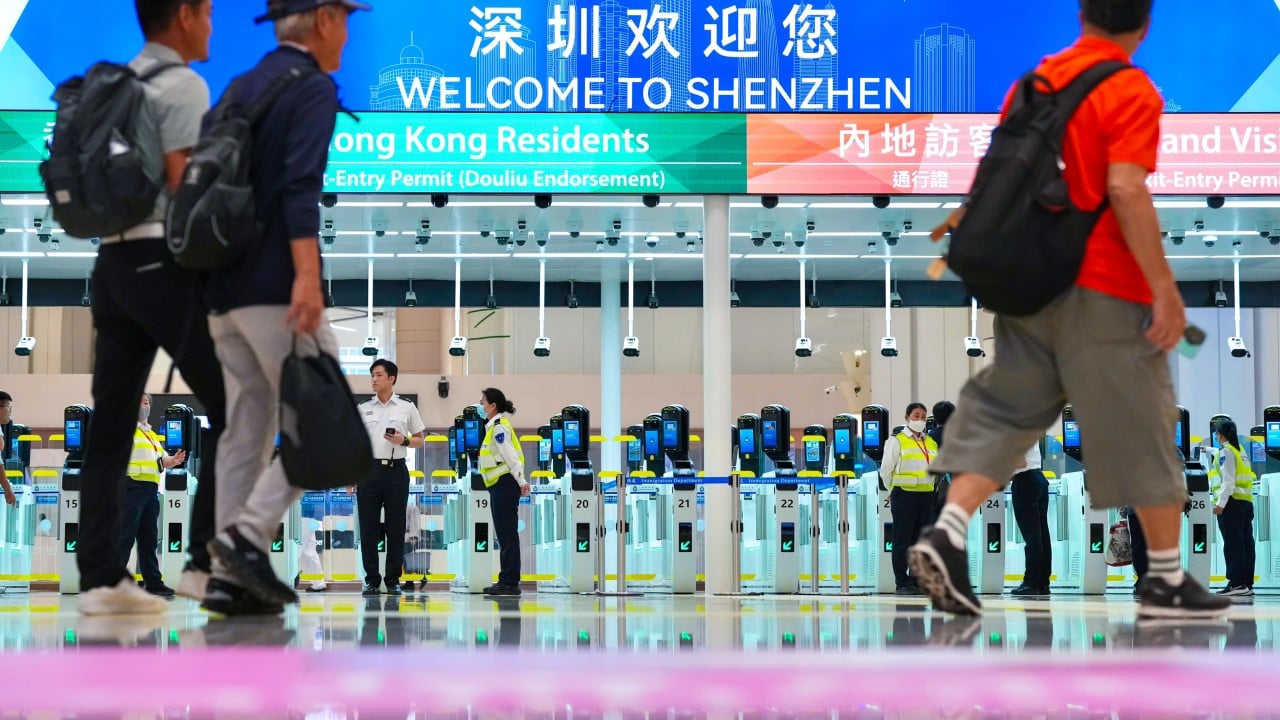
Revamped Huanggang Port Opens With New Joint Clearance System
The Huanggang Port has reopened following a six-year redevelopment project, marking the introduction of a new joint immigration clearance system between Hong Kong and mainland China. The facility replaces the previous port and aims to streamline border transit for commuters and vehicles.
After a six-year redevelopment period, the new Huanggang Port officially commenced operations at 6:30 a.m. on Monday. This facility serves as a primary border checkpoint connecting Hong Kong and mainland China, replacing the older infrastructure that previously facilitated cross-border travel.
A significant feature of the revamped port is the implementation of a “joint clearance” immigration system. This model is designed to consolidate immigration procedures for both jurisdictions into a single process, a departure from the traditional dual-checkpoint method. The port remains accessible to city residents through existing transit routes, including shuttle bus services from the San Tin public transport interchange and private vehicle access via the Lok Ma Chau control point.
While the transition is intended to improve efficiency, the long-term impact on cross-border traffic volume and wait times remains to be seen as travelers adjust to the new facility. The project represents a major infrastructure update for the region, aiming to modernize the logistics of movement between Shenzhen and Hong Kong.
📡 Media Analysis
How each outlet framed the story — angles, word choices, and what they chose to push or ignore.
Focused on the technical upgrade and the operational shift to joint clearance.
"‘Satisfactory’ opening"
✓ Only outlet to report: Detailed the specific transit routes, such as the San Tin public transport interchange, used to access the port.
🔍 What Nobody's Reporting
- ·Lack of official data regarding the expected increase in daily passenger capacity.
- ·Absence of perspective from regular commuters or transport unions regarding the new system's ease of use.
📰 Sources
0 A-rated source(s) among 1 total. Lowest trust: SCMP (B)