
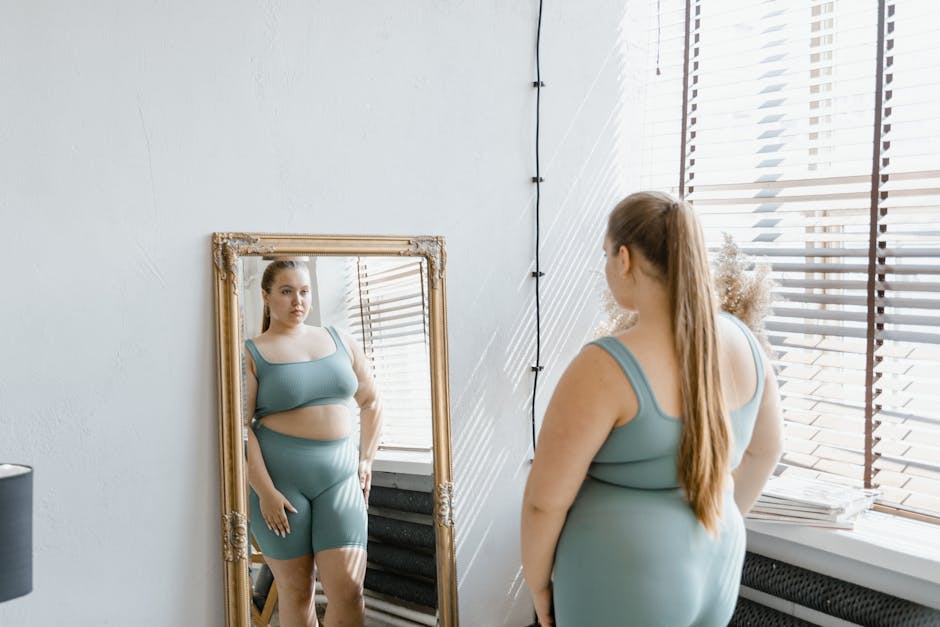
The Rise of AI-Generated Influencers and Its Impact on Body Image Standards
As of 2026, experts warn that the proliferation of AI-generated influencers is reinforcing narrow, unrealistic beauty standards. This trend mirrors historical pressures from traditional media, potentially worsening body image issues for viewers.
In 2026, the intersection of artificial intelligence and social media has created a new challenge for public body image. According to mental health experts, the rise of virtual influencers—AI-generated personas that do not exist in reality—is contributing to a societal shift back toward extreme thinness. This trend is drawing comparisons to the early 2000s, when fashion magazines were widely criticized for promoting unattainable body types.
Katy Bruchmann, who leads the Social Cognition and Comparison Lab at Santa Clara University, notes that the problem is compounded by the influence of celebrities. When prominent public figures adopt or promote these extreme aesthetic standards, virtual influencers are programmed to emulate them, creating a feedback loop of unrealistic body expectations. Experts argue that because these AI figures are designed to be visually perfect, they prey on human tendencies toward social comparison, making it increasingly difficult for individuals to achieve self-acceptance.
While the technology behind these influencers is advancing rapidly, the psychological consequences remain a primary concern for researchers. The core issue, according to current analysis, is that the digital landscape is effectively stripping away body diversity. By prioritizing AI-generated imagery that adheres to a singular, narrow ideal, platforms are inadvertently setting a benchmark that is physically impossible for most humans to reach. This shift is raising alarms among mental health professionals who fear that the normalization of these digital bodies will exacerbate existing struggles with body dysmorphia and self-esteem among younger demographics.
📡 Media Analysis
How each outlet framed the story — angles, word choices, and what they chose to push or ignore.
Focused on the psychological risks of AI-driven beauty standards and the cyclical nature of media influence.
"prey on human nature"
🔍 What Nobody's Reporting
- ·Lack of perspective from AI developers or social media platform representatives regarding their role in regulating this content.
- ·No mention of potential positive uses for AI in fashion or media, such as increased accessibility or creative expression.
📰 Sources
0 A-rated source(s) among 1 total. Lowest trust: Axios (B)