
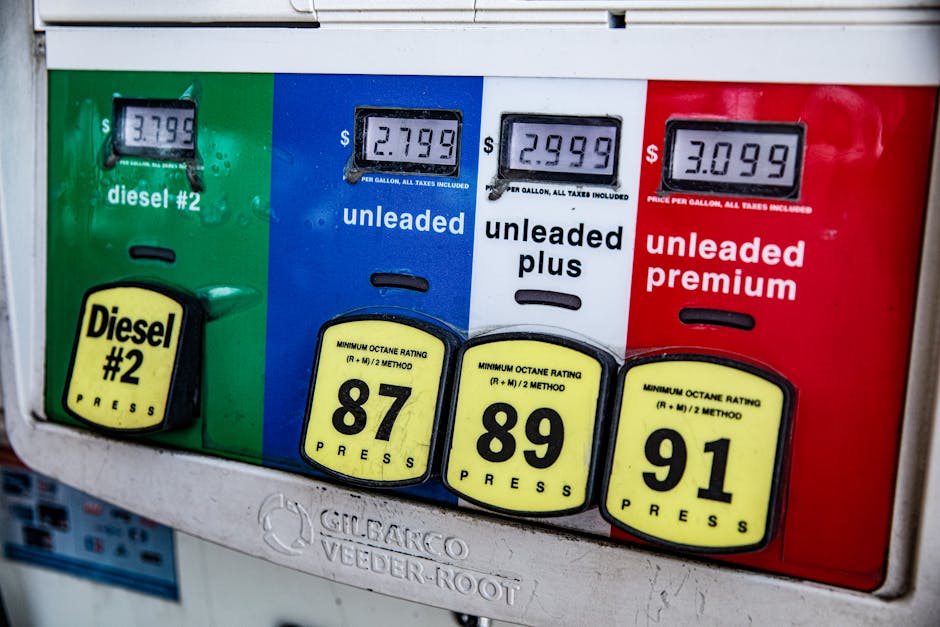
Rising Diesel Prices Impacting Broad Sectors of the U.S. Economy
Diesel fuel costs are currently experiencing a significant upward trend, creating inflationary pressure across various sectors of the United States economy. This increase in energy costs affects transportation, logistics, and manufacturing, potentially raising the price of consumer goods.
Market Narrative Detected
The narrative suggests that energy costs are a primary driver of persistent inflation, which benefits energy producers and suppliers while putting pressure on logistics-heavy industries. If the public believes this is an uncontrollable market force, it may normalize higher consumer prices.
Diesel fuel prices have seen a marked increase, a development that is rippling through the broader U.S. economy. Because diesel is the primary fuel used for heavy-duty trucking, rail transport, and industrial machinery, fluctuations in its price directly influence the cost of moving goods from manufacturers to retailers. When diesel costs rise, logistics companies often pass these expenses on to businesses, which in turn may increase prices for end consumers.
While the Financial Times reports that these price hikes are currently impacting the economy at large, the specific drivers behind the current surge—such as refinery capacity, global crude oil supply, or seasonal demand shifts—remain a subject of broader economic debate. Analysts note that because diesel is essential for the supply chain, it acts as a 'hidden' tax on almost every physical product. Unlike gasoline, which primarily affects personal commuting, diesel price volatility has a more direct and immediate impact on the Consumer Price Index (CPI) due to its role in the movement of food, building materials, and retail inventory. As of now, the economic impact is being felt across multiple sectors, though the long-term duration of these high prices remains uncertain.
📡 Media Analysis
How each outlet framed the story — angles, word choices, and what they chose to push or ignore.
Focused on the systemic economic disruption caused by energy costs.
"rip across US economy"
🔍 What Nobody's Reporting
- ·Lack of data on specific regional price variations within the U.S.
- ·No mention of government policy responses or strategic petroleum reserve impacts.
- ·Absence of comparative data regarding historical diesel price cycles.
📰 Sources
1 A-rated source(s) among 1 total. Lowest trust: FT Markets (A)