
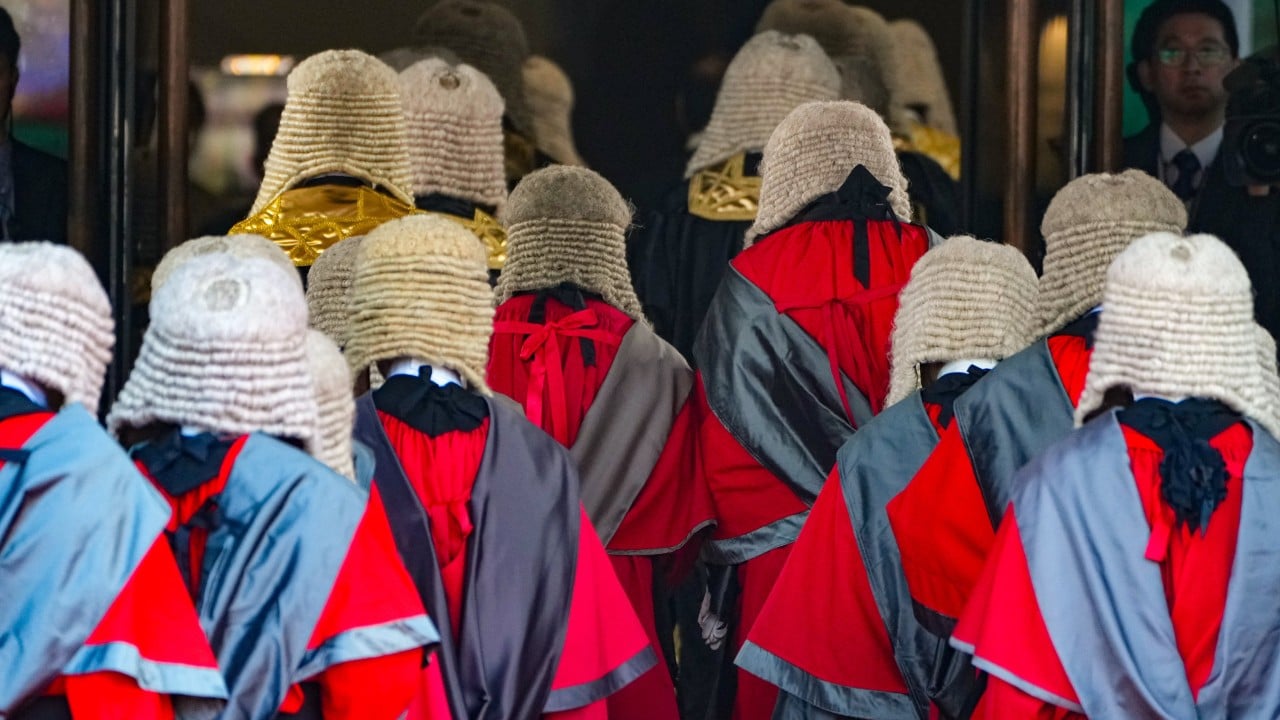
The Role of High Court Judges in Overseeing Jury Trials
Jury trials remain a cornerstone of common law systems, placing significant responsibility on judges to manage courtroom proceedings. While juries determine the verdict, judges act as essential facilitators to ensure legal standards and procedural fairness are maintained.
While the jury is widely recognized as the primary decision-maker regarding a defendant’s guilt in criminal cases, the function of the High Court judge is equally critical to the integrity of the legal process. In common law jurisdictions, the judge serves as the overseer of the trial, functioning much like a conductor in an orchestra. This role involves managing the complex dynamics between the prosecution and the defense to ensure that all parties adhere to established legal rules.
Contrary to the perception that a judge remains passive while awaiting a jury's verdict, the judge is actively engaged throughout the trial. They are responsible for ruling on the admissibility of evidence, managing courtroom decorum, and providing clear instructions to the jury to ensure they understand their legal obligations. By maintaining this structure, the judge protects the rights of the accused and ensures that the trial remains focused on the relevant facts. The balance between the jury’s role as the finder of fact and the judge’s role as the arbiter of law is what defines the common law tradition. Without the judge’s active management, the trial process could become disorganized, potentially undermining the fairness of the final verdict.
📡 Media Analysis
How each outlet framed the story — angles, word choices, and what they chose to push or ignore.
Explained the technical necessity of judicial oversight in maintaining the common law system.
"conductor of an orchestra"
🔍 What Nobody's Reporting
- ·Lack of discussion regarding how judicial oversight varies across different common law countries.
- ·No mention of the potential for judicial bias to influence jury perceptions.
📰 Sources
0 A-rated source(s) among 1 total. Lowest trust: SCMP (B)