
The Role of Israel and Jewish Voter Concerns in Michigan Primary Elections
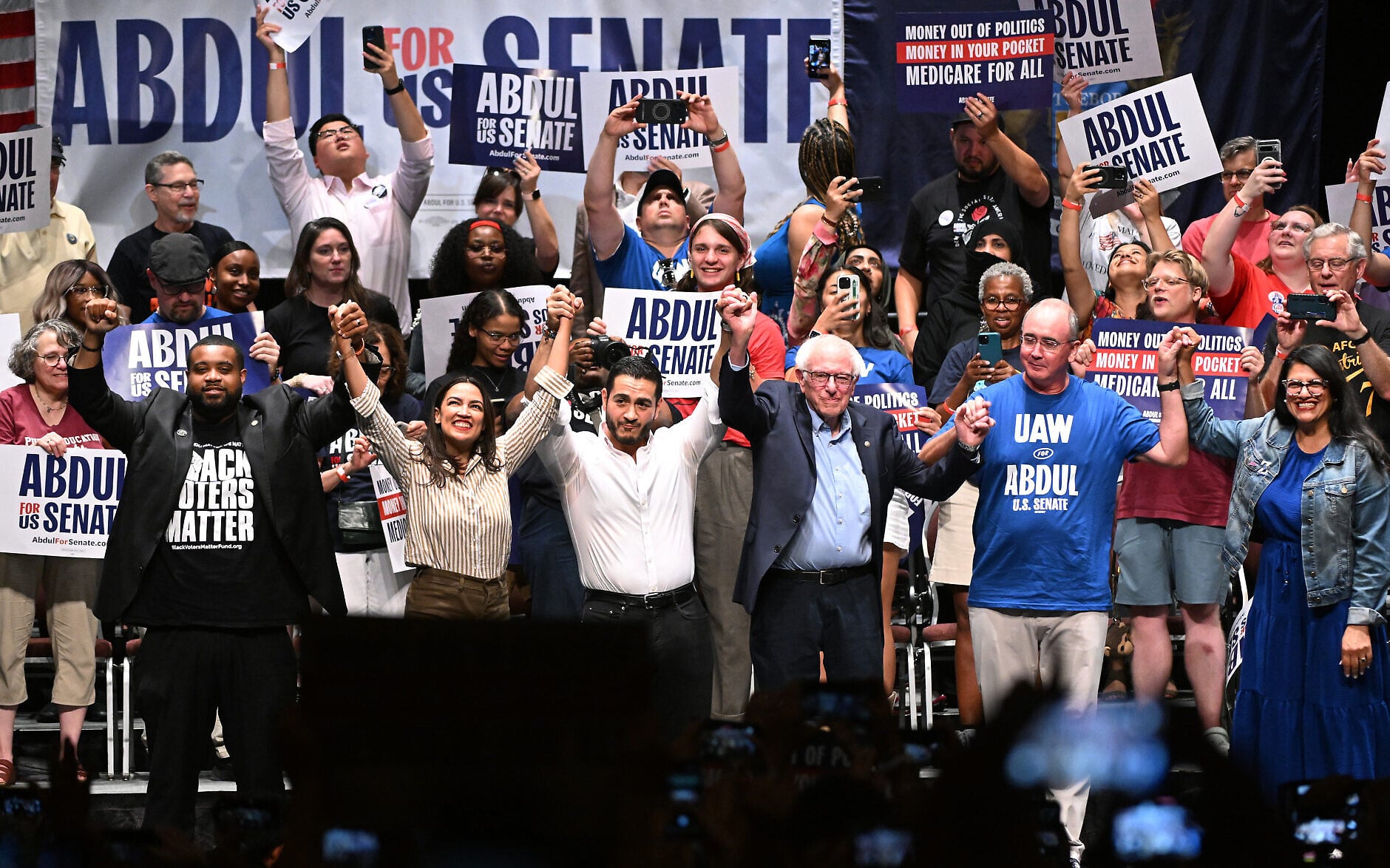
Progressive candidates in Michigan, such as Abdul El-Sayed, are increasingly navigating the political implications of their pro-Palestinian stances. These positions are influencing primary contests across the state, even in areas with small Jewish populations.
As Michigan prepares for upcoming primary elections, the political discourse is being shaped by the stances candidates take regarding Israel and the Palestinian territories. The emergence of what some observers call the 'El-Sayed effect' highlights a trend where progressive candidates are openly adopting pro-Palestinian platforms, a shift that is resonating in various districts across the state.
While traditional political strategy often suggests that candidates should tread carefully regarding foreign policy issues—particularly those involving Israel—the current climate in Michigan suggests a departure from this norm. Candidates are finding that these issues are becoming central to their campaigns, regardless of the demographic makeup of their specific districts. Even in regions with relatively few Jewish residents, the debate over Israel’s role and the humanitarian situation in Gaza is influencing voter engagement and candidate messaging.
Political analysts note that this shift reflects a broader national trend within the Democratic Party, where the divide over Middle East policy is becoming more pronounced. The Times of Israel reports that this phenomenon is not isolated to a single race but is being mirrored in multiple contests throughout Michigan. The core of the contention lies in whether these progressive stances will alienate moderate voters or energize a younger, more activist base. While the long-term impact on general election viability remains to be seen, the current primary cycle is clearly testing the political weight of these foreign policy positions in local and state-level races.
📡 Media Analysis
How each outlet framed the story — angles, word choices, and what they chose to push or ignore.
Framed the rise of progressive pro-Palestinian candidates as a notable political trend impacting local elections.
"Avowedly pro-Palestinian progressive's bid"
✓ Only outlet to report: Identified the specific trend of pro-Palestinian platforms gaining traction in districts with low Jewish population density.
⚡ Where Sources Disagree
- ·There are no direct factual contradictions in the provided text, as only one source was analyzed.
🔍 What Nobody's Reporting
- ·Lack of perspective from the progressive candidates themselves regarding their motivations.
- ·Absence of polling data or specific voter sentiment metrics to quantify the 'effect' mentioned.
📰 Sources
0 A-rated source(s) among 1 total. Lowest trust: Times of Israel (B)