
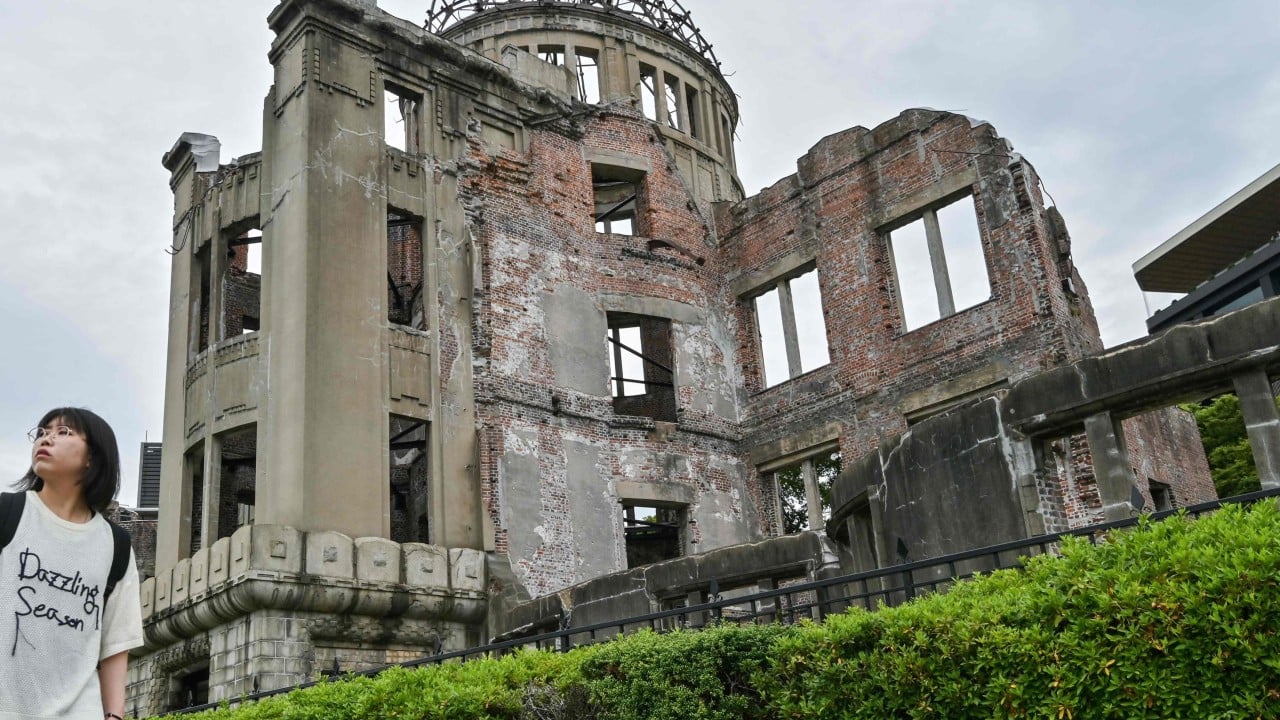
The Role of Municipal Leadership in Global Nuclear Disarmament Efforts
Advocates argue that because cities are the primary targets of nuclear weapons, municipal leaders should play a more active role in global disarmament policy. This perspective challenges the traditional concept of nuclear deterrence by highlighting the humanitarian risks posed to urban populations.
The debate over nuclear disarmament has increasingly shifted toward the role of local governments in influencing national and international security policies. Proponents of this movement argue that nuclear weapons are fundamentally designed to threaten urban centers, making cities the frontline of any potential nuclear conflict. By framing nuclear deterrence as a strategy that relies on the constant threat of mass civilian casualties, advocates suggest that city leaders have a moral and practical obligation to demand policy changes.
This approach contrasts with traditional national security frameworks, which typically treat nuclear strategy as the exclusive domain of federal governments and military experts. The argument presented is that the humanitarian consequences of even a limited nuclear exchange would be catastrophic for urban infrastructure and public health, necessitating a voice for those who govern these spaces. While the concept of nuclear deterrence has long been the cornerstone of global stability, critics of this policy argue that the practice is inherently dangerous and that local advocacy can serve as a catalyst for broader disarmament initiatives. The discourse emphasizes that cities are not merely passive targets but active stakeholders in the survival of their populations, and therefore should be empowered to participate in the global conversation regarding the reduction and eventual elimination of nuclear arsenals.
📡 Media Analysis
How each outlet framed the story — angles, word choices, and what they chose to push or ignore.
Framed nuclear deterrence as an inherently immoral practice that necessitates local government intervention.
"weapons of terror"
✓ Only outlet to report: The explicit argument that city leadership should have a formal voice in nuclear policy.
⚡ Where Sources Disagree
- ·Whether nuclear deterrence is a necessary security strategy or an immoral practice of holding civilians hostage.
🔍 What Nobody's Reporting
- ·Lack of perspective from national security experts or proponents of nuclear deterrence.
- ·Absence of data regarding the actual legal or political mechanisms by which cities could influence international nuclear treaties.
📰 Sources
0 A-rated source(s) among 1 total. Lowest trust: SCMP (B)