
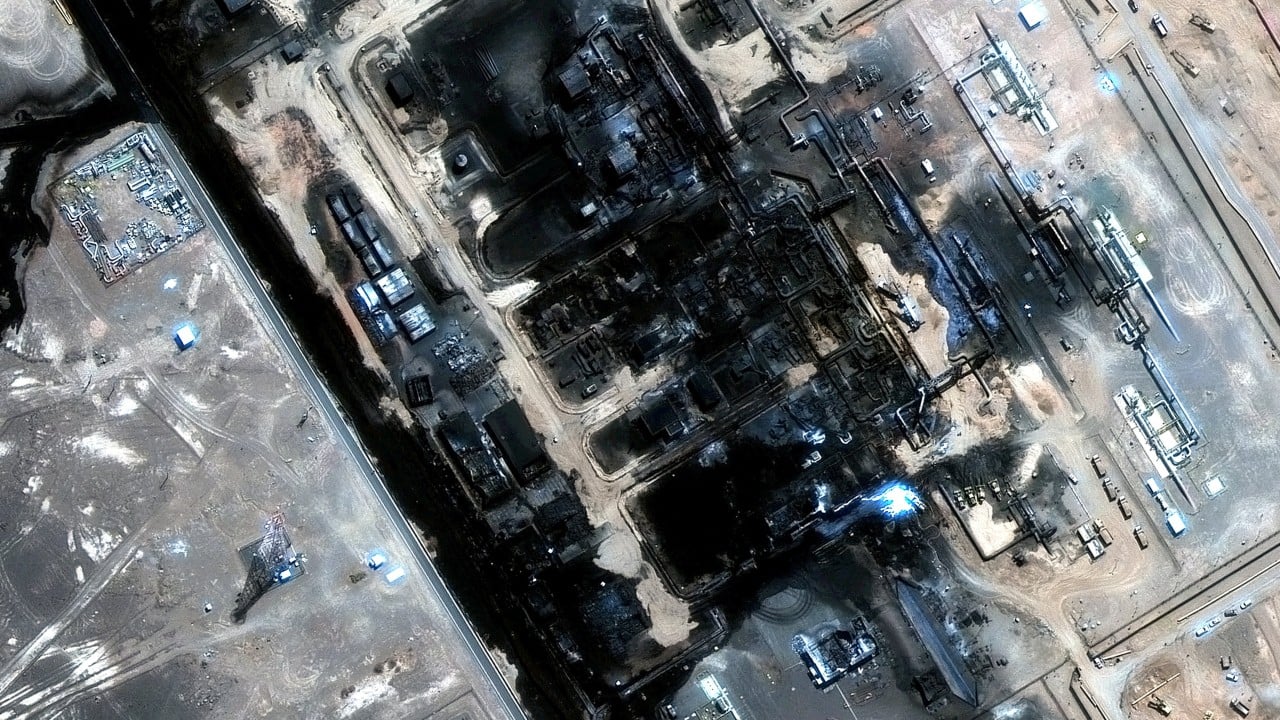
Saudi Pipeline Closure Increases Energy Supply Risks for Asian Economies
The shutdown of Saudi Arabia’s East-West pipeline has removed a critical alternative route for oil exports, exacerbating energy supply concerns in Asia. This disruption has contributed to crude oil prices exceeding $100 per barrel, threatening regional economic stability.
Market Narrative Detected
The narrative suggests that Asian economies are uniquely vulnerable to geopolitical energy shocks, which benefits oil-producing nations and energy traders by justifying higher price premiums. It frames the situation as a supply-side crisis that necessitates higher prices.
The closure of Saudi Arabia’s East-West pipeline has created a significant logistical challenge for global energy markets, specifically impacting Asian nations that rely heavily on imported crude. By removing a bypass that allowed oil to reach the Red Sea while avoiding the Strait of Hormuz, the shutdown has intensified fears regarding supply chain vulnerabilities.
Analysts indicate that the immediate impact is being felt by Asian refiners, who are now facing higher costs and potential supply delays. These increased energy costs are expected to ripple through the broader economy, potentially fueling inflation, weakening regional currencies, and slowing overall economic growth. With crude oil prices now trading above $100 per barrel, the market is reacting to the heightened risk of a prolonged supply shock. While the pipeline was intended to provide an 'escape route' from geopolitical tensions in the Strait of Hormuz, its current unavailability leaves energy-dependent economies in Asia with fewer options to mitigate the effects of global market volatility.
📡 Media Analysis
How each outlet framed the story — angles, word choices, and what they chose to push or ignore.
Focused on the macro-economic threat to Asian markets caused by the supply bottleneck.
"sharper squeeze"
✓ Only outlet to report: Identified the specific role of the East-West pipeline as a bypass for the Strait of Hormuz.
🔍 What Nobody's Reporting
- ·Lack of information regarding the cause of the pipeline closure (e.g., maintenance vs. sabotage).
- ·No mention of potential alternative suppliers or strategic reserve releases that could offset the shock.
- ·Absence of data on how long the closure is expected to last.
📰 Sources
0 A-rated source(s) among 1 total. Lowest trust: SCMP (B)