
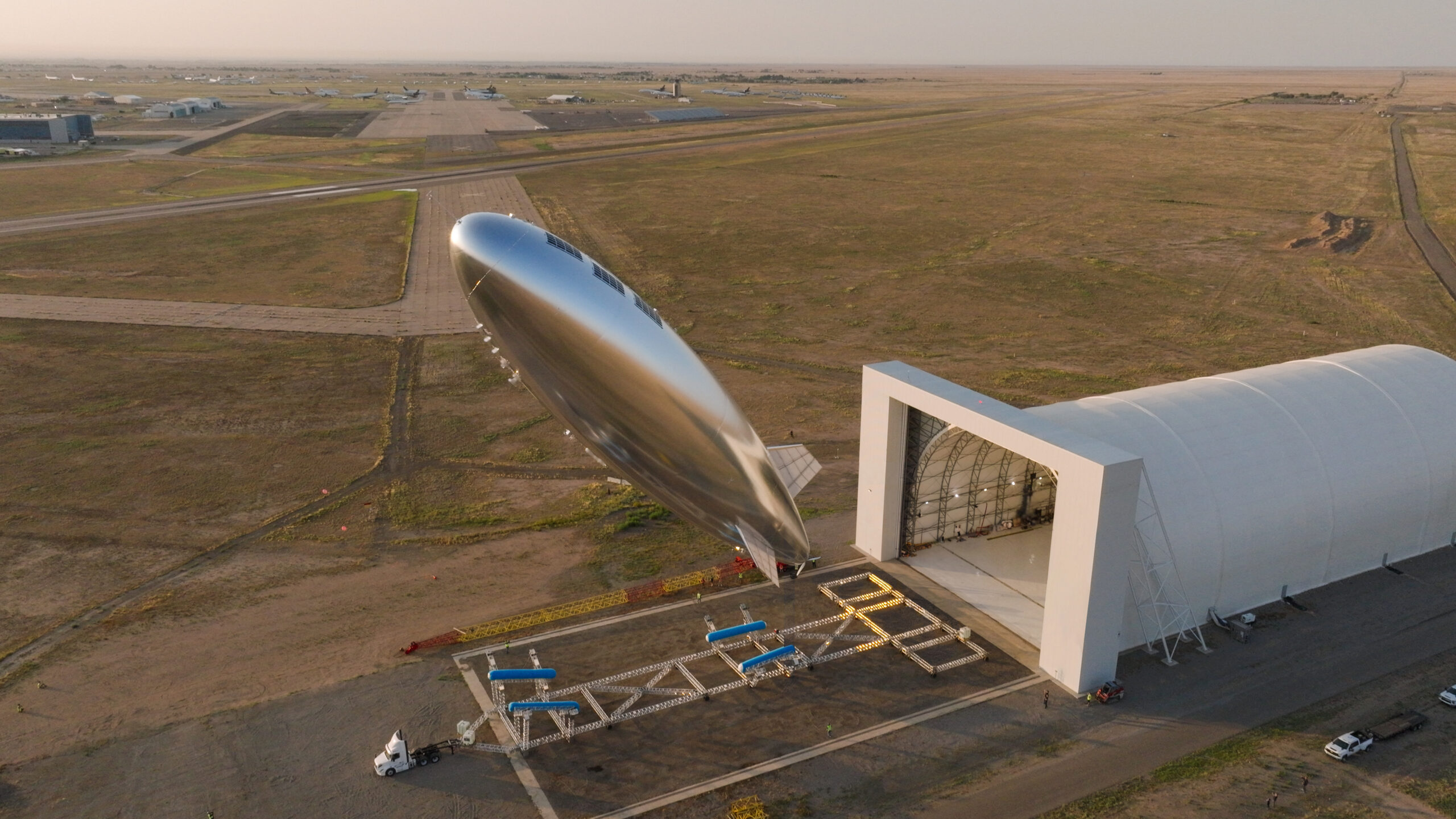
Sceye Stratospheric Airship Completes Trans-Pacific Flight Test
A high-altitude solar-powered airship developed by Sceye successfully flew from the United States to Japan. The mission aimed to demonstrate the platform's ability to provide emergency telecommunications from the stratosphere.
Sceye, a company specializing in high-altitude platform stations (HAPS), has successfully completed a long-distance flight test of its stratospheric airship. The vessel traveled from the United States to Japan, remaining in the stratosphere for the duration of the journey. This flight was designed to evaluate the airship's capability to function as a mobile, sky-based cell tower.
The primary objective of the test was to prove that these platforms can provide reliable connectivity during natural disasters or in remote areas where traditional ground-based infrastructure is unavailable or damaged. By operating in the stratosphere, the airship remains above weather patterns and commercial air traffic, allowing it to maintain a stable position for extended periods.
While the flight was successful, the technology remains in the testing phase. The company intends to use these platforms to bridge the digital divide by offering high-speed internet access to underserved regions. The successful trans-Pacific flight marks a significant milestone for Sceye, as it demonstrates the platform's endurance and navigational capabilities over long distances. Future tests are expected to further refine the airship's payload capacity and its ability to integrate with existing telecommunications networks.
📡 Media Analysis
How each outlet framed the story — angles, word choices, and what they chose to push or ignore.
Focused on the technical utility of the airship as a tool for disaster relief.
"high-flying platform"
🔍 What Nobody's Reporting
- ·Lack of information regarding the specific duration of the flight.
- ·No mention of the regulatory hurdles or airspace permissions required for a trans-Pacific flight.
- ·Absence of data regarding the environmental impact or energy efficiency of the solar-powered systems.
📰 Sources
1 A-rated source(s) among 1 total. Lowest trust: Ars Technica (A)