
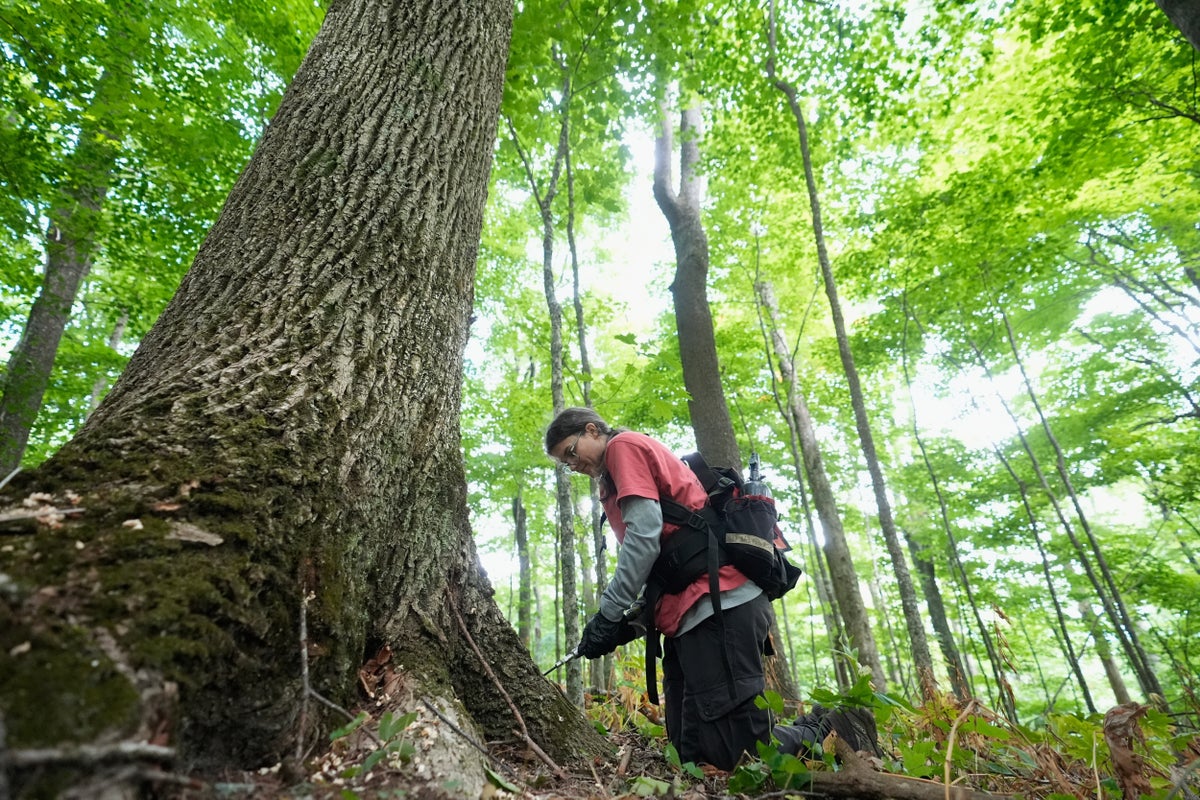
Scientists utilize biological controls to combat disease in American elm trees
Researchers are deploying disease-based biological interventions to protect American elm trees from invasive pests. This effort is part of a wider national strategy to preserve forest ecosystems and the timber industry.
A new scientific initiative is underway to save the iconic American elm tree by utilizing biological controls to combat the diseases and pests that have decimated the species over the last century. By introducing specific pathogens or biological agents that target the pests responsible for tree decline, scientists aim to restore the health of these trees and stabilize the ecosystems they support.
This project is framed as a critical component of a broader national effort to address the threat of invasive forest pests. These threats have significant economic implications, particularly for the logging industry, which relies on the health of domestic forests. Beyond the economic impact, the initiative seeks to prevent further degradation of delicate ecosystems that depend on the American elm for biodiversity and environmental stability. While the report highlights the potential for restoration, it notes that the initiative is part of a larger, ongoing struggle to manage forest health against evolving biological threats. The strategy reflects a shift toward using targeted biological interventions rather than traditional chemical methods to manage forest pests on a national scale.
📡 Media Analysis
How each outlet framed the story — angles, word choices, and what they chose to push or ignore.
Framed the project as a necessary environmental and economic intervention.
"jeopardize longstanding industries"
🔍 What Nobody's Reporting
- ·Lack of specific detail on the biological agents being used.
- ·Absence of potential ecological risks associated with introducing new diseases to forest environments.
📰 Sources
0 A-rated source(s) among 1 total. Lowest trust: The Independent (B)