
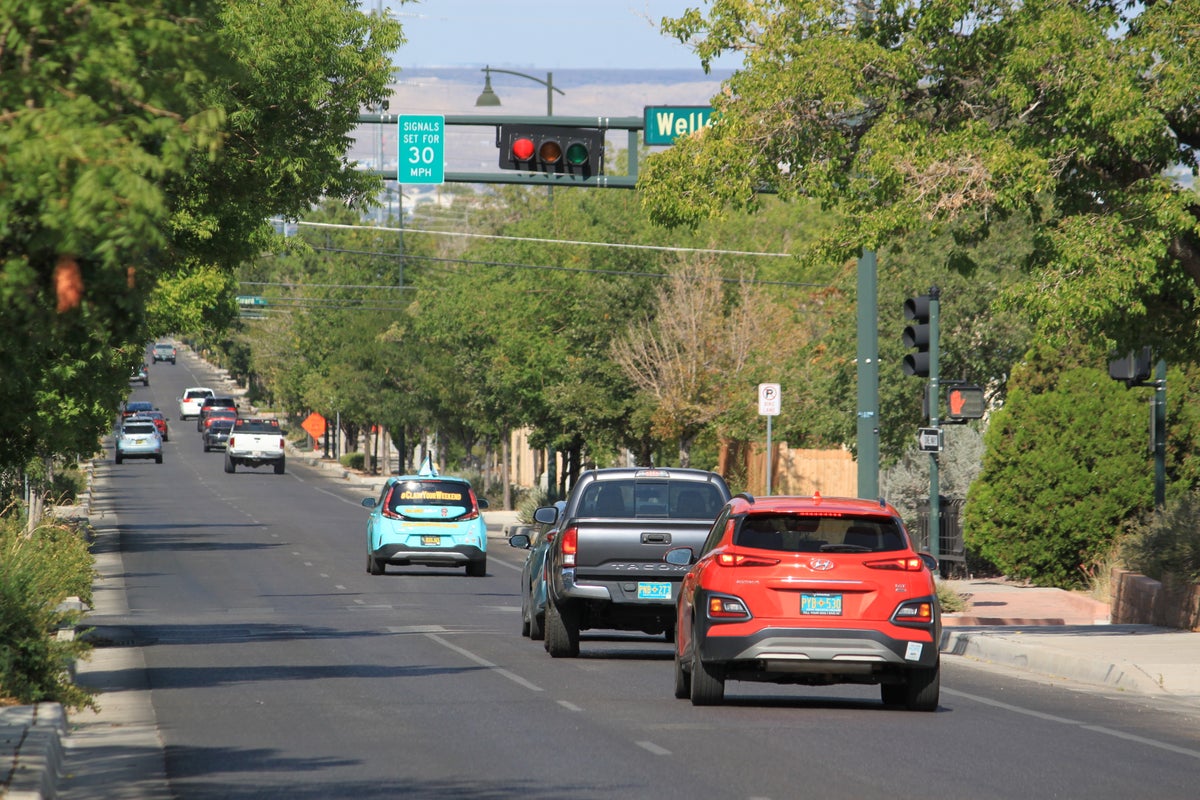
Select U.S. Cities Implement Incentive Programs to Encourage Safer Driving
Some municipalities are testing traffic management strategies that reward drivers who maintain safe speeds with more frequent green lights. This approach shifts the focus from traditional punitive measures to positive reinforcement for traffic law compliance.
A small number of cities in the United States have begun experimenting with traffic signal technology designed to reward drivers who adhere to speed limits. Rather than relying solely on traffic tickets or fines to deter reckless driving, these programs use sensors to detect vehicles traveling at or below the speed limit, adjusting signal timing to ensure those drivers encounter fewer red lights.
The initiative represents a shift in urban traffic management philosophy, moving away from a purely punitive model toward one that incentivizes safe behavior. Proponents of the strategy argue that by creating a 'green wave' for law-abiding motorists, cities can naturally reduce the frequency of high-speed crashes and improve overall traffic flow. By rewarding compliance, officials hope to encourage a more consistent and predictable driving environment.
While the concept is gaining traction as a novel solution to road safety, it remains in the early stages of implementation. The effectiveness of these systems in reducing long-term accident rates is still being evaluated. Critics of such programs often point to the potential for increased complexity in traffic signal coordination and the possibility that drivers might attempt to manipulate their speed to time the lights, though current data on these specific outcomes remains limited.
📡 Media Analysis
How each outlet framed the story — angles, word choices, and what they chose to push or ignore.
Framed the program as a progressive, innovative solution to road safety issues.
"rewarding law-abiding drivers rather than just punishing the lead-footed ones"
✓ Only outlet to report: Identified the core mechanism as a shift from punitive measures to positive reinforcement.
🔍 What Nobody's Reporting
- ·Lack of specific data regarding which cities are participating in the pilot programs.
- ·Absence of information regarding the potential costs or infrastructure requirements for these signal systems.
- ·No mention of potential safety risks, such as drivers accelerating to catch a green light.
📰 Sources
0 A-rated source(s) among 1 total. Lowest trust: The Independent (B)