
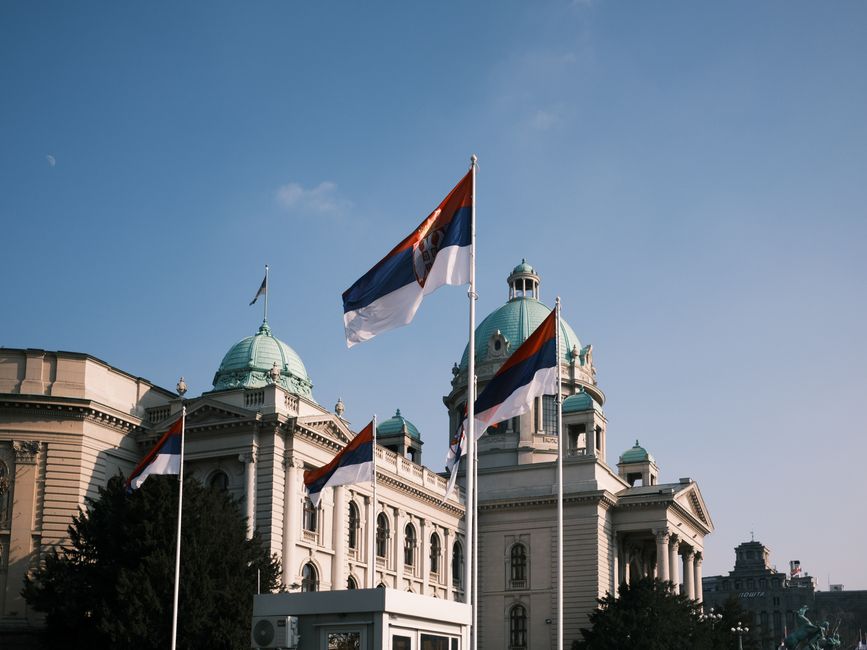
Serbian President Dissolves Parliament Ahead of Scheduled Snap Elections
Serbian President Aleksandar Vucic has formally dissolved the national parliament, clearing the way for early parliamentary elections. The move follows months of political pressure and public demonstrations calling for a change in government leadership.
Serbian President Aleksandar Vucic officially signed a decree to dissolve the national parliament, triggering a snap election process. This decision comes after a period of significant political instability and widespread protests that have challenged the current administration's grip on power. The dissolution of the legislative body is a constitutional requirement that precedes the scheduling of new parliamentary votes.
While the government maintains that these elections are necessary to seek a fresh mandate and ensure political stability, opposition groups have long demanded early polls as a means to address concerns regarding democratic standards and government transparency. The timing of these elections is critical, as the country navigates ongoing regional tensions and complex negotiations regarding its international relations.
Because only one source was provided for this synthesis, there is a lack of conflicting accounts regarding the specific motivations behind the dissolution. However, the political landscape in Serbia remains deeply polarized, with the government framing the election as a democratic necessity, while critics often characterize such maneuvers as attempts to consolidate power during periods of civil unrest. The upcoming election cycle is expected to be a significant test for the ruling party, which has faced mounting criticism over its handling of recent national crises. The formal dissolution marks the beginning of a campaign period that will likely be defined by intense debate over the country's future direction and its path toward European integration.
📡 Media Analysis
How each outlet framed the story — angles, word choices, and what they chose to push or ignore.
Provided a brief, factual announcement of the dissolution without deep political context.
"snap elections called"
⚡ Where Sources Disagree
- ·None identified, as only one source was provided for analysis.
🔍 What Nobody's Reporting
- ·Lack of specific dates for the upcoming elections.
- ·Absence of statements from major opposition party leaders regarding the dissolution.
- ·No context provided on the specific legislative issues that triggered the dissolution.
📰 Sources
1 A-rated source(s) among 1 total. Lowest trust: DW (A)