
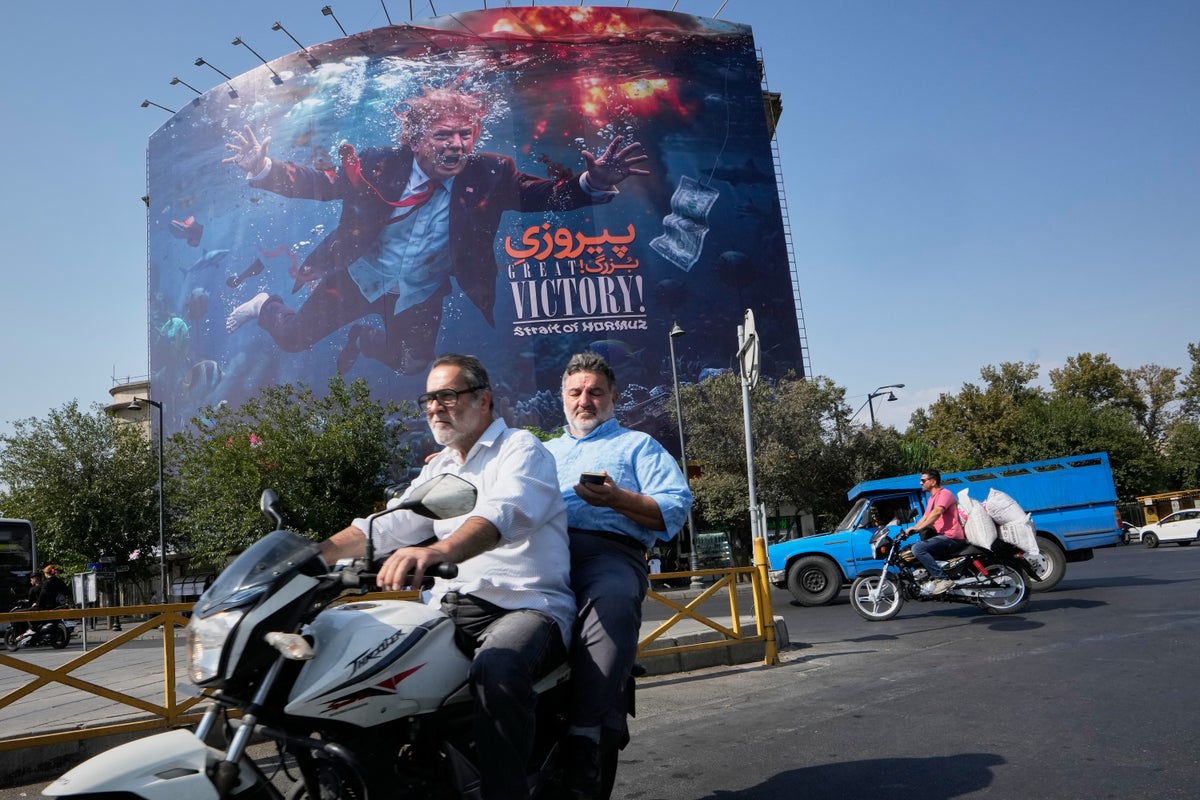
Six Months Into Conflict, Iran's Regional Role Remains a Point of Strategic Debate
Six months after the onset of intensified regional conflict involving Iran, analysts are assessing the long-term shifts in Middle Eastern power dynamics. The outcomes have diverged significantly from the initial strategic objectives anticipated by the United States and Israel.
Six months into the current period of heightened regional tension, the geopolitical landscape of the Middle East has undergone significant shifts. While the United States and Israel initially sought to contain or diminish Iranian influence through their strategic responses, observers note that the results have not aligned with those original goals. The conflict has instead fostered a more complex environment, complicating traditional alliances and security frameworks.
There is a notable disagreement regarding the current state of regional stability. Some analysts argue that the conflict has successfully exposed the vulnerabilities of Iranian-backed networks, while others contend that the ongoing instability has only served to embolden these groups and increase Iran’s regional leverage. The Independent reports that the architects of the current policy failed to achieve their intended outcomes, suggesting that the strategic calculus behind the initial military and diplomatic maneuvers did not account for the resilience of existing regional power structures. Conversely, other perspectives often emphasize the necessity of the current posture as a deterrent against further escalation, regardless of the immediate geopolitical costs. As the situation continues to evolve, the long-term impact on the Middle East remains a subject of intense debate among international relations experts, with little consensus on whether the current trajectory serves the long-term interests of the involved nations.
📡 Media Analysis
How each outlet framed the story — angles, word choices, and what they chose to push or ignore.
Argues that the strategic objectives of the U.S. and Israel have failed to materialize as intended.
"not in the way its architects had hoped"
⚡ Where Sources Disagree
- ·Whether the current regional conflict has weakened or strengthened Iran's strategic position.
- ·Whether the policy objectives of the U.S. and Israel were realistic or fundamentally flawed from the outset.
🔍 What Nobody's Reporting
- ·Lack of specific data or examples regarding which 'architects' are being referenced.
- ·Absence of input from Iranian state media or regional proxies to provide a counter-perspective.
📰 Sources
0 A-rated source(s) among 1 total. Lowest trust: The Independent (B)