
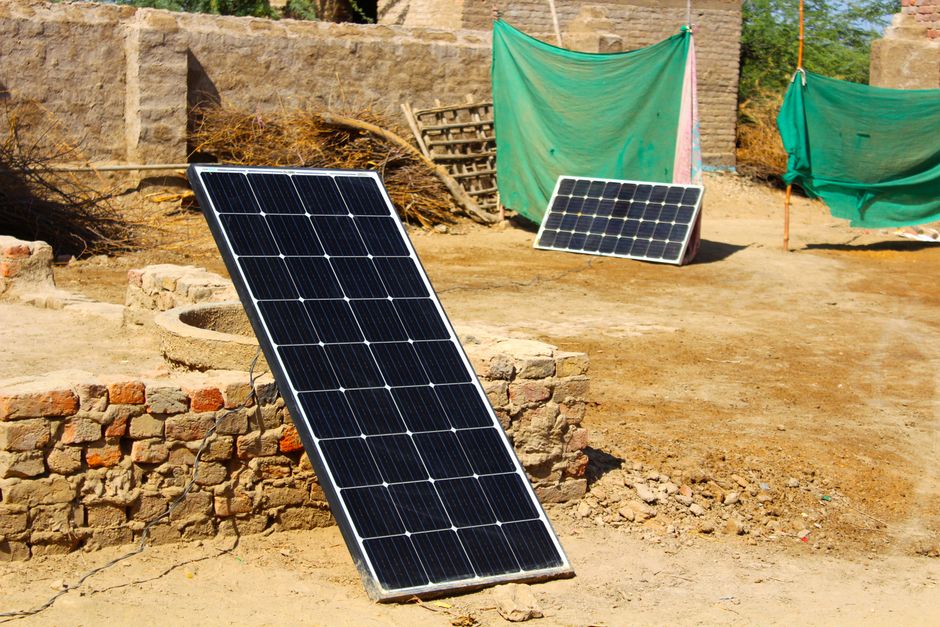
Solar Energy Initiatives Increase Income for Rural Women in Ayodhya
Solar power projects in Ayodhya are providing rural women with new economic opportunities. These initiatives aim to increase household incomes through sustainable energy adoption.
In Ayodhya, India, new solar power initiatives are being implemented to support rural women by providing them with tools to increase their personal and household incomes. By transitioning to solar energy, these women are gaining access to reliable power sources that facilitate small-scale business operations and reduce dependency on traditional, often more expensive or unreliable, energy grids.
The shift toward solar technology is part of a broader effort to integrate sustainable development with economic empowerment in rural regions. Proponents of the program suggest that the availability of solar energy allows women to extend their working hours and engage in productive activities that were previously limited by lack of electricity. While the specific mechanics of the business models—such as whether these are cooperative-based or individual micro-enterprises—are not detailed in current reports, the focus remains on the measurable increase in financial stability for participants.
This development highlights a growing trend in rural India where decentralized renewable energy is used as a catalyst for social and economic change. By empowering women through technology, local organizations and government bodies aim to foster self-sufficiency. As these projects continue to expand, the long-term impact on the local economy and the scalability of these solar-powered business models will likely be a subject of further observation.
📡 Media Analysis
How each outlet framed the story — angles, word choices, and what they chose to push or ignore.
Provided a brief, positive headline-level summary of the economic benefits without offering in-depth analysis.
"boost their incomes"
🔍 What Nobody's Reporting
- ·Lack of specific data regarding the scale of the project or the number of women impacted.
- ·No information provided on the funding sources or the specific technology being deployed.
- ·Absence of critical perspectives or potential challenges faced by the participants.
📰 Sources
0 A-rated source(s) among 1 total. Lowest trust: India Today (B)