
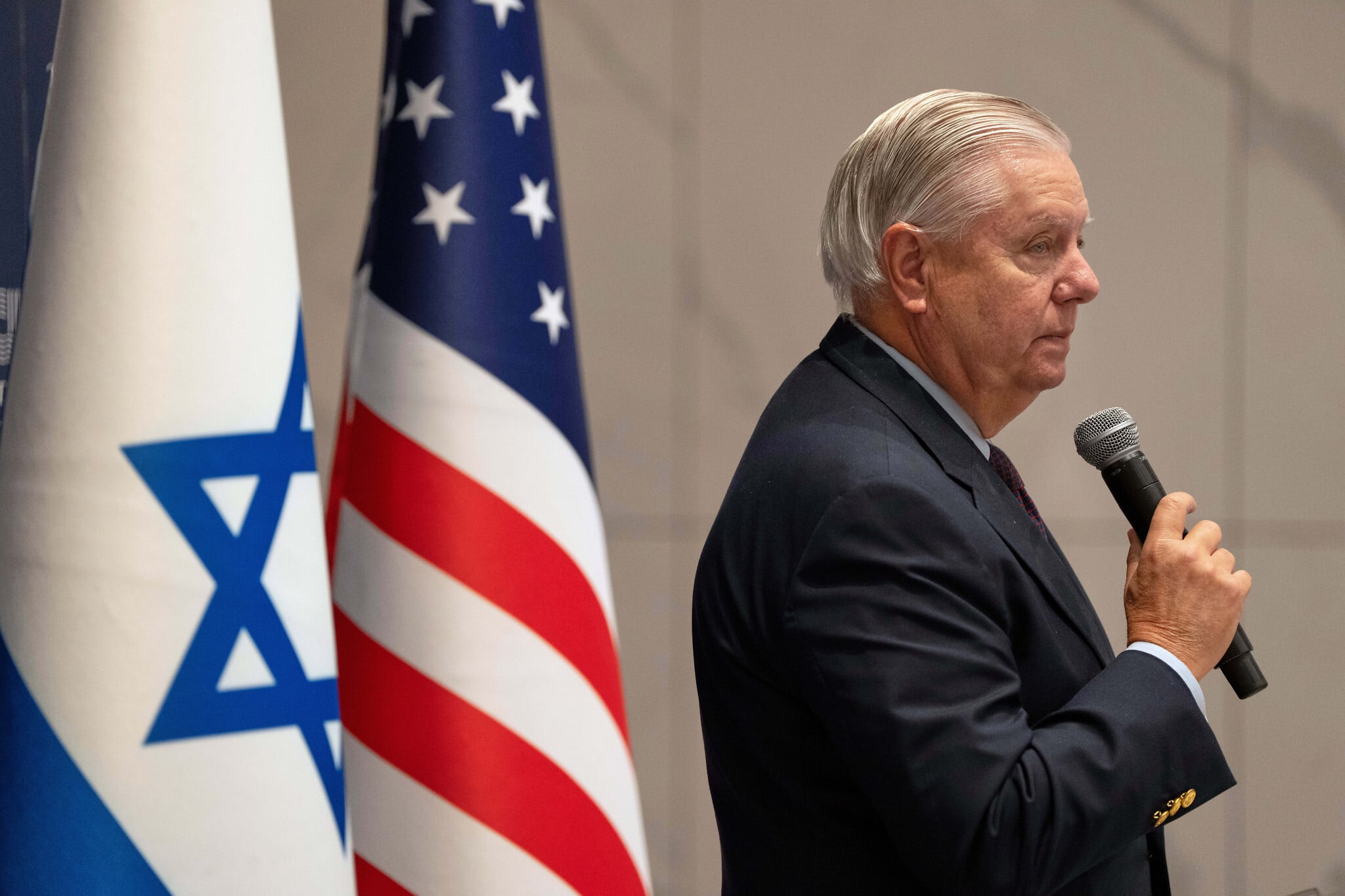
South Carolina Senate Special Election Outlook and Foreign Policy Stance
South Carolina is holding a special election for a Senate seat currently held by an appointee of former President Trump. While the race features eight challengers, the candidates' stances on Israel have not emerged as a central campaign issue.
South Carolina is currently navigating a special election for a U.S. Senate seat. The seat is presently occupied by an appointee of former President Donald Trump, who was selected to fill the vacancy left by the late senator. The incumbent is facing a crowded field of eight challengers as the state prepares to determine who will serve the remainder of the term.
While the political landscape in South Carolina is often defined by strong stances on foreign policy, the current campaign has notably avoided focusing on Israel. Analysts suggest that while the eventual Republican nominee is expected to maintain a pro-Israel voting record, they are unlikely to mirror the specific hawkish foreign policy approach associated with Senator Lindsey Graham. The lack of debate on international affairs suggests that domestic issues remain the primary driver for voters in this cycle. Because the race involves a wide array of candidates, the specific policy nuances of each challenger remain largely unexamined in the broader media discourse, leaving the electorate to weigh the candidates based on their broader party platforms rather than specific foreign policy agendas.
📡 Media Analysis
How each outlet framed the story — angles, word choices, and what they chose to push or ignore.
Focused on the candidate's potential foreign policy alignment with Israel rather than domestic campaign issues.
"no Lindsey Graham"
✓ Only outlet to report: Identified that the candidate's stance on Israel is not currently a campaign issue.
🔍 What Nobody's Reporting
- ·Lack of information regarding the specific policy platforms of the eight challengers.
- ·Absence of data on voter priorities in the special election.
📰 Sources
0 A-rated source(s) among 1 total. Lowest trust: Times of Israel (B)