
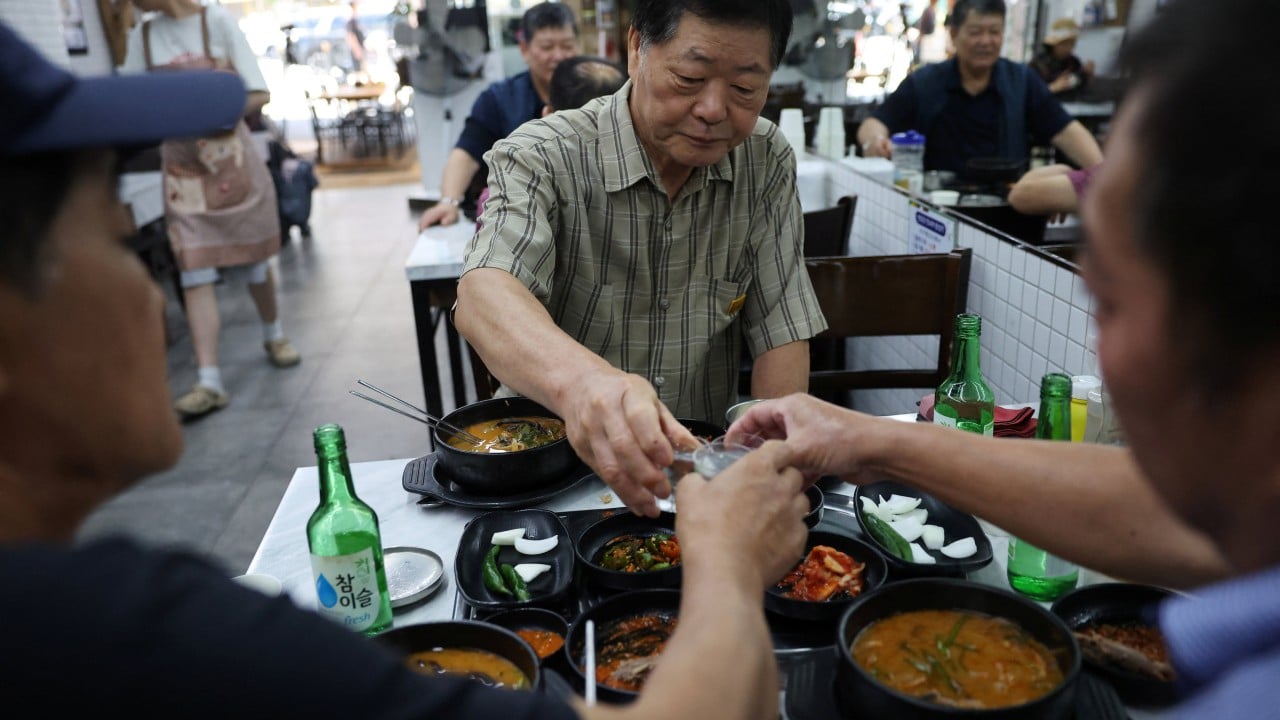
South Korea Marks Final 'Boknal' Before Nationwide Dog Meat Ban
South Korea observed the final 'boknal'—the hottest days of summer—before a national ban on the dog meat trade takes effect in 2027. The upcoming legislation will prohibit the breeding, slaughter, and sale of dogs for human consumption.
As South Korea observed the third and final 'boknal' of 2026, the traditional practice of consuming dog meat to combat summer heat faced a definitive turning point. For generations, these three specific days of summer have been peak business periods for restaurants serving dog meat, which is historically viewed in some circles as a stamina-boosting tonic. However, this year’s observance carried a sense of finality due to upcoming government regulations.
In early 2027, a nationwide ban on the dog meat industry will take full effect, outlawing the breeding, slaughter, and commercial sale of dogs for meat. The legislation represents a significant shift in South Korean cultural and dietary habits, reflecting changing public attitudes toward animal welfare. Locations like the Moran Market in Seongnam, which historically served as central hubs for the trade, are now navigating the transition as the deadline approaches. While some patrons continue to seek out the dish during these final summer days, the industry is effectively entering its concluding phase as the legal prohibition looms.
📡 Media Analysis
How each outlet framed the story — angles, word choices, and what they chose to push or ignore.
Focused on the cultural transition and the historical context of the practice.
"sense of finality"
✓ Only outlet to report: Identified the Moran Market in Seongnam as a focal point for the industry's decline.
🔍 What Nobody's Reporting
- ·Lack of perspective from animal rights activists who campaigned for the ban.
- ·Absence of information regarding the government's compensation or transition plans for affected business owners.
📰 Sources
0 A-rated source(s) among 1 total. Lowest trust: SCMP (B)