
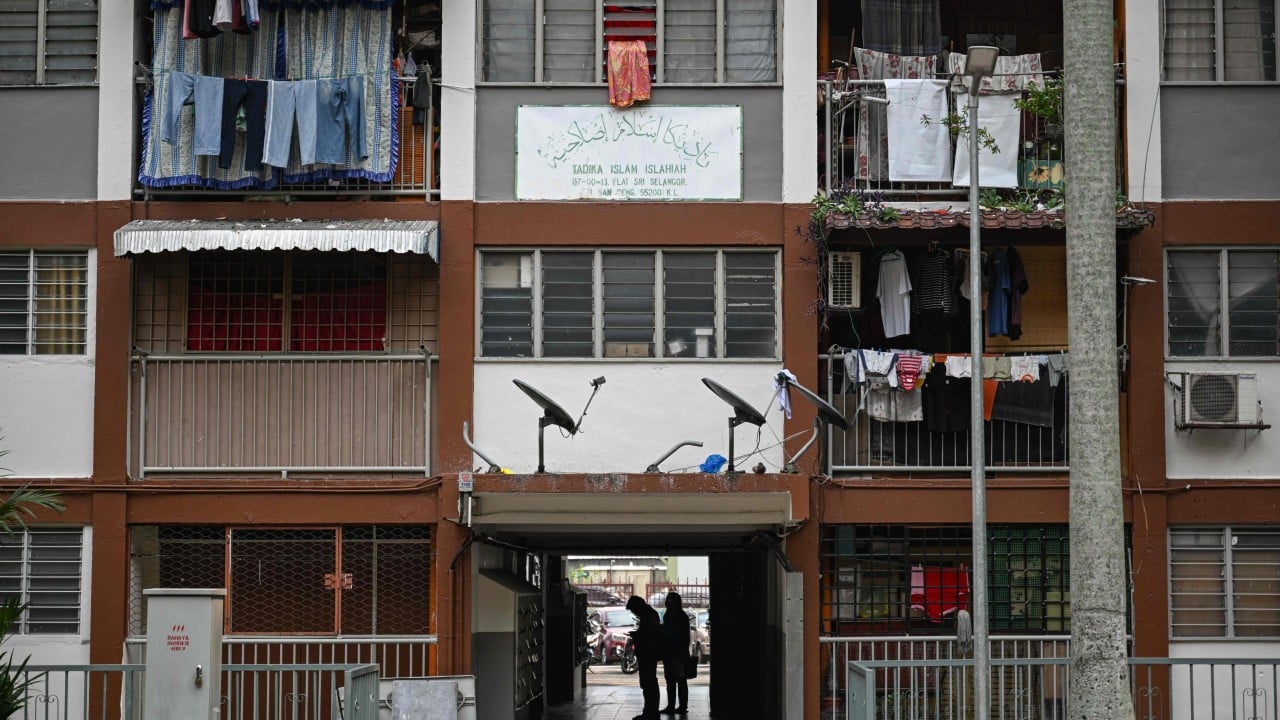
Southeast Asia faces housing market mismatch between supply and affordability
Southeast Asian property markets are experiencing a paradox where unsold housing inventory grows alongside a persistent lack of affordable options for first-time buyers. Analysts attribute this disconnect to speculative investment, financing difficulties, and poor project locations.
A significant housing market imbalance has emerged across Southeast Asia, characterized by a surplus of unsold residential properties occurring simultaneously with a severe shortage of affordable homes for young, first-time buyers. While developers report difficulty clearing existing housing stock, market analysts suggest that the inventory being built does not align with the financial realities or needs of the local population.
Experts point to several structural issues driving this trend. Speculative investment has historically incentivized the construction of high-end or luxury units, which often remain vacant as investors hold them as assets rather than residences. Furthermore, stringent financing hurdles make it difficult for average earners to secure mortgages, effectively locking them out of the market. Location also plays a critical role; many of the vacant units are situated in areas that lack the necessary infrastructure or proximity to employment hubs that young professionals require. Consequently, the region faces a dual crisis: developers are burdened with stagnant assets, while a generation of potential homeowners remains unable to enter the property market due to the high cost of available units.
📡 Media Analysis
How each outlet framed the story — angles, word choices, and what they chose to push or ignore.
Focused on the structural economic mismatch between developer output and consumer purchasing power.
"housing paradox"
✓ Only outlet to report: Identified Vietnam as a specific geographic example of the broader regional trend.
⚡ Where Sources Disagree
- ·None identified; the source provides a singular analysis of the market trend.
🔍 What Nobody's Reporting
- ·Lack of specific data or statistics quantifying the number of unsold units.
- ·Absence of government policy perspectives or potential legislative solutions being considered in the region.
📰 Sources
0 A-rated source(s) among 1 total. Lowest trust: SCMP (B)