
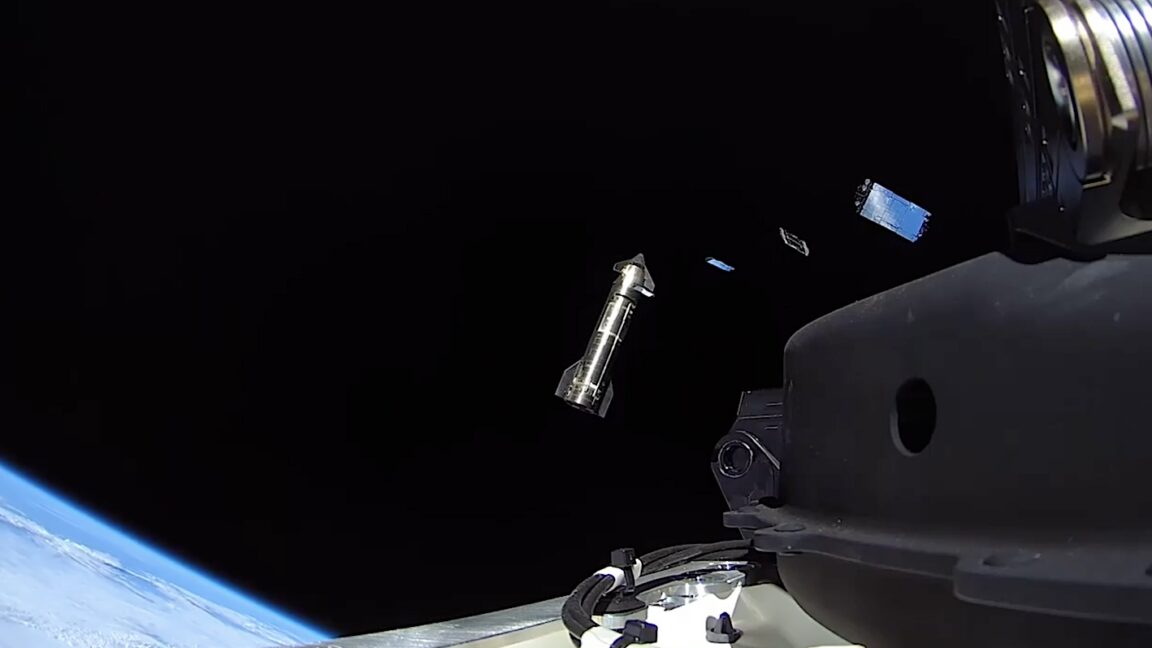
SpaceX Advocates for Improved Orbital Coordination Following Recent Close Encounters
SpaceX has publicly called for enhanced traffic management in space after experiencing several near-miss incidents involving its Starlink satellites. The company cited specific instances where satellites came within tens to hundreds of meters of other objects.
SpaceX is pushing for more robust coordination protocols for orbital traffic following a series of close-proximity events involving its Starlink satellite constellation. According to company reports, these incidents resulted in conjunctions—instances where two objects pass dangerously close to one another—ranging from tens to hundreds of meters.
While space is vast, the increasing number of satellites in low Earth orbit has raised concerns regarding the potential for collisions. SpaceX characterizes these recent near-misses as "way too close to comfort," highlighting the growing difficulty of managing traffic as the density of objects in orbit increases. The company’s call for better coordination suggests a need for standardized communication and maneuver protocols among satellite operators to mitigate the risk of debris-generating collisions.
Currently, there is no centralized, mandatory traffic control system for space comparable to air traffic control for aviation. Operators rely on a mix of voluntary data sharing and automated collision avoidance systems. SpaceX’s statement underscores the limitations of the current "honor system" approach and signals that the company views the status quo as insufficient for maintaining safety in an increasingly crowded orbital environment. The company has not yet detailed specific regulatory changes it is seeking, but the call for action reflects a broader industry recognition that current orbital management practices are struggling to keep pace with the rapid deployment of large-scale satellite constellations.
📡 Media Analysis
How each outlet framed the story — angles, word choices, and what they chose to push or ignore.
Focused on the technical urgency of orbital safety and the company's internal assessment of risk.
"Way too close to comfort"
✓ Only outlet to report: Directly quoted SpaceX's internal assessment of the proximity of recent conjunctions.
⚡ Where Sources Disagree
- ·There are no direct contradictions between sources as only one source was provided.
🔍 What Nobody's Reporting
- ·Lack of perspective from other satellite operators or regulatory bodies like the FCC or FAA.
- ·No mention of whether these near-misses involved other commercial satellites, government assets, or space debris.
📰 Sources
1 A-rated source(s) among 1 total. Lowest trust: Ars Technica (A)