
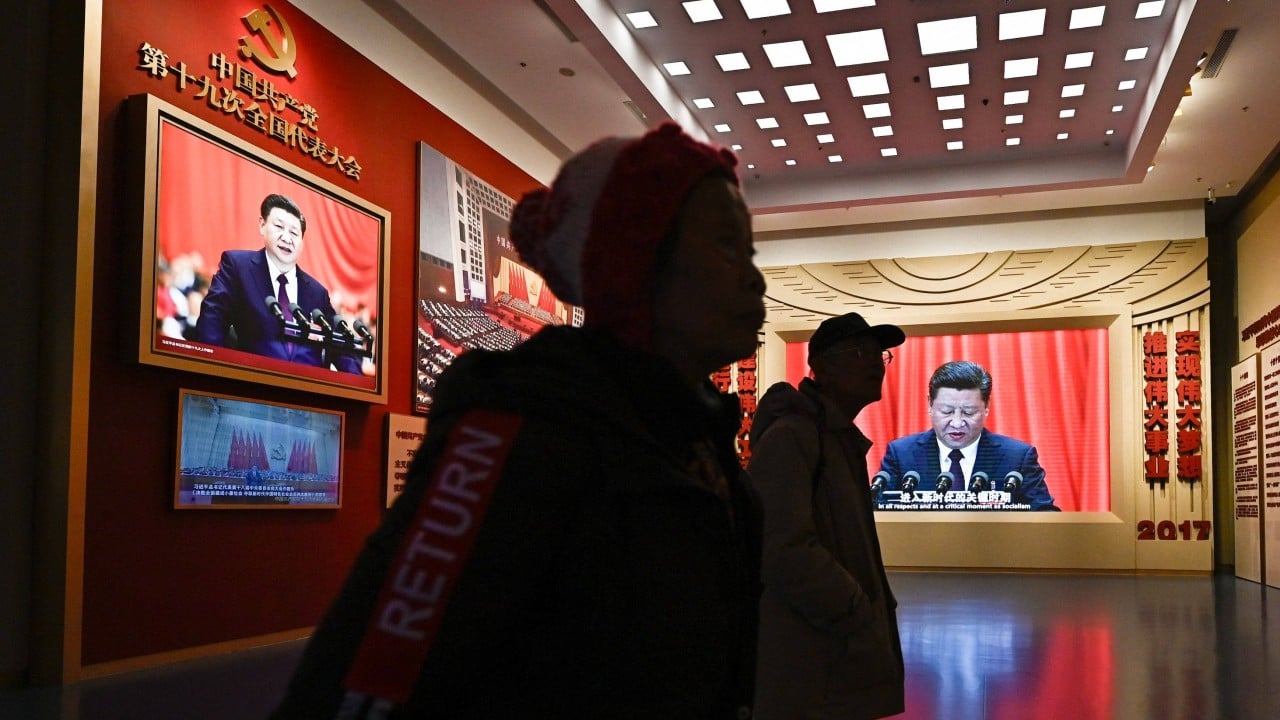
State Media Highlights Importance of Centralized Leadership Based on Long March History
A recent article in the Chinese Communist Party's official publication uses the historical Long March to argue for the necessity of a strong, centralized leadership core. The piece emphasizes that party unity and the effective execution of orders depend on upholding this central authority.
In a recent commentary published by the Chinese Communist Party’s official media, Xie Chuntao, vice-president of the Central Party School, reflected on the historical significance of the Long March. The article posits that the primary lesson from this period of revolutionary history is the requirement for a unified, authoritative leadership structure within the party.
According to the state-backed report, the party’s ability to function effectively is directly tied to the establishment and maintenance of a 'core' leadership. The text argues that historical precedent demonstrates that party unity is only possible when members resolutely uphold this central authority. By framing the Long March as a foundational example of organizational discipline, the commentary serves to reinforce the current necessity for centralized control and the strict adherence to party directives. The article explicitly states that without such a core, the party would struggle to carry out its objectives or maintain the cohesion required for governance.
📡 Media Analysis
How each outlet framed the story — angles, word choices, and what they chose to push or ignore.
Reported on the state media's narrative without challenging the historical interpretation or the political implications.
"mouthpiece"
✓ Only outlet to report: Identified Xie Chuntao, vice-president of the Central Party School, as the author of the commentary.
🔍 What Nobody's Reporting
- ·Lack of independent historical analysis regarding the actual events of the Long March.
- ·Absence of critical perspectives or alternative interpretations of the party's leadership structure.
📰 Sources
0 A-rated source(s) among 1 total. Lowest trust: SCMP (B)