
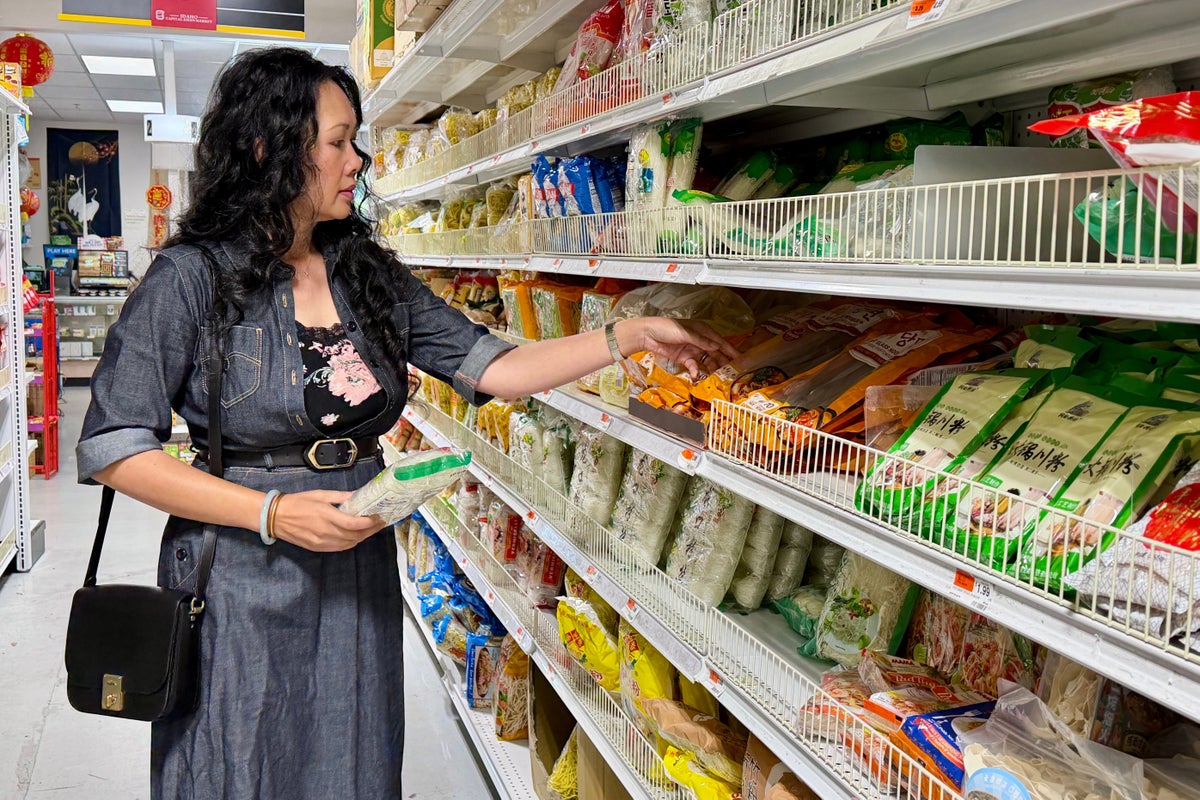
Strategies for diversifying home cooking using international supermarket ingredients
International supermarkets offer an accessible way to combat repetitive meal planning and kitchen burnout. These stores provide unique ingredients that can refresh home cooking without requiring a significant financial investment.
For many home cooks, the daily task of planning and preparing dinner can lead to a sense of fatigue, often referred to as 'kitchen burnout.' A common solution suggested for those looking to break this cycle is to explore international supermarkets. These retailers often stock a wider variety of spices, produce, and pantry staples that are not typically found in standard grocery chains.
By incorporating ingredients from different culinary traditions, cooks can introduce new flavors and techniques into their routine. This approach is presented as a cost-effective method for variety, as many international markets offer competitive pricing on bulk spices and fresh produce. The shift in routine is intended to make the process of cooking feel less like a chore and more like an opportunity for experimentation. While the primary focus is on culinary variety, the practice also serves as a way to support smaller, niche retailers that specialize in global food products. The transition from standard meal planning to a more diverse approach does not necessarily require advanced culinary skills, but rather a willingness to experiment with new flavor profiles and ingredients found in these specialized aisles.
📡 Media Analysis
How each outlet framed the story — angles, word choices, and what they chose to push or ignore.
Focused on personal lifestyle management and the accessibility of global food culture.
"impossible task"
🔍 What Nobody's Reporting
- ·Lack of discussion regarding the potential food safety or labeling transparency differences in international versus domestic markets.
- ·No mention of the environmental impact of sourcing ingredients from global supply chains.
📰 Sources
0 A-rated source(s) among 1 total. Lowest trust: The Independent (B)