
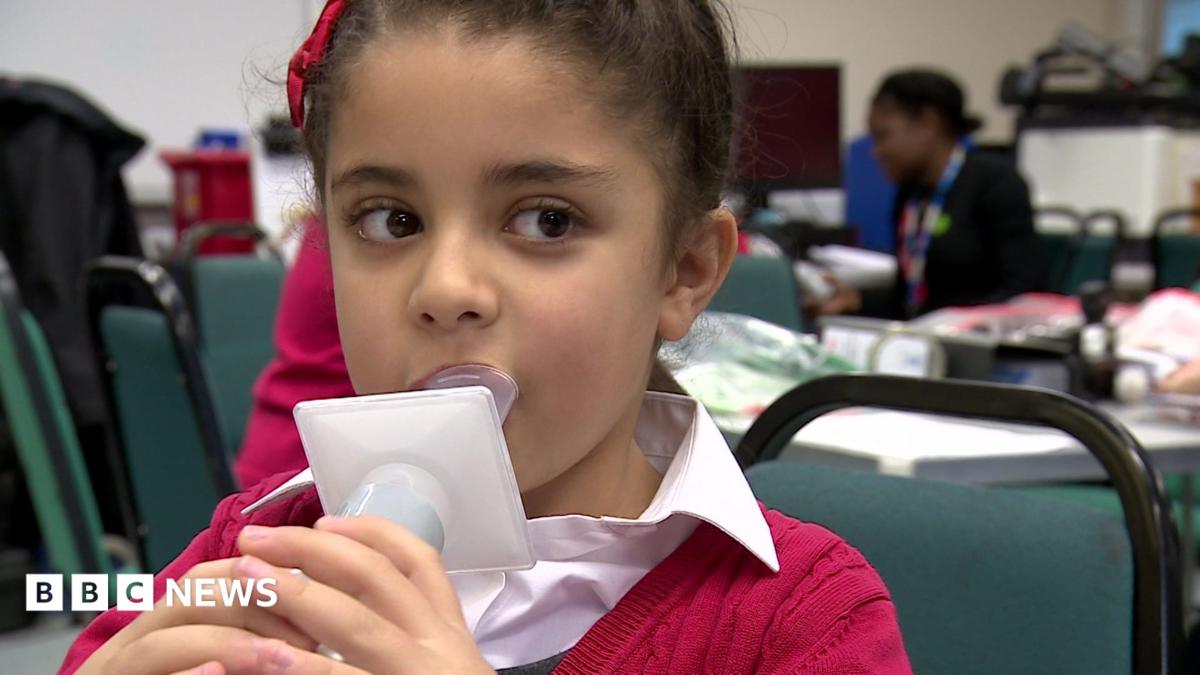
Study Finds Children's Lung Capacity Improved Following ULEZ Implementation
A new study indicates that children living in London's Ultra Low Emission Zone (ULEZ) experienced significant improvements in lung capacity after the policy was introduced. Researchers observed that these children's respiratory health caught up to that of peers living in less polluted areas.
A recent study has highlighted a positive correlation between the implementation of the Ultra Low Emission Zone (ULEZ) in London and the respiratory health of local children. According to the findings, children residing within the zone saw their lung capacity catch up to the levels of children living in areas with lower pollution levels shortly after the clean air initiative was enacted.
The research suggests that environmental policy interventions can have measurable, near-term benefits for pediatric health. By restricting high-emission vehicles, the ULEZ aimed to reduce nitrogen dioxide and particulate matter, which are known contributors to respiratory issues. The study notes that the recovery in lung function was significant enough to bridge the gap between children in high-pollution zones and those in cleaner environments.
While the study focuses on the physiological recovery of the children, it underscores the broader debate regarding the efficacy of urban air quality policies. Proponents of the ULEZ point to these findings as evidence that the economic and social costs of the zone are justified by public health outcomes. Conversely, critics of the policy have historically argued that the financial burden placed on drivers is disproportionate to the environmental gains. The study provides a specific data point in this ongoing discussion, emphasizing the tangible health benefits for the younger population living within the affected areas.
📡 Media Analysis
How each outlet framed the story — angles, word choices, and what they chose to push or ignore.
Focused on the positive health outcome of the policy while framing the results as a surprise to the scientific community.
"Scientists stunned"
🔍 What Nobody's Reporting
- ·The study's specific methodology, such as sample size and duration, was not detailed.
- ·The potential economic impact on families living within the zone was not addressed in the context of the health findings.
📰 Sources
1 A-rated source(s) among 1 total. Lowest trust: BBC News (A)