
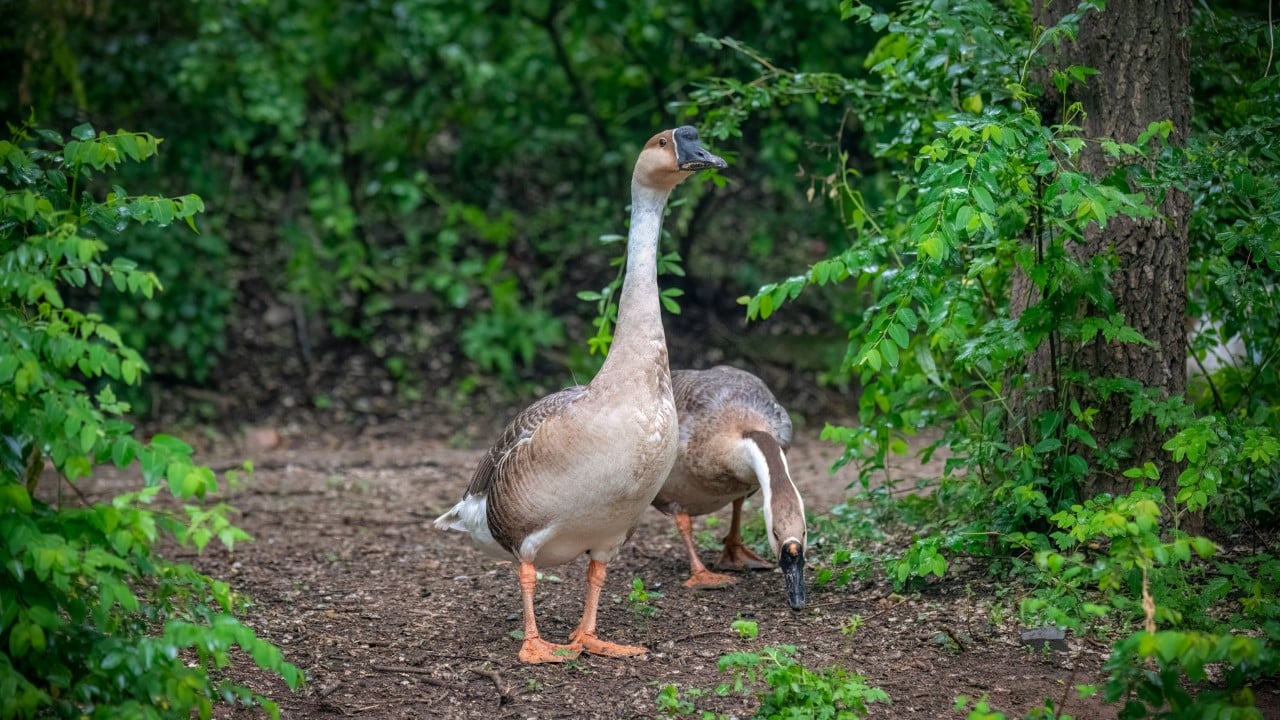
Study Finds Climate Change and Farming Created New Beijing Swan Goose Population
Researchers from the Chinese Academy of Sciences have identified a genetically distinct population of swan geese that emerged in Beijing over the last century. The study suggests this development is linked to regional environmental shifts and agricultural expansion.
A recent study conducted by the Chinese Academy of Sciences (CAS) Institute of Zoology has identified a previously unrecognized population of swan geese residing in Beijing. According to the findings, this specific group of geese is genetically distinct from other known populations and has developed unique migratory patterns over the past 100 years.
Researchers state that the emergence of this population is not a coincidence but rather a direct response to significant environmental changes that began in the early 20th century. The study highlights two primary drivers for this evolutionary shift: climate change and the expansion of agricultural development in the region. These factors altered the local landscape, creating new habitats and resources that encouraged the geese to adapt their behavior and establish a permanent presence in the area.
While the report focuses on the biological and environmental aspects of this discovery, it underscores the broader impact that human-led land use and global climate shifts can have on local wildlife populations. By analyzing the genetic makeup of these birds, scientists were able to trace their divergence from other swan goose groups, confirming that the Beijing population represents a unique evolutionary development. The study serves as an example of how human activity and environmental instability can actively reshape the biodiversity of a region within a relatively short historical timeframe.
📡 Media Analysis
How each outlet framed the story — angles, word choices, and what they chose to push or ignore.
Focused on the scientific discovery of a new animal population resulting from human-induced environmental change.
"genetically distinct"
✓ Only outlet to report: Identified the specific research body as the CAS Institute of Zoology.
🔍 What Nobody's Reporting
- ·Lack of detail regarding the specific genetic markers that distinguish this population.
- ·No information on whether this population is considered stable or endangered.
📰 Sources
0 A-rated source(s) among 1 total. Lowest trust: SCMP (B)