
Study Links North Korean Nuclear Tests to Seismic Activity Near Volcanic Site
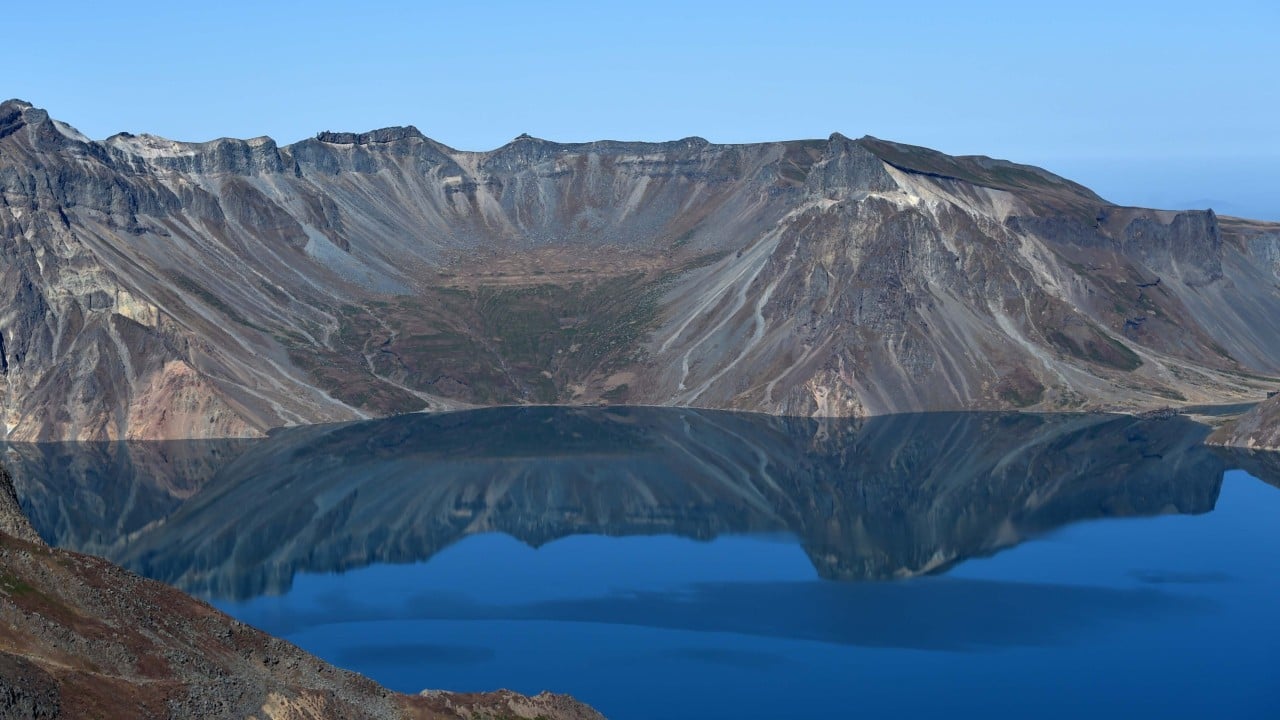
A recent study published in the journal Science suggests that North Korea's underground nuclear tests between 2013 and 2017 have destabilized local fault lines. Researchers indicate these seismic shifts extend toward Mount Paektu, a significant volcano located on the border of North Korea and China.
A joint research team from China and South Korea has released findings suggesting that North Korea’s nuclear testing program has had unintended geological consequences. According to the study, five underground nuclear explosions conducted at the Punggye-ri test site beneath Mount Mantap between 2013 and 2017 triggered a series of seismic events. These events reportedly activated ancient fault lines that reach toward Mount Paektu, a major volcano situated approximately 100 kilometers (62 miles) from the test site.
The research, published in the journal Science, highlights concerns regarding the structural integrity of the region. By analyzing seismic data following the nuclear detonations, the scientists concluded that the explosions fundamentally altered the geological stability of the area. While the Punggye-ri site has been the focus of international scrutiny due to its role in North Korea's weapons development, this study shifts the focus toward the potential environmental and geological risks posed to the surrounding border region shared by North Korea and China.
Experts involved in the study suggest that the repeated underground pressure from nuclear blasts has created a chain reaction of seismic activity. The proximity of these fault lines to Mount Paektu—a volcano historically noted for its potential for large-scale eruptions—has raised questions about whether human-induced seismic activity could influence volcanic behavior. The report serves as a scientific assessment of how military activities can impact the physical landscape, though it does not explicitly predict an imminent eruption. The findings underscore the complex relationship between regional security activities and the underlying geological stability of the Korean Peninsula.
📡 Media Analysis
How each outlet framed the story — angles, word choices, and what they chose to push or ignore.
Highlighted the environmental risk to the China-North Korea border caused by military testing.
"fundamentally altered the region’s geological"
🔍 What Nobody's Reporting
- ·Lack of comment or response from North Korean officials regarding the study's findings.
- ·Absence of independent verification from Western geological agencies to confirm the study's conclusions.
📰 Sources
0 A-rated source(s) among 1 total. Lowest trust: SCMP (B)