
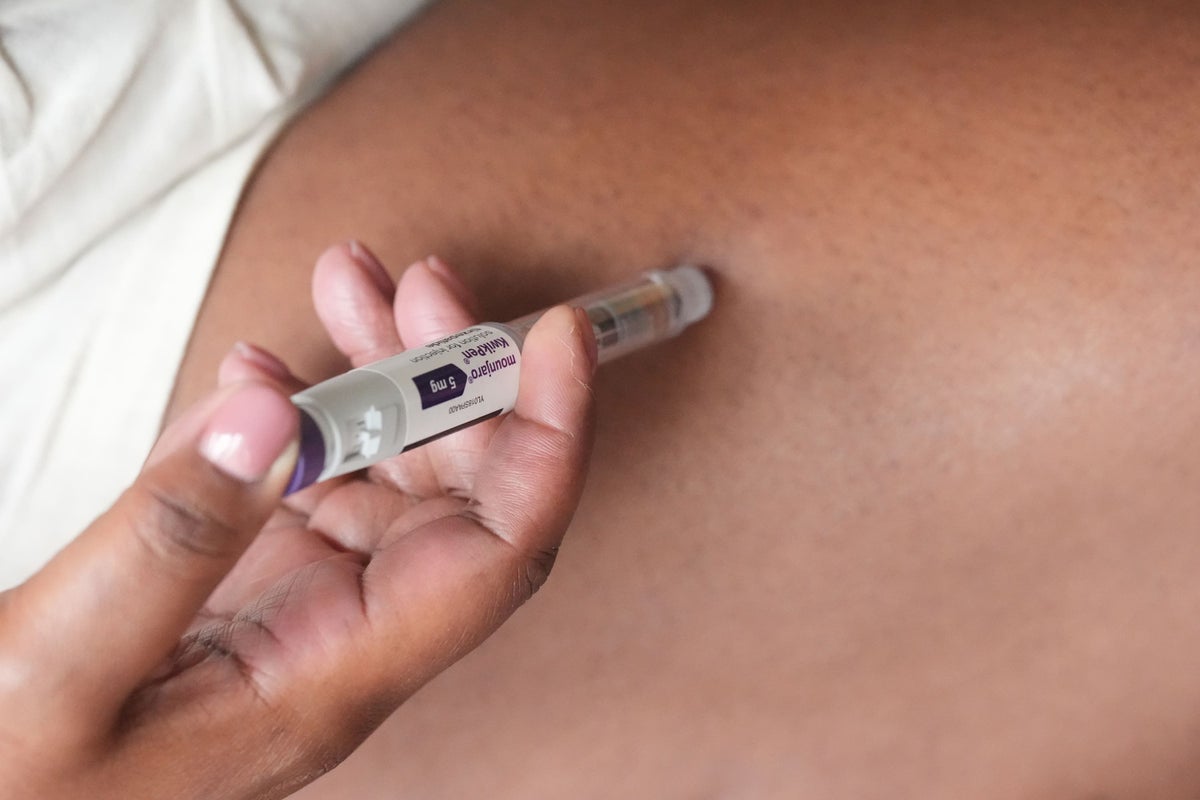
Study suggests Mounjaro may lower heart attack risk in diabetes patients
A recent study indicates that patients with type 2 diabetes taking the drug Mounjaro experienced a 33% lower risk of heart attack compared to those on other diabetes medications. The findings highlight a potential secondary health benefit for individuals managing the condition.
A new clinical study has identified a potential cardiovascular benefit for patients using Mounjaro, a medication primarily prescribed for type 2 diabetes. According to the research, individuals treated with the drug showed a 33% reduction in the likelihood of experiencing a heart attack when compared to patients using alternative diabetes treatments.
While the study focuses on the drug's impact on heart health, it is important to note that Mounjaro is currently approved for blood sugar management and weight loss. The data suggests that the medication may offer protective cardiovascular effects, though further long-term clinical trials are typically required to confirm these findings across broader demographics. The study did not specify the exact biological mechanism responsible for this reduction in risk, nor did it compare the drug against a placebo, focusing instead on a comparative analysis against existing standard-of-care diabetes medications. As with any medical study, experts generally advise that patients consult their healthcare providers before making changes to their treatment plans based on preliminary research findings.
📡 Media Analysis
How each outlet framed the story — angles, word choices, and what they chose to push or ignore.
Highlighted the positive health outcome of the drug without discussing potential side effects or limitations.
"33 per cent less likely"
🔍 What Nobody's Reporting
- ·Lack of information regarding the study's sample size or duration.
- ·Absence of data concerning potential side effects or adverse reactions observed during the study.
- ·No mention of whether the study was funded by the drug's manufacturer.
📰 Sources
0 A-rated source(s) among 1 total. Lowest trust: The Independent (B)