
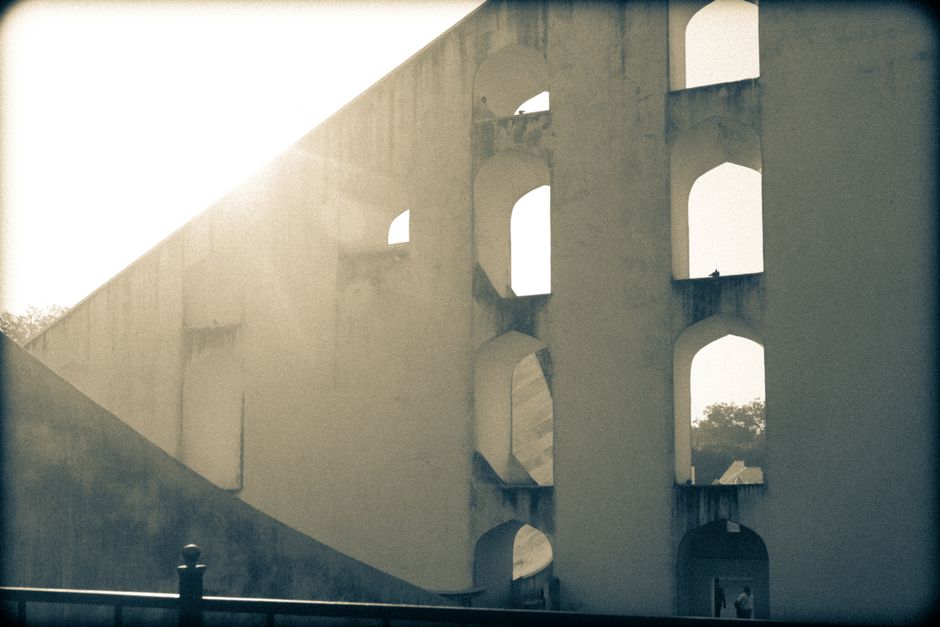
Supreme Court Reviews Future of Jantar Mantar as Delhi Protest Site
The Supreme Court is evaluating whether the historic Jantar Mantar observatory in Delhi remains a suitable location for public protests. This review follows recent government restrictions on demonstrations at the site.
Jantar Mantar, an astronomical observatory constructed in 1724, has served as a primary location for public protests in Delhi for several decades. Recently, the Supreme Court of India began examining the feasibility of maintaining the site as a designated protest hub. This judicial review coincides with ongoing debates regarding government-imposed restrictions on recent demonstrations organized by the Cockroach Janta Party.
The future of the site remains uncertain as the court weighs the historical and cultural significance of the observatory against the logistical and security challenges posed by frequent public gatherings. While the site is globally recognized for its historical role in timekeeping, its modern function as a center for political dissent has become a point of contention between activists and government authorities. The court's deliberations are expected to determine whether the site will continue to host protests or if alternative locations will be mandated to preserve the integrity of the monument.
📡 Media Analysis
How each outlet framed the story — angles, word choices, and what they chose to push or ignore.
Framed the historical site as a political battleground while linking its past to current protest restrictions.
"Clock Is Now Ticking On Its Future"
✓ Only outlet to report: Mentioned the involvement of the 'Cockroach Janta Party' in recent protests.
🔍 What Nobody's Reporting
- ·Lack of specific details regarding the legal arguments presented by the government for restricting protests.
- ·Absence of input from heritage conservationists regarding the physical impact of protests on the 1724 structure.
📰 Sources
0 A-rated source(s) among 1 total. Lowest trust: NDTV (B)