
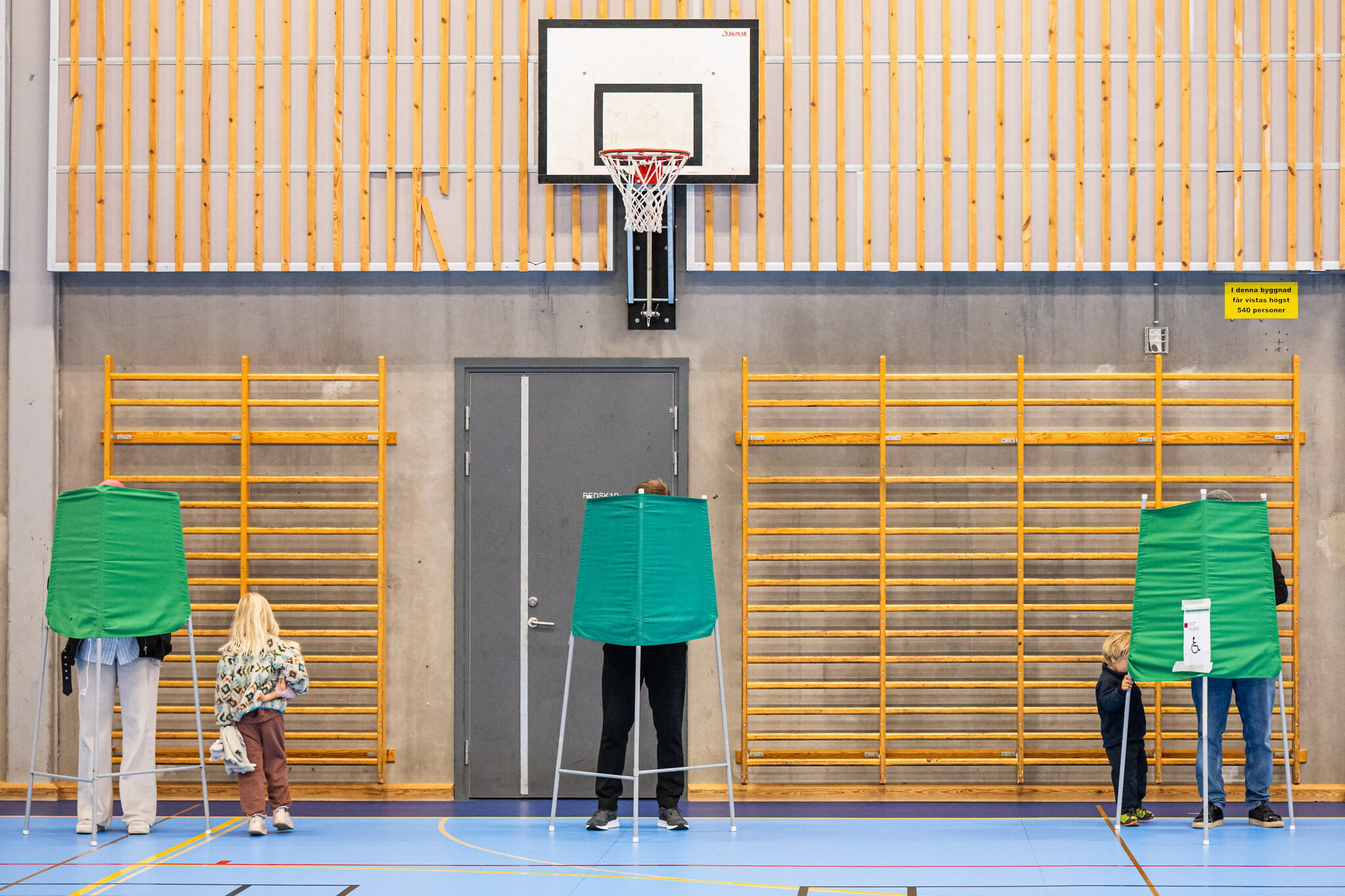
Sweden Holds General Election Amid Potential Shift Toward Right-Wing Governance
Swedish voters are heading to the polls in a high-stakes election that will determine the future influence of the anti-immigration Sweden Democrats. The outcome will decide if the party secures ministerial roles within a coalition or if the incumbent center-left government retains power.
Sweden is currently holding a general election that serves as a critical test for the country's political direction. At the center of the debate is the Sweden Democrats, a party with historical roots in the far-right that has campaigned on a platform of strict anti-immigration policies. The central question facing voters is whether this party will be granted formal ministerial roles in a new government or if the current center-left administration will successfully defend its position.
The election highlights a deep divide in Swedish politics. Supporters of the Sweden Democrats argue that their inclusion in government is necessary to address concerns regarding immigration and social integration. Conversely, critics and members of the center-left coalition warn against the influence of a party with such origins, suggesting that their participation would mark a significant and potentially harmful shift in Sweden's political landscape. While the Sweden Democrats have worked to distance themselves from their past, their policy proposals remain a major point of contention for the established political order.
Polls indicate a tight race, with neither the center-left nor the right-wing bloc holding a clear, insurmountable lead. The final result will likely depend on the performance of smaller parties and the ability of the major blocs to form a stable coalition. As voters cast their ballots, the international community is watching closely to see if Sweden will join other European nations that have seen a rise in support for nationalist and populist movements. The outcome will not only shape domestic policy but also influence Sweden's stance on broader European Union issues, particularly those related to border control and migration.
📡 Media Analysis
How each outlet framed the story — angles, word choices, and what they chose to push or ignore.
Framed the election as a binary choice between the far-right and the status quo.
"hard-right party bids for ministerial roles"
⚡ Where Sources Disagree
- ·The extent to which the Sweden Democrats have successfully moderated their platform versus their continued alignment with far-right ideology.
🔍 What Nobody's Reporting
- ·Lack of specific data on current polling numbers or the specific policy platforms of the center-left coalition.
- ·Absence of context regarding the economic factors influencing voter sentiment beyond immigration.
📰 Sources
0 A-rated source(s) among 1 total. Lowest trust: Times of Israel (B)