
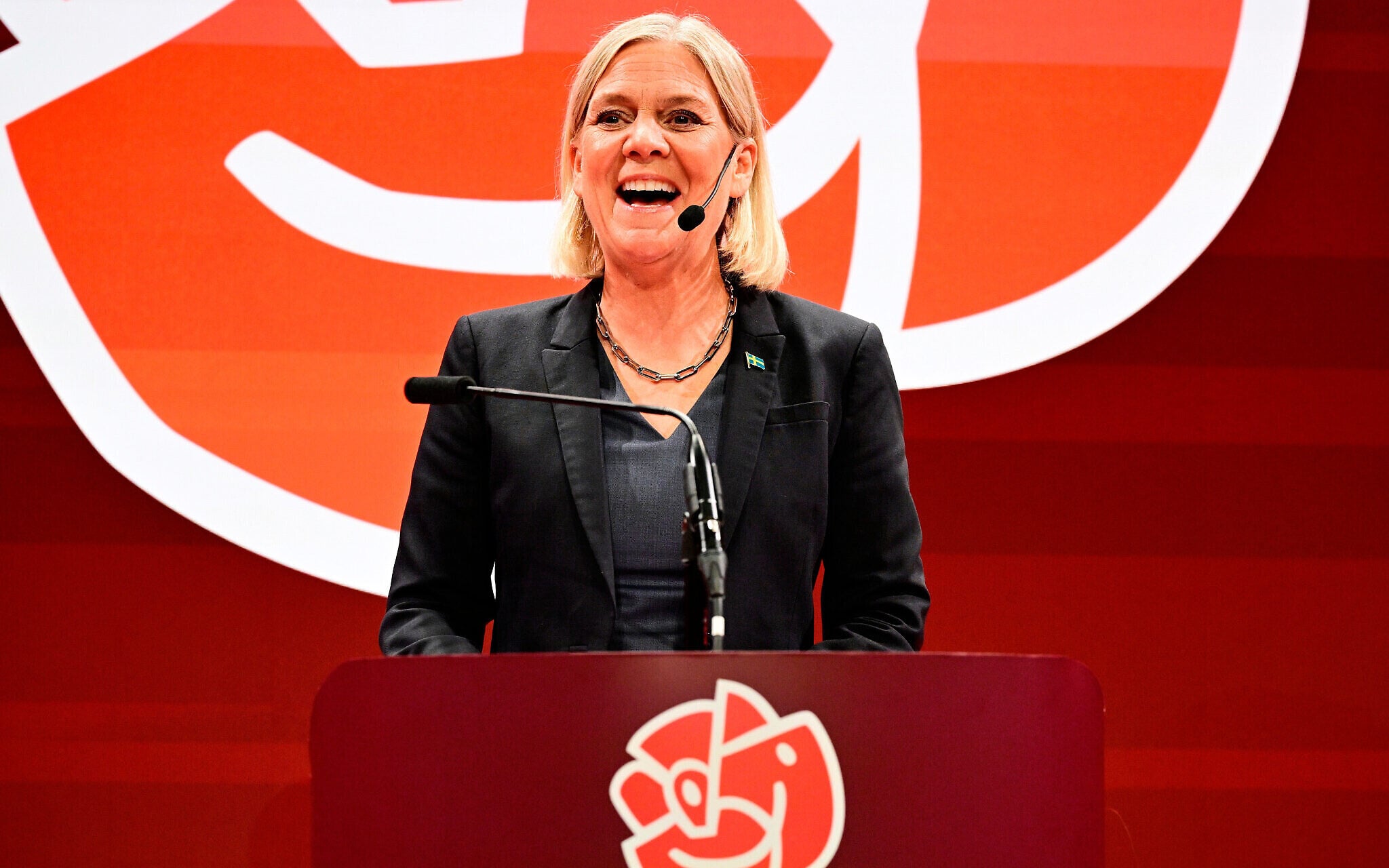
Swedish Center-Left Coalition Secures Election Victory Following Tight Contest
The incumbent Swedish Prime Minister has lost power following a narrow election result. The transition follows a campaign period marked by internal controversies regarding political alliances and allegations of antisemitism.
Sweden’s recent general election has resulted in a victory for the center-left coalition, ending the tenure of the incumbent Prime Minister. The election cycle was characterized by intense debate over potential coalition partners and the ideological history of participating parties.
A central point of contention during the campaign involved the incumbent’s previous willingness to offer ministerial positions to a far-right party with historical ties to neo-Nazi movements. This strategy drew significant criticism and became a focal point for political opponents.
Simultaneously, the center-left bloc faced its own internal challenges. The Centre Party explicitly stated it would refuse to form a governing partnership with the Left Party. This decision was prompted by the Left Party's internal struggles, specifically the need to expel members who were found to be promoting antisemitic conspiracy theories. These dual controversies—the far-right's historical roots and the Left Party's internal conduct—dominated the discourse surrounding the formation of the new government. The election results reflect a fractured political landscape where parties are struggling to balance coalition building with concerns over the extremist elements within their ranks.
📡 Media Analysis
How each outlet framed the story — angles, word choices, and what they chose to push or ignore.
Framed the election result primarily through the lens of antisemitism and extremist ties.
"marred by antisemitism accusations"
✓ Only outlet to report: Detailed the specific internal disciplinary actions taken by the Left Party regarding antisemitic conspiracies.
⚡ Where Sources Disagree
- ·The extent to which antisemitism was the primary driver of voter sentiment versus broader economic or social policy concerns.
🔍 What Nobody's Reporting
- ·Lack of data regarding the actual vote percentages or the specific seat distribution in the Swedish parliament.
- ·Absence of information regarding the economic or social policy platforms of the winning coalition.
📰 Sources
0 A-rated source(s) among 1 total. Lowest trust: Times of Israel (B)