
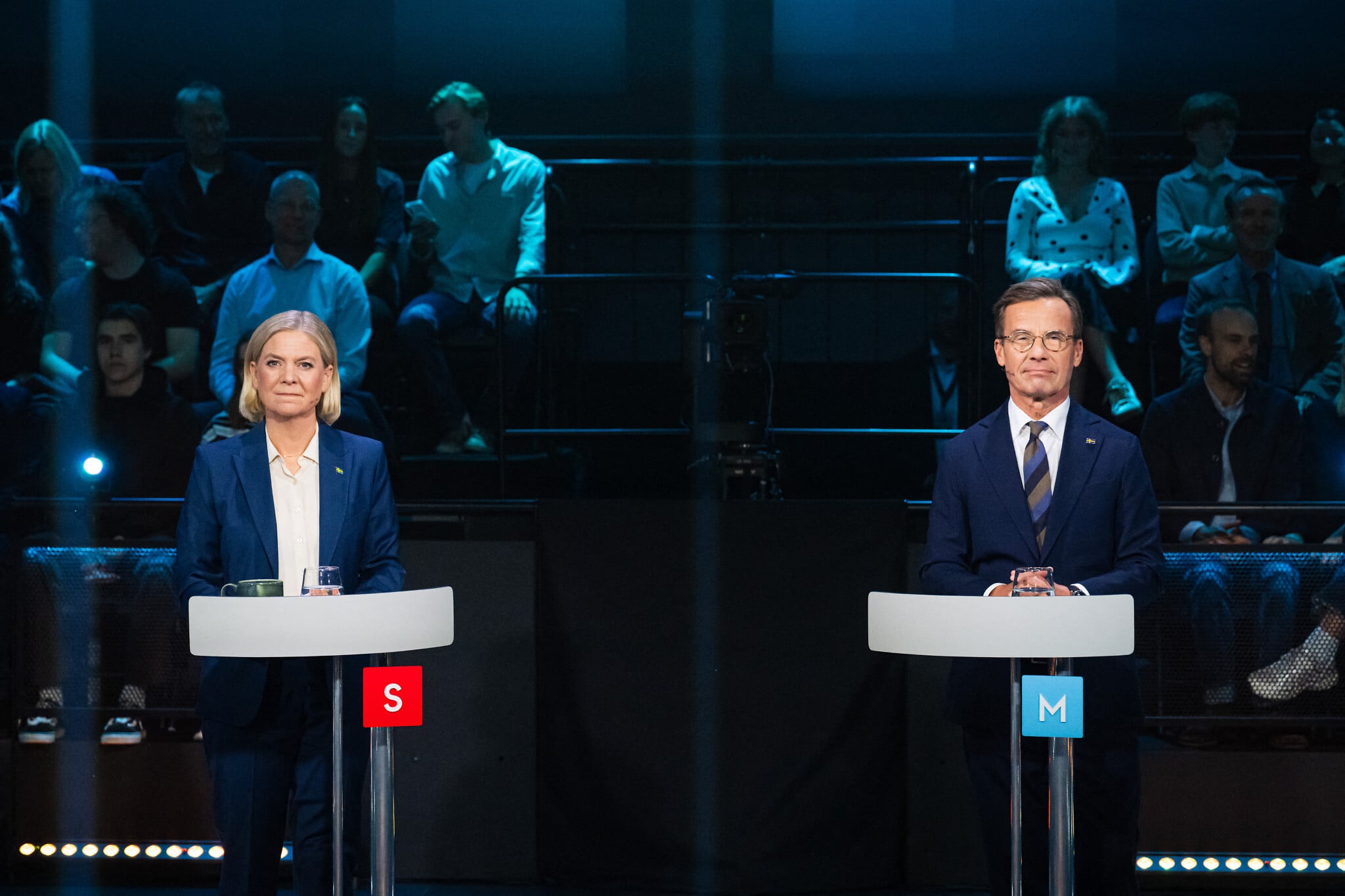
Swedish General Election Results Remain Too Close to Call
Sweden's general election has resulted in a near-dead heat between the ruling and opposition blocs, with only a single seat separating the two sides. Final results are expected by Wednesday as authorities continue to count votes from remaining districts.
Sweden’s recent general election has left the country in a state of political uncertainty as the two primary power blocs remain locked in a virtual tie. According to the Swedish election authority, with votes counted from 4,853 of the 6,312 total districts, the ruling coalition and the opposition are separated by a margin of only one seat.
Because the gap is so narrow, the final outcome of the election is not expected to be confirmed until Wednesday. The current tally suggests a shift in momentum that has surprised many observers, particularly regarding the performance of the far-right parties. While pre-election polling and political discourse often centered on the potential for significant gains by right-wing factions, current data indicates that these groups have actually lost ground compared to previous expectations.
Election officials have emphasized that the remaining districts must be processed before a definitive seat distribution can be determined. As the country waits for the final count, party leaders have refrained from declaring victory, acknowledging that the slim margin makes the formation of a stable government a complex challenge. The result highlights a deeply divided electorate, with both major blocs currently unable to secure a clear mandate to govern without further negotiation or coalition building.
📡 Media Analysis
How each outlet framed the story — angles, word choices, and what they chose to push or ignore.
Focused on the statistical closeness of the race and the unexpected performance of the far-right.
"in surprise, far right loses ground"
✓ Only outlet to report: Reported the specific number of districts counted (4,853 of 6,312) versus the total.
🔍 What Nobody's Reporting
- ·Lack of context regarding the specific policy platforms of the two competing blocs.
- ·No information on voter turnout percentages compared to previous election cycles.
📰 Sources
0 A-rated source(s) among 1 total. Lowest trust: Times of Israel (B)