
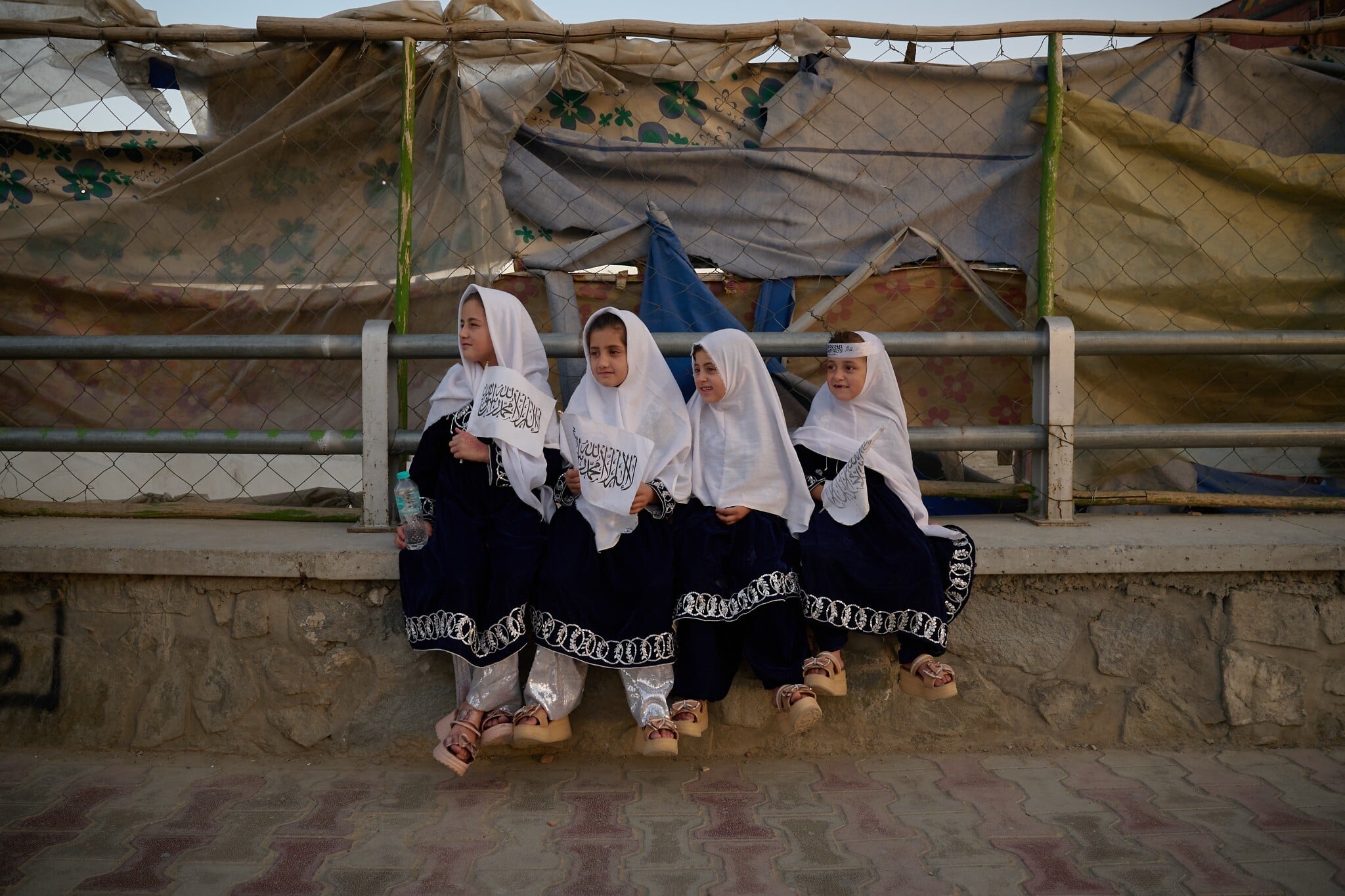
Taliban Marks Three Years Since Return to Power in Afghanistan
The Taliban recently marked the third anniversary of their return to power in Afghanistan, highlighting national stability while facing international criticism over human rights. The United Nations and global observers continue to raise concerns regarding the ongoing exclusion of women and girls from public life and education.
August 2024 marked three years since the Taliban regained control of Afghanistan following the withdrawal of U.S. and coalition forces. Taliban officials have used the anniversary to emphasize the restoration of national security and the formal end of decades of active warfare. They argue that their governance has brought a level of stability to the country that was previously absent.
Conversely, international human rights organizations and the United Nations have characterized the period as a deepening crisis for civil liberties. The primary point of contention remains the Taliban’s restrictive policies toward women and girls. Under current decrees, girls over the age of 12 are prohibited from attending school, and women are largely barred from universities and many areas of public life. While the Taliban frames these policies as internal matters consistent with their interpretation of Islamic law, the international community largely views these actions as a systematic dismantling of human rights.
There is a notable divide in how the anniversary is perceived. The Taliban government views the transition as a successful reclamation of sovereignty and a victory for national order. In contrast, global bodies and rights groups focus on the humanitarian and social costs, specifically the erasure of women from the public sphere. As the Taliban enters its fourth year of rule, the country remains largely isolated from the international community, which continues to withhold formal recognition of the government, citing the ongoing rights crisis as a primary barrier to diplomatic relations.
📡 Media Analysis
How each outlet framed the story — angles, word choices, and what they chose to push or ignore.
Focused on the contrast between Taliban claims of stability and the reality of human rights abuses.
"shut out of public life"
⚡ Where Sources Disagree
- ·Whether the current state of Afghanistan constitutes 'stability' or a 'rights crisis'.
🔍 What Nobody's Reporting
- ·Lack of perspective from Taliban officials regarding their long-term economic strategy.
- ·Absence of voices from ordinary Afghan citizens living under the current administration.
📰 Sources
0 A-rated source(s) among 1 total. Lowest trust: Times of Israel (B)