
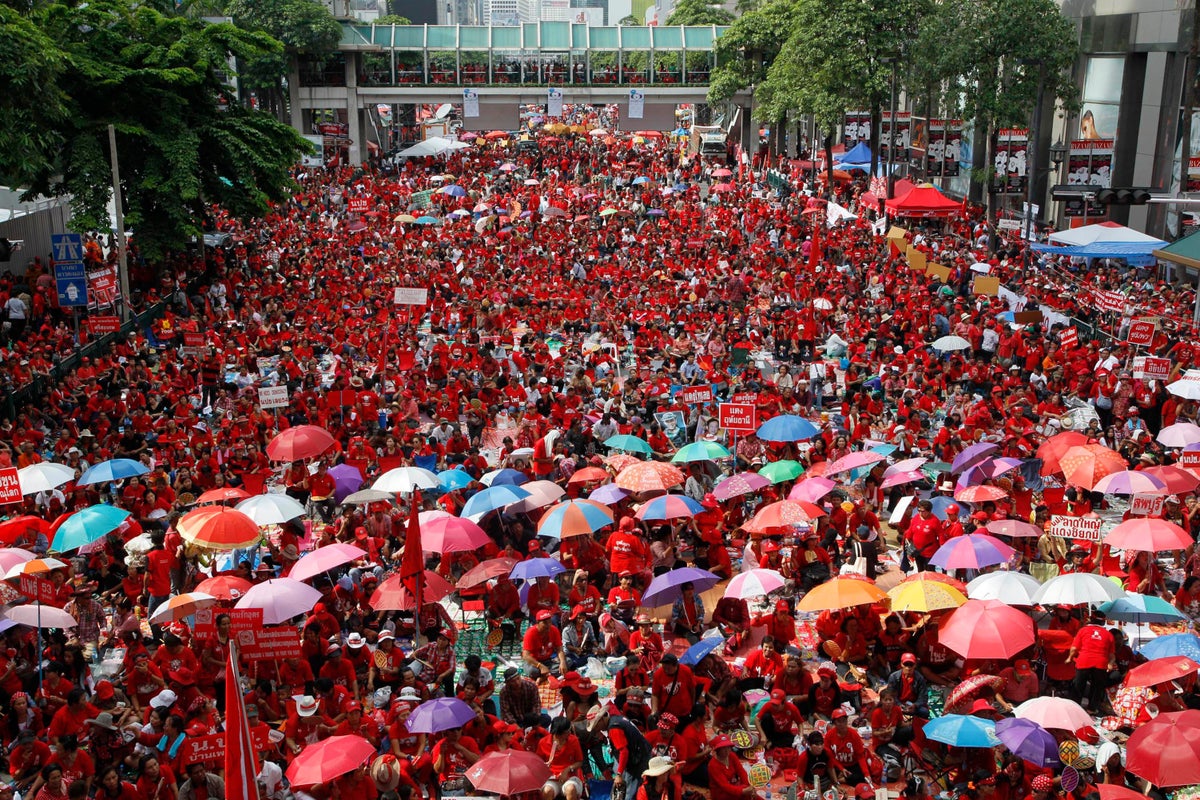
Thailand Enacts Political Amnesty Law Excluding Lese Majeste Offenses
Thailand has officially implemented a new amnesty law covering political offenses committed over the last twenty years. The legislation notably excludes crimes related to the country's lese majeste laws, which prohibit insulting the monarchy.
A new political amnesty law has officially taken effect in Thailand, aimed at resolving legal cases stemming from two decades of political unrest. The measure is intended to provide relief to individuals involved in various political activities and protests that have occurred since the early 2000s. By clearing the records of those charged with minor political offenses, the government seeks to foster national reconciliation after years of deep polarization.
However, the scope of the amnesty is limited. The legislation explicitly excludes any offenses related to lese majeste, the strict laws that criminalize criticism or defamation of the Thai monarchy. This exclusion remains a significant point of contention, as many activists and political figures currently face charges under these specific statutes. Critics of the law argue that by omitting lese majeste cases, the government has failed to address the root causes of the country's ongoing political tensions. Supporters of the measure, meanwhile, emphasize that the amnesty is a necessary step toward stability, even if it does not cover every category of political dissent. The implementation of this law marks a notable shift in the country's legal landscape, though its impact on long-term political reconciliation remains to be seen.
📡 Media Analysis
How each outlet framed the story — angles, word choices, and what they chose to push or ignore.
Focused on the immediate legal change while highlighting the controversial exclusion of monarchy-related crimes.
"excludes lese majeste"
⚡ Where Sources Disagree
- ·Whether the amnesty is a genuine effort at reconciliation or a selective measure designed to protect the status quo.
🔍 What Nobody's Reporting
- ·Lack of specific data on how many individuals are expected to benefit from the amnesty.
- ·Absence of government statements explaining the rationale for the specific exclusion of lese majeste cases.
📰 Sources
0 A-rated source(s) among 1 total. Lowest trust: The Independent (B)