
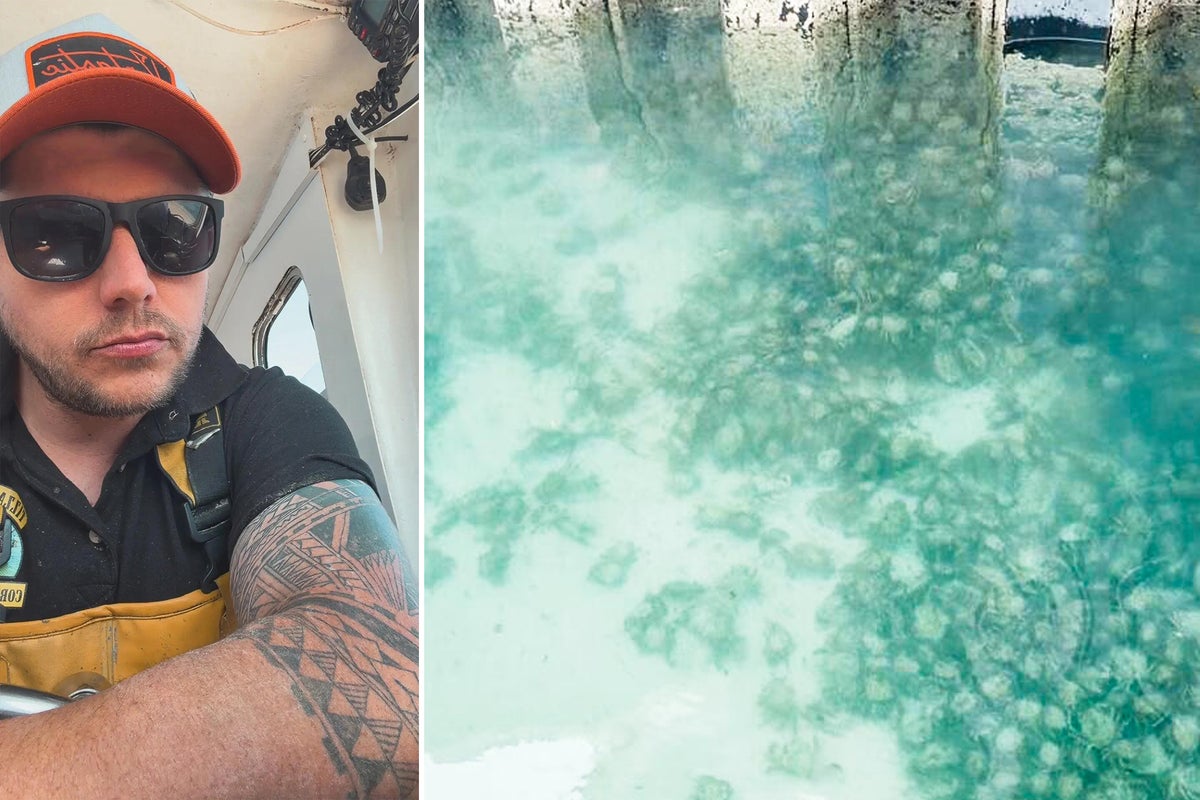
Thousands of spider crabs gather in Cornwall harbour for annual migration
Thousands of spider crabs have congregated in a Cornwall harbour, creating a notable visual spectacle for local residents and boaters. This gathering is part of an annual migration event that occurs in the region.
A significant number of spider crabs have been observed in a Cornwall harbour, an event described by witnesses as an unusual and dense gathering of marine life. Local boaters, including Daniel Gilbert, reported encountering the crustaceans while navigating the waters, noting the sheer scale of the migration.
While the sight has been characterized by some observers as 'creepy' due to the density of the crabs, marine biologists generally view this as a standard annual occurrence. These spider crabs typically move into shallower coastal waters during the summer months to molt their shells, which leaves them vulnerable to predators. The gathering is a natural part of their life cycle, though the high concentration of crabs in a confined harbour space often draws public attention and surprise from those who do not encounter them regularly.
There is no indication that the crabs pose a threat to human activity or the structural integrity of the harbour. The event serves as a reminder of the local marine biodiversity, though the specific timing and density of the crabs can vary from year to year based on water temperature and environmental conditions. Local authorities have not issued any warnings, as the migration is considered a routine biological phenomenon rather than an ecological emergency.
📡 Media Analysis
How each outlet framed the story — angles, word choices, and what they chose to push or ignore.
Focused on the sensational and 'creepy' visual nature of the event to drive engagement.
"astonishing sight"
✓ Only outlet to report: Identified a specific witness, Daniel Gilbert, who encountered the crabs while on his boat.
🔍 What Nobody's Reporting
- ·Lack of expert commentary from marine biologists to explain the ecological necessity of the molting process.
- ·Absence of historical data to clarify if this year's 'overrun' is statistically larger than previous years.
📰 Sources
0 A-rated source(s) among 1 total. Lowest trust: The Independent (B)