
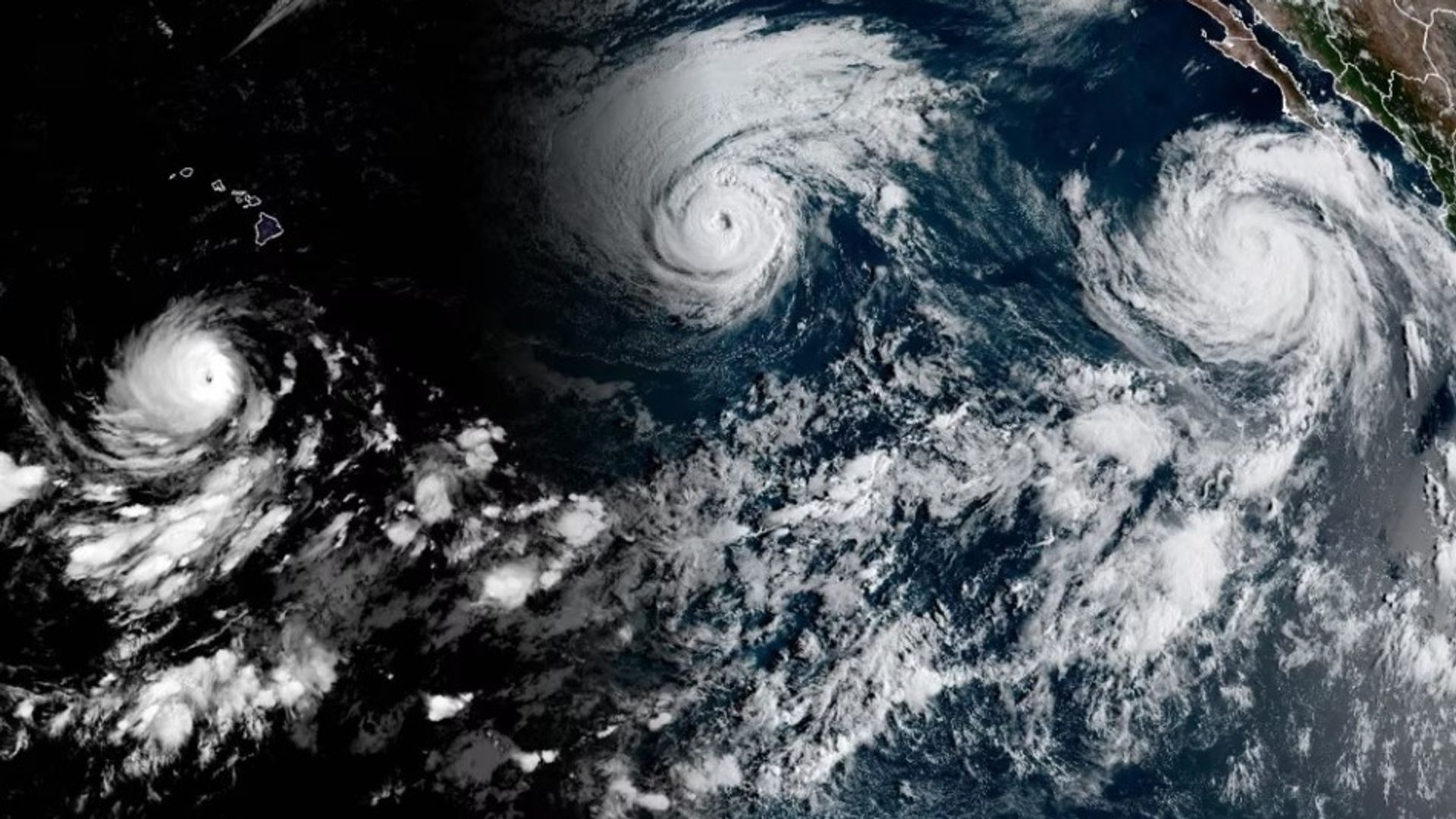
Three simultaneous hurricanes in the Pacific linked to El Niño conditions
Three hurricanes are currently active in the Pacific Ocean, a phenomenon meteorologists attribute to the influence of El Niño. This weather pattern is known for creating conditions that favor increased tropical storm activity in the region.
Meteorologists are currently tracking three hurricanes churning simultaneously across the Pacific Ocean. The rare occurrence of three major storms active at once is being cited by weather experts as a clear indicator of the current El Niño climate pattern. El Niño, characterized by warmer-than-average sea surface temperatures in the central and eastern Pacific, provides the necessary energy and atmospheric conditions to fuel more frequent and intense tropical cyclone development.
While the presence of multiple storms is notable, experts note that it aligns with historical data regarding how El Niño influences Pacific weather systems. The phenomenon typically shifts wind patterns and ocean temperatures, which can reduce wind shear—a factor that usually disrupts storm formation—thereby allowing multiple systems to strengthen concurrently. As these storms continue to move across the Pacific, authorities are monitoring their paths to determine potential impacts on coastal regions or maritime traffic. The situation highlights the broader impact of global climate cycles on extreme weather events, serving as a reminder of the volatility associated with current oceanic conditions.
📡 Media Analysis
How each outlet framed the story — angles, word choices, and what they chose to push or ignore.
Focused on the direct link between the storms and the El Niño climate phenomenon.
"elevated activity"
🔍 What Nobody's Reporting
- ·Lack of specific locations or projected paths for the three hurricanes.
- ·Absence of information regarding potential landfall risks or human impact.
- ·No mention of the specific names or categories of the three storms.
📰 Sources
0 A-rated source(s) among 1 total. Lowest trust: Sky News World (B)