
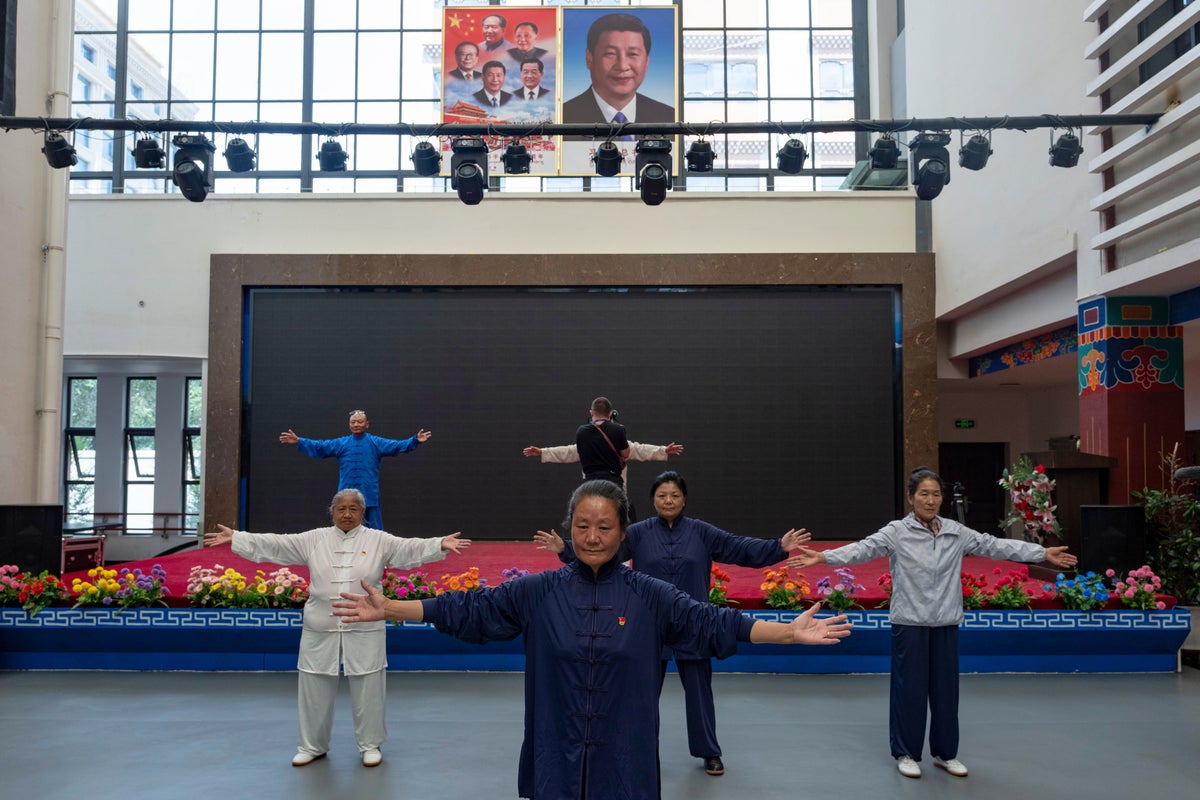
Tibetans pursue native language literacy amid China's new ethnic unity regulations
Despite the implementation of China's 'ethnic unity' laws, some Tibetan citizens are actively seeking to learn written Tibetan. This trend highlights a personal effort to preserve cultural identity within a restrictive legal environment.
In Tibet, a movement toward preserving the native Tibetan language is emerging among some residents, even as the Chinese government enforces new 'ethnic unity' laws. These regulations are widely viewed by international observers as part of a broader effort to promote national integration and standardize the use of Mandarin Chinese across all regions.
Reports indicate that individuals, including elderly citizens who previously only spoke the language, are now enrolling in courses to learn how to read and write Tibetan. For many, this is a deliberate act of cultural preservation. The Independent highlights the story of a 73-year-old retired nurse who, after a lifetime of speaking her native tongue, has begun formal studies to achieve literacy in her own language.
While the Chinese government frames these policies as essential for social cohesion and economic opportunity, critics argue that such laws effectively marginalize minority languages and threaten the long-term survival of Tibetan culture. The tension lies between the state’s push for a unified national identity and the desire of local populations to maintain their distinct linguistic heritage. While the state emphasizes the benefits of Mandarin proficiency, these individuals are prioritizing the written form of their native language as a means of maintaining their connection to their history and community.
📡 Media Analysis
How each outlet framed the story — angles, word choices, and what they chose to push or ignore.
Focused on the personal, human-interest aspect of cultural resistance to state policy.
"sweeping new 'ethnic unity' law"
✓ Only outlet to report: The specific anecdote of a 73-year-old retired nurse learning to write Tibetan for the first time.
⚡ Where Sources Disagree
- ·Whether the 'ethnic unity' laws are intended to foster national cohesion or to systematically erase minority cultural identities.
🔍 What Nobody's Reporting
- ·Lack of official government statements or data regarding the implementation and stated goals of the 'ethnic unity' law.
- ·Absence of perspectives from younger generations of Tibetans who may be navigating these language requirements in schools.
📰 Sources
0 A-rated source(s) among 1 total. Lowest trust: The Independent (B)