
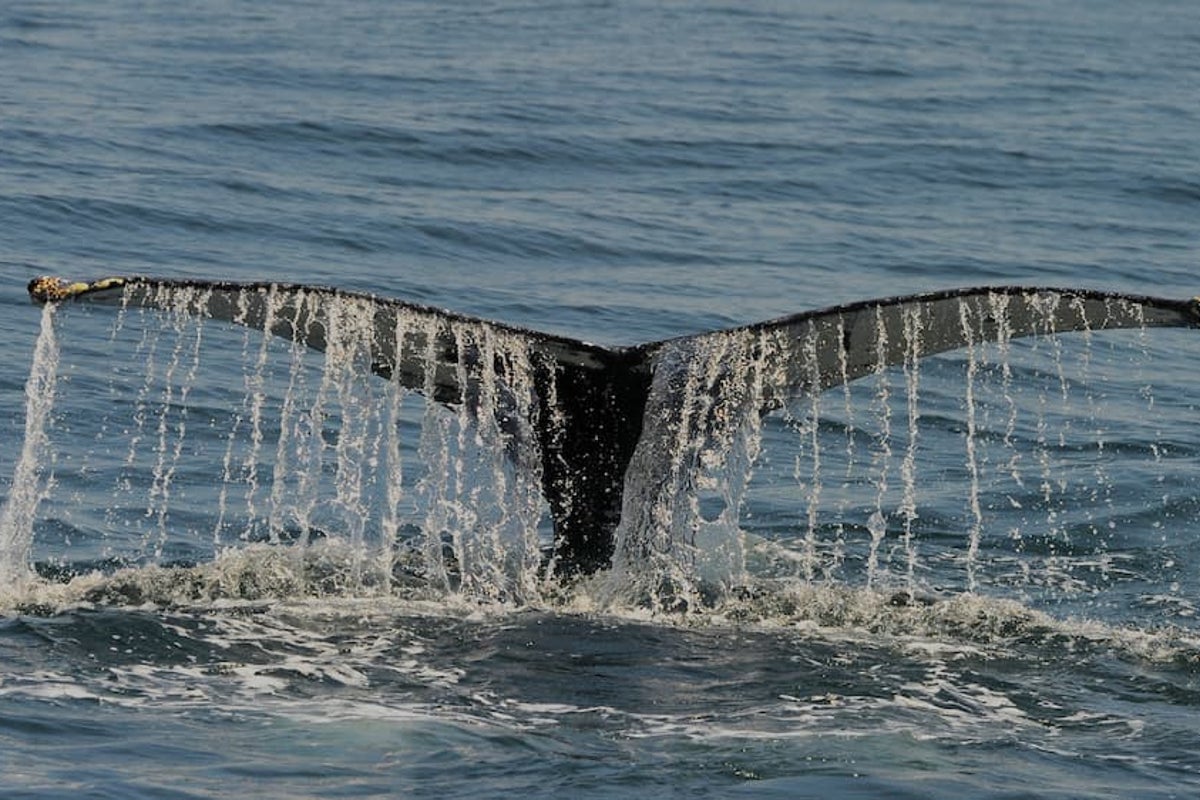
Tour Guides Document New Whale Behavior at Great Barrier Reef
Tour guides operating in the Great Barrier Reef have observed and documented previously unknown whale behaviors. These findings are now being used to help refine local regulations regarding human interaction with marine life.
Tour operators working within the Great Barrier Reef have reported observing whale behaviors that were previously undocumented by the scientific community. According to reports, these observations were significant enough to capture the attention of researchers and conservationists who study the region's marine ecosystem.
The discovery has prompted a review of existing maritime policies. Authorities are currently utilizing this new data to strengthen the legal framework governing how tourist vessels and individuals interact with whales in the area. The goal of these updated laws is to ensure that human presence does not disrupt the natural behaviors or safety of the whale populations.
While the specific nature of the behavior remains a subject of ongoing study, the collaboration between tourism professionals and marine scientists highlights the role that non-experts can play in environmental monitoring. By documenting these interactions, tour guides have provided researchers with a new set of data points that were previously unavailable. This information is now being integrated into management strategies to better protect the reef's biodiversity while maintaining the viability of the local tourism industry.
📡 Media Analysis
How each outlet framed the story — angles, word choices, and what they chose to push or ignore.
Focused on the positive contribution of tourism workers to scientific conservation efforts.
"‘Not even scientists knew what it meant’"
✓ Only outlet to report: Reported that the discovery is directly influencing the strengthening of local interaction laws.
🔍 What Nobody's Reporting
- ·Lack of specific details regarding what the whale behavior actually entails.
- ·No input from marine biologists or government regulators to verify the scientific impact of the findings.
- ·Absence of information regarding the specific changes being made to the interaction laws.
📰 Sources
0 A-rated source(s) among 1 total. Lowest trust: The Independent (B)