
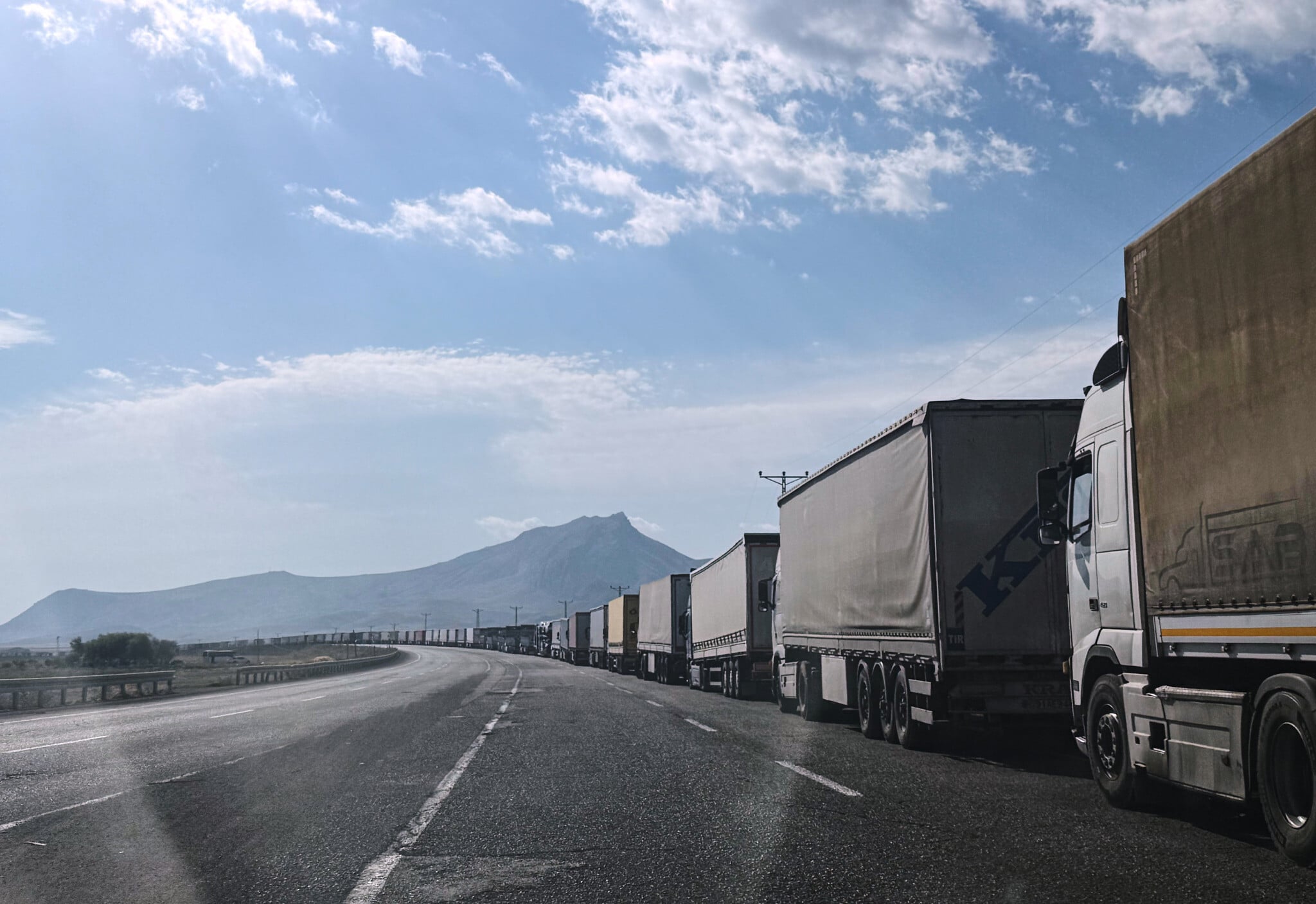
Truck Congestion Increases at Turkey-Iran Border Crossing
Hundreds of commercial trucks are experiencing multi-day delays at the Gurbulak border crossing between Turkey and Iran. The congestion follows a reported shift in trade routes as maritime shipping to Iran faces increased pressure from U.S. sanctions.
The Gurbulak border crossing, a primary transit point between Turkey and Iran, is currently experiencing significant logistical bottlenecks. Reports indicate that hundreds of truck drivers are facing wait times spanning several days to complete the transit process. This surge in overland traffic is attributed to a broader shift in regional logistics, as commercial entities seek alternatives to maritime shipping routes into Iran.
The Times of Israel reports that the congestion is a direct consequence of U.S. policies that have effectively blocked Iranian sea ports, forcing trade to move by road. While the physical bottleneck at the border is confirmed, the exact volume of the increase in haulage remains difficult to quantify due to the lack of official government data from either Turkey or Iran regarding the specific impact of the sanctions on this land route. The situation highlights the ongoing tension between international trade requirements and the enforcement of U.S. economic sanctions, which continue to reshape how goods enter and exit the Iranian market. As of now, there is no indication of when the backlog at the Gurbulak crossing might be cleared, leaving many drivers in a state of uncertainty as they wait to move their cargo across the border.
📡 Media Analysis
How each outlet framed the story — angles, word choices, and what they chose to push or ignore.
Framed the border delay as a direct, predictable consequence of U.S. foreign policy.
"US blockade pushes trade overland"
✓ Only outlet to report: Identified the specific cause of the shift as the blocking of Iranian sea ports.
🔍 What Nobody's Reporting
- ·Lack of official comment or data from Turkish or Iranian border authorities.
- ·No information regarding the specific types of goods being delayed or the economic impact on the drivers.
📰 Sources
0 A-rated source(s) among 1 total. Lowest trust: Times of Israel (B)