
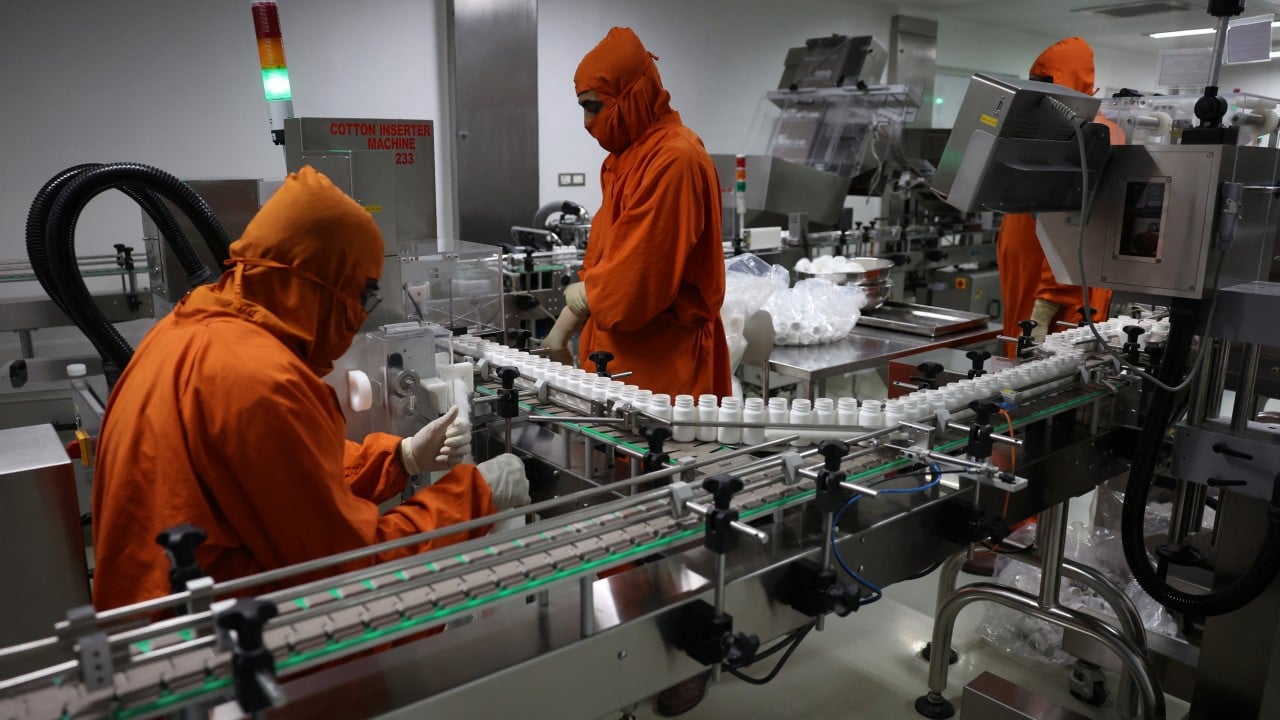
Trump administration proposes steep tariffs on imported generic drugs by 2028
President Trump has announced plans to impose 100% tariffs on generic drug imports starting in 2028, with rates doubling to 200% the following year. The policy aims to incentivize domestic pharmaceutical manufacturing but threatens India’s position as a primary global supplier.
Market Narrative Detected
The narrative suggests a pivot toward 'onshoring' critical healthcare infrastructure, which benefits domestic U.S. pharmaceutical firms while potentially creating a supply shock for generic providers. Investors in U.S. manufacturing stand to gain if the market believes these tariffs will effectively force production back to American soil.
President Donald Trump has outlined a significant shift in U.S. trade policy regarding pharmaceuticals, announcing a plan to levy heavy tariffs on generic drugs imported into the United States. According to the proposal, a 100% tariff will be applied to these imports beginning in August 2028, followed by an increase to 200% one year later.
This move is intended to encourage the relocation of pharmaceutical production to the United States, reducing reliance on foreign supply chains. India, currently known as the "pharmacy of the world" due to its massive generic drug export industry, faces the most direct impact. Analysts suggest that these tariffs could undermine the export-driven economic model that has allowed India to become a critical supplier of affordable medicines to the U.S. market. While the administration frames this as a necessary step for national health security and domestic industry growth, the policy creates significant uncertainty for global healthcare costs and the stability of generic medicine supplies.
📡 Media Analysis
How each outlet framed the story — angles, word choices, and what they chose to push or ignore.
Focused on the potential disruption to India's economy and the global generic drug supply chain.
"threatening the low-cost, export-driven model"
🔍 What Nobody's Reporting
- ·Lack of perspective from U.S.-based pharmaceutical manufacturers on their capacity to absorb this demand.
- ·No analysis of the potential impact on U.S. consumer drug prices.
- ·Absence of comment from the Indian government or trade representatives.
📰 Sources
0 A-rated source(s) among 1 total. Lowest trust: SCMP (B)