
Trump Administration Releases New Frameworks for AI Testing and Trade Policy
The Trump administration has introduced new initiatives concerning international trade tariffs and a federal framework for evaluating cybersecurity risks in advanced artificial intelligence. While the trade strategy emphasizes protectionist measures, the AI policy focuses on voluntary safety testing that specifically excludes open-source models.
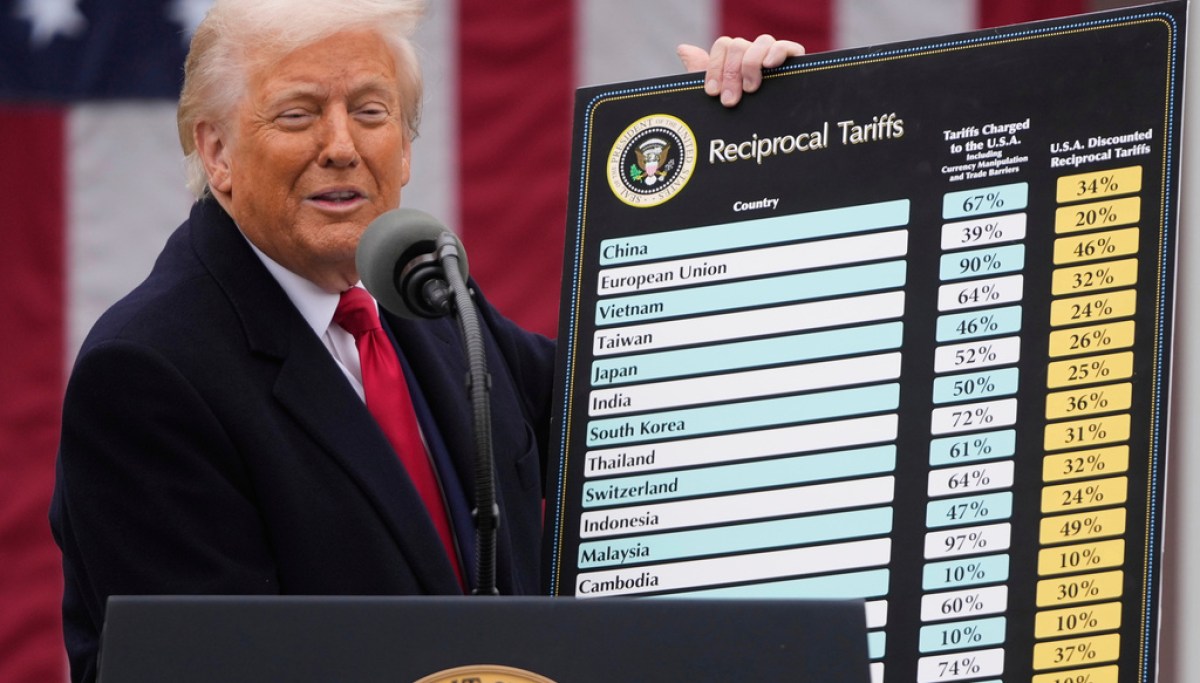
The Trump administration is currently advancing two distinct policy agendas: a renewed focus on tariff-based trade strategies and a new framework for assessing the security of advanced artificial intelligence. Regarding trade, reports indicate the administration is exploring a 'Plan B' approach to tariffs, drawing historical comparisons to the 1930 Smoot-Hawley Tariff Act to address current economic and ideological objectives.
Simultaneously, the administration has unveiled a framework for testing frontier AI models for cybersecurity risks. This policy, stemming from a June executive order, requires AI companies to share their models with the federal government for safety evaluations. However, the scope of this testing is a point of divergence in reporting. The Verge notes that the guidelines are voluntary and explicitly exclude open-source AI models. According to these reports, the framework states that it cannot be used to restrict or regulate open models once they have been made available for public inspection. Conversely, the Washington Examiner’s coverage focuses on the broader ideological shift toward protectionism, framing the tariff strategy as a significant departure from previous trade norms. While the administration presents these AI guidelines as a safety measure, critics suggest the exclusion of open models limits the framework's overall effectiveness in addressing potential security threats.
📡 Media Analysis
How each outlet framed the story — angles, word choices, and what they chose to push or ignore.
Framed the tariff strategy as a necessary ideological pivot by referencing historical protectionism.
"Plan B"
✓ Only outlet to report: Provided historical context by referencing the 1930 Smoot-Hawley Tariff Act.
Focused on the technical limitations and perceived lack of rigor in the AI testing guidelines.
"limited and vague"
✓ Only outlet to report: Reported that the AI framework explicitly prohibits the restriction of open-source models.
⚡ Where Sources Disagree
- ·The effectiveness of the AI framework: The Verge characterizes it as 'limited and vague,' whereas the administration's framing implies a structured, deliberate approach.
🔍 What Nobody's Reporting
- ·Lack of specific details on the actual 'Plan B' tariff mechanisms beyond the historical comparison.
- ·Absence of industry or expert reaction to the new AI testing requirements.
📰 Sources
0 A-rated source(s) among 2 total. Lowest trust: Washington Examiner (C)