
Trump’s Calls for Increased Defense Spending Among Asia-Pacific Allies Spark Strategic Debate
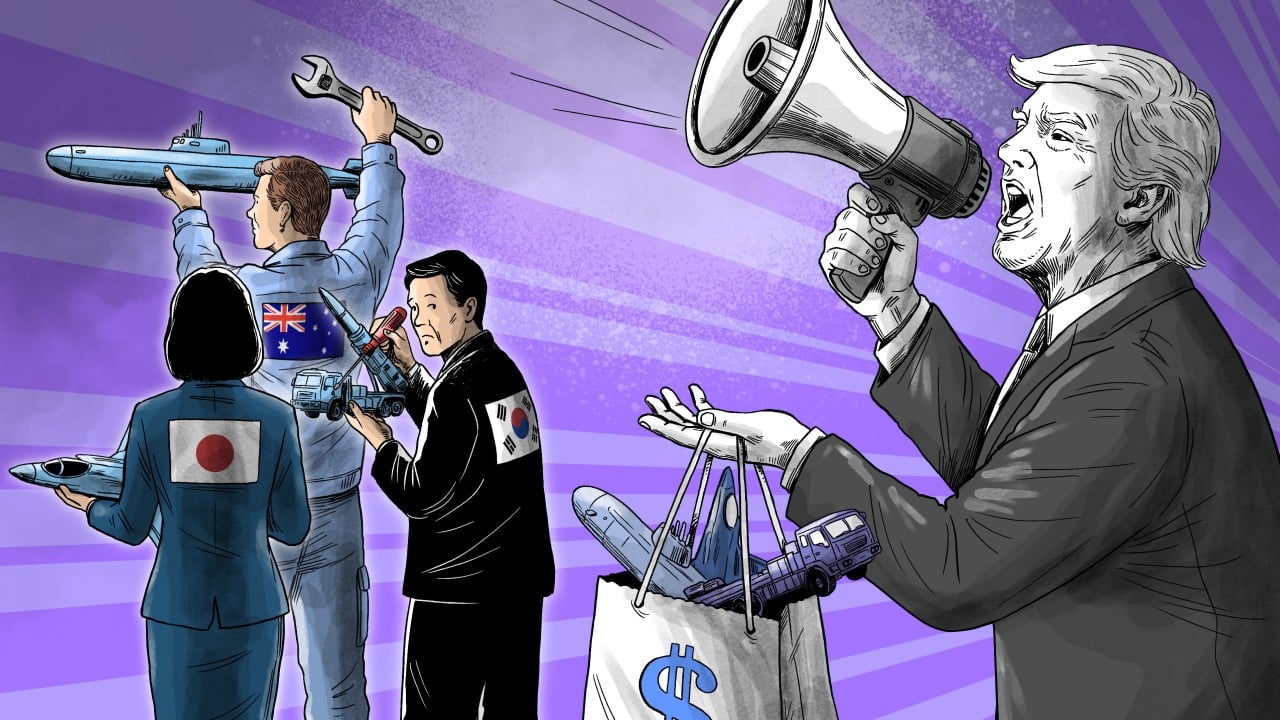
Donald Trump’s push for Asia-Pacific allies to increase their defense spending has prompted regional nations to prioritize domestic military production. Analysts suggest this shift could bolster regional autonomy while potentially challenging the United States' long-standing dominance in the global arms market.
Donald Trump has consistently advocated for allies in the Asia-Pacific region to shoulder a larger portion of their own defense costs. This policy stance has created a complex ripple effect, as nations like Japan, South Korea, and others weigh the necessity of self-reliance against their traditional security partnerships with the United States.
According to reporting by the South China Morning Post, these demands have led to a renewed focus on regional defense industrialization. As these countries invest more heavily in their own military capabilities to deter threats from actors such as China and North Korea, the long-term impact on U.S. influence remains a subject of debate. While the U.S. has historically maintained a central role in regional security, analysts suggest that the growth of local defense industries could eventually diminish American dominance in the global arms trade.
There is a notable tension between the desire for regional stability and the potential for a diminished U.S. footprint. Some experts argue that if allies become more self-sufficient, the U.S. may lose the leverage it currently holds through its role as the primary security guarantor. Conversely, proponents of the policy argue that increased spending by allies is a necessary evolution to ensure the region can withstand modern security challenges without relying solely on American resources. The discourse highlights a shift in how these nations perceive the reliability of U.S. commitments, leading to a strategic pivot that prioritizes domestic military growth over total dependence on Washington.
📡 Media Analysis
How each outlet framed the story — angles, word choices, and what they chose to push or ignore.
Focused on the long-term geopolitical and economic consequences of shifting defense burdens.
"may backfire on US"
🔍 What Nobody's Reporting
- ·Lack of specific responses or official statements from the governments of the affected Asia-Pacific nations.
- ·Absence of data regarding current defense spending levels versus the requested increases.
📰 Sources
0 A-rated source(s) among 1 total. Lowest trust: SCMP (B)