
U.S. and Canada Impose Reciprocal Tariffs Following Failed Trade Negotiations
Trade talks between the U.S. and Canada have collapsed, resulting in the U.S. implementing 50% tariffs on $20 billion of Canadian goods. In response, Canada has announced retaliatory tariffs against the United States.
Market Narrative Detected
The media is framing this as a binary 'good vs. bad' deal narrative to simplify a complex geopolitical dispute for domestic audiences. This benefits political leaders who need to project strength to their voter bases during trade negotiations.
Trade negotiations between the United States and Canada ended without an agreement on Friday in Washington, leading to an immediate escalation in trade tensions. Following the breakdown of talks, the United States implemented 50% tariffs on approximately $20 billion worth of Canadian imports, which accounts for roughly 5.5% of Canada's total exports to the U.S. The affected goods include a wide range of products, notably including hockey equipment.
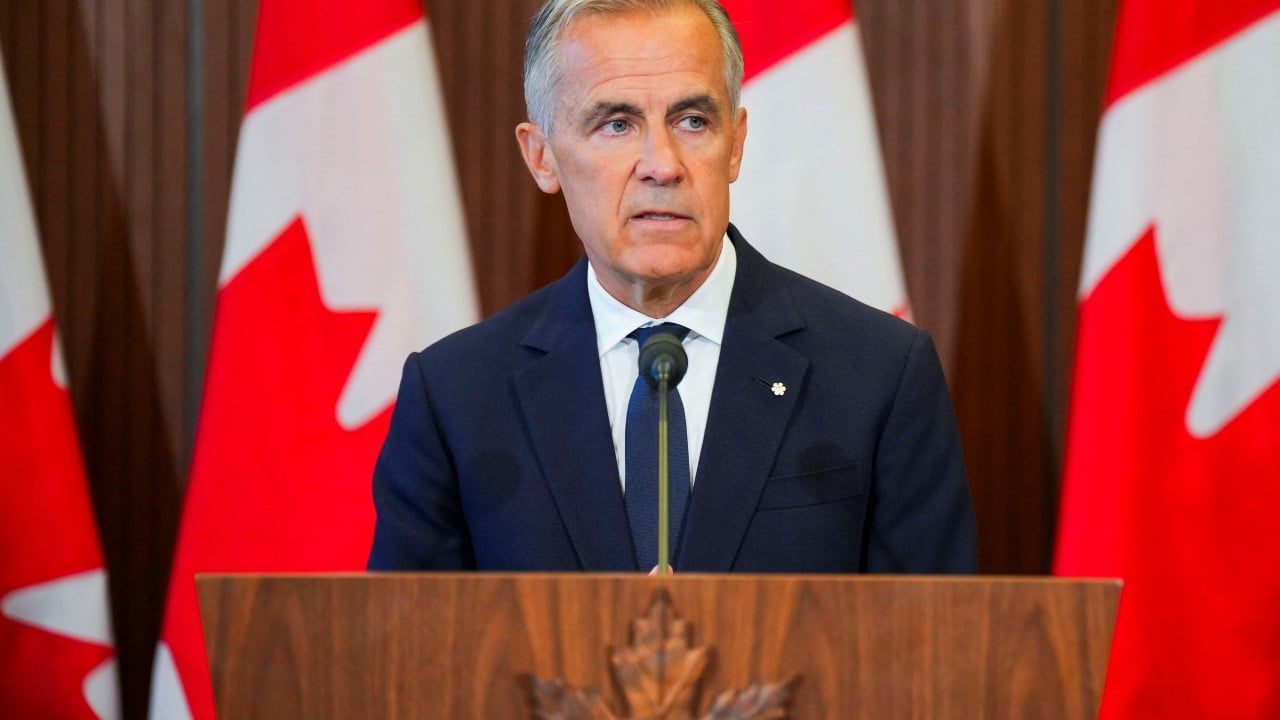
The two sides offer conflicting accounts regarding the failure of the negotiations. Jamieson Greer, the U.S. trade chief, stated that Canada chose to walk away from what he described as "the best deal" available. Conversely, Canadian Prime Minister Mark Carney characterized the proposed agreement as a "bad deal," justifying Canada's decision to exit the talks.
Following the U.S. action, Prime Minister Carney announced that Canada would impose retaliatory tariffs on U.S. goods. Currently, there are no scheduled plans for the two nations to resume formal trade discussions. The situation marks a significant deterioration in the economic relationship between the two long-time allies, with both governments signaling a willingness to engage in a protectionist trade dispute rather than compromise on the terms presented.
📡 Media Analysis
How each outlet framed the story — angles, word choices, and what they chose to push or ignore.
Focused exclusively on the U.S. perspective, framing Canada as the party responsible for the breakdown.
"Canada walked away from 'the best deal'"
✓ Only outlet to report: Reported that there are currently no new talks planned.
Presented the conflict as a mutual failure, highlighting the retaliatory nature of the Canadian response.
"Canada’s PM hits back"
✓ Only outlet to report: Provided specific context on the economic scale, noting the tariffs affect 5.5% of Canadian exports.
⚡ Where Sources Disagree
- ·The characterization of the proposed trade agreement: U.S. officials call it 'the best deal,' while Canadian officials call it a 'bad deal.'
🔍 What Nobody's Reporting
- ·Lack of detail on which specific U.S. goods are being targeted by Canadian retaliatory tariffs.
- ·No analysis of the potential inflationary impact on consumers in either country due to these tariffs.